Expedited Review Sought for New Higher-Dose Obesity Treatment
Novo Nordisk Utilizes Priority Voucher to Fast-Track Semaglutide 7.2 mg Application Review
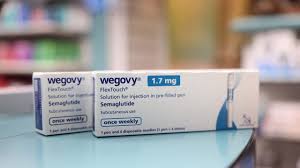
A pharmaceutical corporation has submitted a supplemental application for a higher dose semaglutide injectable (7.2 mg) to the U.S. Food and Drug Administration (FDA). The new dosage is intended for chronic weight management in adults with obesity, to be used as an adjunct to a reduced-calorie diet and increased physical activity.
To accelerate the regulatory process, the company chose to use a Commissioner’s National Priority Review Voucher (CNPV) obtained from the FDA. The utilization of this priority voucher is expected to drastically reduce the review period from the typical 10-12 months to just 1-2 months following the FDA’s acceptance of the application.
A senior vice president from the company’s clinical development, medical, and regulatory affairs unit expressed optimism, highlighting the submission under the FDA’s expedited review program as an exciting step forward. If approved, semaglutide 7.2 mg would offer patients and healthcare professionals a new option with the potential for greater weight loss, further underscoring the efficacy of the semaglutide molecule within the obesity treatment community.
Phase III Trial Data:
The supplemental New Drug Application (sNDA) incorporates results from the Phase III clinical trial known as STEP UP. This was a randomized, double-blind, placebo- and active-controlled superiority trial designed to evaluate the efficacy and safety of once-weekly semaglutide 7.2 mg injectable, combined with lifestyle intervention.
-
Primary Objectives included demonstrating the superiority of the 7.2 mg dose against placebo regarding the percentage change in body weight, along with the proportion of participants achieving weight loss of 5% or greater.
-
Efficacy Findings: The trial successfully demonstrated the efficacy of semaglutide 7.2 mg in achieving significant weight reduction compared to both placebo and the 2.4 mg dose.
-
Safety Profile: Gastrointestinal adverse events were reported more frequently with semaglutide 7.2 mg compared to the 2.4 mg dose or placebo. Conversely, serious adverse events were less common in the 7.2 mg group (6.8%) than in the 2.4 mg group (10.9%).
-
Other Details: The study spanned 72 weeks and involved 1,407 adults with obesity, excluding patients with diabetes. Confirmatory secondary endpoints measured the proportion of participants reaching greater than or equal to 10%, 15%, 20%, and 25% weight loss compared to the placebo group.
The 7.2 mg dose was among the first 15 drugs included in the FDA’s Commissioner’s Priority Review pilot program, which allowed the company to obtain the voucher used to fast-track the approval process.