Monday, April 6, 2026
Home Blog Page 2

Biopharma Firm Finalizes Takeover of French Immuno-Oncology Specialist

0

The international biopharmaceutical corporation, Ipsen, successfully concluded its purchase of ImCheck Therapeutics on December 15, 2025, in Paris, France.

This deal formally incorporates the French, privately held biotechnology entity into Ipsen’s operations. ImCheck Therapeutics is recognized for its work in developing innovative, next-generation immunotherapies aimed at treating cancer.

The completion of this corporate action strategically strengthens Ipsen’s existing drug development programs in the field of oncology.

Ipsen functions as a global biopharmaceutical company focusing on three primary therapeutic areas: Oncology, Rare Disease, and Neuroscience. The corporation maintains a presence in over 40 countries, with global hubs in the U.S., France, and the U.K., and provides medicines to patients in more than 100 countries.

Source: https://uk.finance.yahoo.com/news/ipsen-completes-acquisition-imcheck-therapeutics-163000808.html

Pharmaceutical Company Declares Highest-Ever Cash Dividend Payout

0

Hai Phong Pharmaceutical Joint Stock Company (stock code: DPH) has announced its plan to pay a cash dividend for the 2025 financial year.

According to the announcement, the record date for final shareholder registration is January 6, with the payment date scheduled for January 20, 2026. The distribution rate is set at 20% per share, equivalent to VND 2,000 per share. It is estimated that the company will allocate about VND 6 billion for this payment round.

This interim dividend rate aligns with the plan approved at the 2025 Annual General Meeting of Shareholders and represents the highest payout ratio in DPH’s operating history.

DPH has consistently paid cash dividends to its shareholders between 2017 and 2025. In the two most recent years (2024 and 2025), the payment rate was 17%, while in 2020, 2022, and 2023, the rate was 15% annually.

On the stock market, DPH’s share price closed the session on December 15 unchanged at the reference price of VND 43,100 per share due to a lack of transactions. This price level is the lowest in over a year for the company, reflecting a 35% drop from its historical peak of VND 66,000 recorded in July 2025.

The liquidity of DPH’s shares is generally low, suggesting a relatively concentrated shareholder structure. The largest shareholders include Mr. Tran Van Huyen, General Director and Vice Chairman of the Board of Directors, who holds 57.72% of the charter capital; Hai Phong Pharmaceutical Co., Ltd. owns 11.67%; and Mr. Le Ngoc Duc holds 6.48%.

Source: https://cafef.vn/mot-doanh-nghiep-duoc-pham-chot-tra-co-tuc-ky-luc-bang-tien-mat-188251215153540313.chn

Vietnamese Healthcare Facility Deploys New Generation Diagnostic Imaging Equipment

0

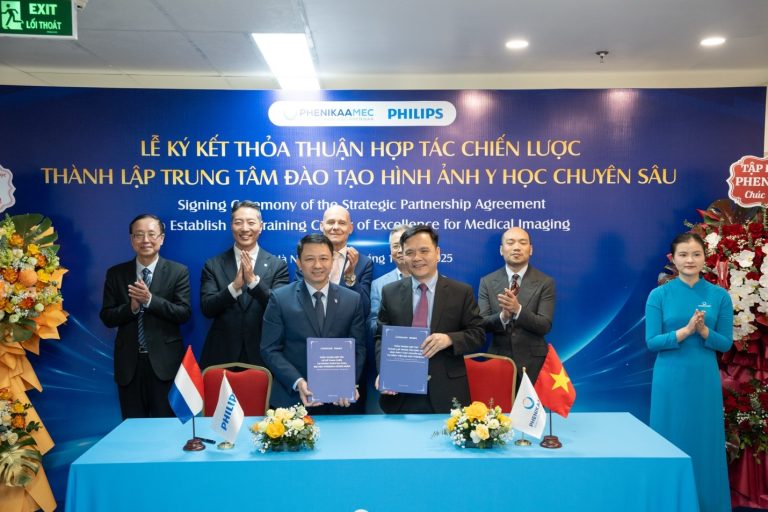
Phenikaa University Hospital (PhenikaaMec) has officially commissioned the Philips Ingenia Elition X 3 Tesla Magnetic Resonance Imaging (MRI) system. This is an advanced MRI machine utilizing a strong magnetic field, which is highlighted for its ability to shorten scanning time and produce high-quality, detailed-resolution images.

This equipment is expected to improve accuracy and the capability for early detection of challenging health conditions across several medical specialties, including neurology, cardiology, musculoskeletal disorders, and oncology.

Regarding the patient experience, the system also offers benefits such as reduced noise, quicker examination times, and increased comfort during the procedure. This investment underscores PhenikaaMec’s commitment to applying advanced technology, upgrading the quality of healthcare services, and moving towards international standards in the field of diagnostic imaging.

As a member of the Phenikaa Healthcare ecosystem, Phenikaa University Hospital was developed by Phenikaa Group as an international standard academic medical system. The hospital’s model focuses on the synchronized combination of treatment, personnel training, and scientific research activities according to global benchmarks.

Currently, the facility spans a floor area of nearly 90,000 square meters with a maximum capacity of over 600 patient beds. The hospital operates 29 specialized clinical centers and departments, such as Oncology, Cardiology, Genetics, and Fetal Medicine. The human resource team comprises over 300 leading experts (professors, associate professors, PhDs, doctors) along with over 700 highly skilled nurses and technicians, ensuring service for over 1,000 outpatient visits daily.

Commenting on the event, His Excellency Kees van Baar, Ambassador of the Kingdom of the Netherlands to Vietnam, emphasized that this is evidence of the successful economic partnership between the two nations. He expressed his belief that the event would open up many collaboration prospects between Phenikaa Group and Dutch high-tech companies, making a practical contribution to the advancement of Vietnam’s healthcare sector.

Source: https://suckhoedoisong.vn/phenikaamec-ra-mat-trung-tam-dao-tao-y-hoc-chuyen-sau-ung-dung-ai-169251215204102333.htm

Sanofi Signs Potential $1 Billion Deal for Alzheimer’s Antibody Asset

0

Sanofi has entered into a licensing agreement with Adel, a clinical-stage biotech based in Seoul, South Korea, for the development and commercialization of an antibody therapy targeting Alzheimer’s disease. The total deal value could potentially reach over $1 billion.

Under the announced terms, Sanofi will provide an upfront cash payment of $80 million to Adel. The total transaction value may reach up to $1.04 billion, plus future royalties on sales.

In exchange, Sanofi secures exclusive global rights to Adel’s antibody therapy coded ADEL-Y01, along with access to related backup compounds. The partners view ADEL-Y01 as holding “first-in-class” potential for Alzheimer’s treatment.

About the ADEL-Y01 Therapy:

  • It is a humanized monoclonal antibody designed to selectively target tau protein acetylated at lysine-280 (acK280).

  • The tau protein is a critical factor in Alzheimer’s and other neurodegenerative conditions.

  • The antibody is engineered to halt the aggregation and spread of toxic tau while preserving the function of normal microtubule-associated tau.

  • ADEL-Y01 is currently being assessed in an ongoing global Phase 1 trial.

This agreement marks Sanofi’s second reported deal of the day, following the announcement of an expanded partnership with Dren Bio for an autoimmune disease therapy.

However, the same day also brought setbacks for Sanofi’s other pipeline assets: its investigational BTK inhibitor, tolebrutinib, for multiple sclerosis, faced an FDA delay in its decision timeline and missed the primary endpoint in a separate Phase 3 study for primary progressive MS (PPMS).

Source: https://www.fiercebiotech.com/biotech/sanofi-signs-1b-biobucks-pact-alzheimers-asset-2nd-biotech-deal-day

Alphyn Biologics Secures $25 Million in Series B Funding

0

Alphyn Biologics, a US-based biotechnology company, has successfully completed a Series B funding round, raising $25 million. The round was twice-oversubscribed and spearheaded by QCA Investment Group, with participation from both existing and new investors.

The proceeds from the financing are designated to support several key objectives:

  1. Supporting the global Phase IIb clinical trial for the company’s lead candidate, Zabalafin Hydrogel, targeting atopic dermatitis (AD).

  2. Initiating a second Phase II clinical program for the molluscum contagiosum virus (MCV).

  3. Expanding the supply of drug raw materials.

Zabalafin Hydrogel is being developed as a treatment that targets the interconnected drivers of AD, which include itch, inflammation, dry skin, and bacterial involvement. For AD, the hydrogel is specifically designed to treat the immuno-inflammatory component, pruritus, bacterial involvement, and xerosis.

The drug is also being investigated for its potential to address the virus, inflammation, itch, dermatitis, and bacterial infection associated with MCV. Alphyn suggests that, for MCV, the hydrogel could become the first direct antiviral drug that is both effective and safe, offering a new treatment option, particularly for pediatric patients.

The CEO of Alphyn Biologics thanked investors, stating that the financing reflects confidence in the company’s multi-target therapeutic drug platform. The company, which became operational in 2020, has now secured a total of $34 millionand is positioned to rapidly advance Zabalafin Hydrogel toward two pivotal Phase III trials.

Source: https://www.worldpharmaceuticals.net/news/alphyn-secures-25m-in-series-b-for-trial-of-zabalafin-hydrogel/

SOBI Agrees to Acquire Arthrosi Therapeutics

0

Swedish Orphan Biovitrum (SOBI) has reached an agreement to acquire Arthrosi Therapeutics Inc., a late-stage biotechnology company developing a highly potent and selective next-generation URAT1 inhibitor. This drug is intended to reduce serum urate (sUA) levels, mitigate flares, and dissolve tophi in patients with gout and tophaceous gout.

The total transaction value is estimated to be up to $1.5 billion, which comprises an upfront payment of $950 millionupon closing (subject to customary adjustments) and contingent consideration of up to $550 million. The acquisition is anticipated to close in the first half of 2026.

The acquisition strengthens SOBI’s gout treatment franchise by integrating pozdeutinurad (AR882). This investigational, once-daily oral URAT1 inhibitor is currently being evaluated in two fully enrolled global Phase 3 clinical studies for the potential management of progressive and tophaceous gout, with data expected to read out in 2026.

Pozdeutinurad has the potential to become the preferred therapy for patients with progressive gout whose persistent symptoms remain unresolved by first-line treatment. SOBI leadership believes the product has the capacity to materially accelerate the company’s growth through the mid-2030s and beyond.

Arthrosi Therapeutics expressed enthusiasm about joining forces with SOBI, trusting that SOBI’s global commercialization expertise will expedite their shared mission of delivering pozdeutinurad’s potentially transformative benefits to individuals living with gout.

Source: https://www.contractpharma.com/breaking-news/sobi-agrees-to-acquire-arthrosi-therapeutics/

Pharmaceutical Manufacturer Gaelic Labs Acquires Athlone Laboratories

0

Gaelic Laboratories, a pharmaceutical manufacturer specializing in Beta-Lactam (penicillin) products, has acquired Athlone Laboratories, a developer and manufacturer of oral dose Beta-Lactams. Both companies are based in Ireland and possess strong reputations within the Beta-Lactam antibiotics sector.

The acquisition is expected to bolster Gaelic Labs’ market position, enhance its manufacturing capabilities, and leverage supply chain efficiencies. The companies state that combining their complementary offerings will enable them to expand their product ranges and drive operational efficiencies. This move aligns with Gaelic Labs’ long-term strategy to establish itself as a leader in the production and distribution of generic Beta-Lactam medicines.

The General Manager of Gaelic Labs indicated that the deal is anticipated to yield significant financial and operational benefits, including cost savings via manufacturing consolidation, revenue growth, and increased regulatory advantages. Athlone is considered a key player in the Beta-Lactam supply chain, providing substantial operational synergies.

Gaelic Labs is committed to retaining the personnel at the Athlone site, including the current management team, to ensure operational continuity and a seamless transition for partners, suppliers, and customers. Athlone’s leadership will report to the General Manager of Gaelic Labs, who will have hierarchical oversight of both entities.

Following the acquisition, Gaelic Labs’ total workforce has more than doubled to approximately 120 people. The company is implementing transition programs to retain Athlone’s expertise. All existing product lines and customer contracts are expected to continue without disruption.

Source: https://www.contractpharma.com/breaking-news/gaelic-laboratories-acquires-athlone-laboratories/

Strategic Partnership Expanded Between Dren Bio and Sanofi for Next-Generation B-Cell Therapy

0

Dren Bio, a privately held, clinical-stage biotechnology company, announced an expanded strategic collaboration with Sanofi for the discovery and development of a next-generation B-cell depleting therapy intended for the treatment of various autoimmune diseases.

The new agreement builds upon the existing relationship established earlier this year when Sanofi acquired Dren Bio’s DR-0201 program (now known as SAR448501) for deep B-cell depletion. The DR-0201 program is currently in Phase 1 studies, demonstrating robust B-cell depletion with the potential to induce sustained, treatment-free remission in patients with autoimmune diseases.

This collaboration will further utilize Dren Bio’s proprietary Targeted Myeloid Engager and Phagocytosis Platform to discover “first-in-class” multispecific antibody therapeutics. The platform employs multispecific antibody technology designed to activate phagocytic mechanisms via a novel receptor selectively expressed on myeloid cells, aiming to deplete disease-causing agents with a potentially superior safety profile.

Financial and Partnership Details:

  • Upfront Payment: Dren Bio will receive an initial cash payment of $100 million.

  • Milestone Payments: The company is eligible to receive up to $1.7 billion in future development, regulatory, and commercial milestone payments.

  • Responsibilities: The companies will collaborate on discovery and preclinical development activities. Following the selection of a development candidate, Sanofi will assume subsequent responsibility for development, manufacturing, regulatory, and commercialization.

  • U.S. Co-Funding Option: Dren Bio retains an option to co-fund 40% of ongoing global development costs in exchange for U.S. co-promotion rights and a 50/50 share of U.S. profits and losses. Dren Bio will also remain eligible to receive milestones and tiered royalties on net sales outside the United States.

Dren Bio noted that the U.S. profit/loss share option represents an important milestone in its growth toward becoming a fully integrated biopharmaceutical company.

Source: https://www.businesswire.com/news/home/20251215349902/en/Dren-Bio-Expands-Strategic-Collaboration-with-Sanofi-to-Develop-Next-Generation-B-Cell-Depletion-Therapy

PARP Combination Therapy Expands Treatment Indication in Prostate Cancer

0

The U.S. Food and Drug Administration (FDA) has granted an expanded approval for a targeted combination therapy for patients with metastatic castration-sensitive prostate cancer (mCSPC) who harbor a BRCA2 gene mutation. This marks the first precision medicine approved specifically for this subset of patients.

The combination therapy is a dual-action tablet consisting of a PARP (poly-ADP ribose polymerase) inhibitor and an androgen-directed prostate cancer medication, used in conjunction with the corticosteroid prednisone to delay the progression of this aggressive form of prostate cancer.

The Phase 3 Amplitude study demonstrated that combining a PARP inhibitor with an androgen receptor pathway inhibitor could delay both radiographic and symptomatic disease progression in this patient population.

In the Amplitude trial, the new combination regimen, when added to androgen deprivation therapy (ADT), cut the risk of radiographic progression or death by 54% compared to the current standard of care (androgen-directed drug plus prednisone and ADT). The combination also extended the time to symptomatic progression by 59%.

Approximately 25% of mCSPC patients exhibit homologous recombination repair (HRR) gene alterations, including BRCA, which are linked to faster disease progression and poorer survival outcomes. While advances have been made in prostate cancer treatment, the company notes that nearly all patients eventually develop resistance to existing therapies, progressing to an incurable stage.

Exploratory analysis from the study indicated that the progression-free survival (PFS) benefit of the combination was notably larger in the BRCA-mutated subgroup, particularly in those with BRCA2 alterations. This narrowed approval mirrors the therapy’s initial nod in 2023 for BRCA-mutated metastatic castration-resistant prostate cancer (mCRPC)—a later disease stage.

The successful move into the earlier, castration-sensitive (mCSPC) treatment stage is a unique achievement among PARP inhibitors, strengthening the therapy’s position in the prostate cancer landscape.

Source: https://www.fiercepharma.com/pharma/jj-positions-its-parp-combo-akeega-new-prostate-cancer-subset-second-fda-nod

J&J Multiple Myeloma Drug Regimen Receives Proactive National Priority Review Voucher from the FDA

0

The U.S. Food and Drug Administration (FDA) has “proactively” awarded Johnson & Johnson (J&J) a Commissioner’s National Priority Voucher (CNPV) for a multiple myeloma combination therapy. This voucher speeds up the review process, targeting a decision one to two months following application submission, instead of the standard timeframe of up to 10 months.

The announcement follows the presentation of Phase 3 clinical trial results (MajesTEC-3) for the combination at the American Society of Hematology annual meeting. J&J, which had described the results as “unprecedented,” had already submitted an application for the two-drug combination intended for multiple myeloma patients who had received one to three prior lines of therapy.

FDA Commissioner, Dr. Martin Makary, stated that the FDA leadership read the study shortly after the results were published and proactively contacted the company about the CNPV because “When a treatment demonstrates outstanding trial results, we have a duty to patients to move swiftly.”

The MajesTEC-3 trial showed that the new combination regimen reduced the risk of death by 54% compared to traditional regimens. The progression-free survival (PFS) advantage of the new cocktail reached an impressive 83%. The overall survival (OS) curve for the combination suggests its potential as a functional cure for patients.

Analysts called the MajesTEC-3 results “exceptional.” However, a perceived weak point in the data was the exclusion of patients who were refractory to Darzalex, a drug that has become a standard first-line therapy. Analysts expressed concern that only 5% of the MajesTEC-3 patients had previously received Darzalex, potentially impacting the generalizability of the treatment’s efficacy to the refractory group.

The CNPV granted to J&J’s regimen is the 16th since the pilot program’s inception. The program prioritizes drugs aligning with U.S. national priorities, such as delivering innovative cures and supporting domestic drug manufacturing. Despite the priority status, questions have been raised regarding the legality of the initiative and the rigor of the FDA’s evaluation process for these drugs.

Source: https://www.fiercepharma.com/pharma/fda-proactively-awards-jj-national-priority-voucher-multiple-myeloma-drug-combo

Novel Combination Therapy Gains Initial Approval for Metastatic Breast Cancer Treatment

0

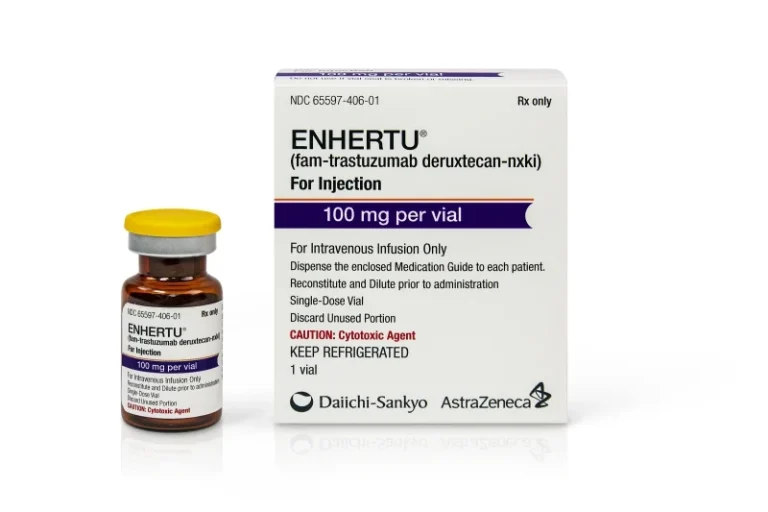
The U.S. Food and Drug Administration (FDA) recently granted approval for a new combination regimen for patients with unresectable or metastatic HER2-positive breast cancer.

This authorization permits the use of a proprietary antibody-drug conjugate (ADC) therapy in combination with a targeted monoclonal antibody as a first-line treatment. The ADC therapy had previously secured approval in the third-line setting in 2019, which was later upgraded to the second-line setting in 2022. The monoclonal antibody component has been available since 2012, typically administered with another antibody and chemotherapy (the THP regimen), which has historically been the standard of care.

The approval is supported by interim data from the Phase 3 clinical trial (Destiny-Breast09). The findings indicated that the new combination therapy reduced the patients’ risk of disease progression or death by 44% compared to the THP regimen. The median progression-free survival (PFS) for the new combination was 40.7 months, significantly higher than the 26.9 months observed with the standard regimen. Medical experts suggest this new regimen is poised to become the new first-line standard of care for this patient population.

Regarding safety, the combination’s safety profile was consistent with the known profiles of its individual components. However, the ADC is associated with an increased risk of interstitial lung disease (ILD), which was noted in the trial. Adjudicated drug-related ILD or pneumonitis occurred in 12% of patients in the combination group, versus 1% in the THP group. While most cases were mild to moderate, two deaths (0.5%) were recorded in the combination arm. Clinicians are reportedly adept at managing this known side effect.

This ADC regimen is demonstrating substantial commercial promise, with combined sales reaching $3.75 billion in 2024, an increase from $2.57 billion in the previous year.

Source: https://www.fiercepharma.com/pharma/astrazeneca-daiichi-sankyo-score-fda-nod-enhertu-combo-breast-cancer

National Occupational Health Provider Extends Reach in Florida

0

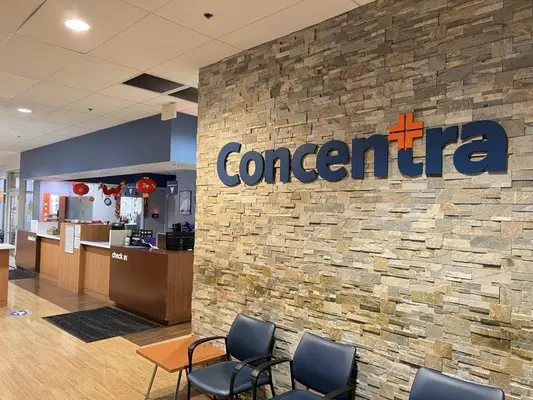
Occupational health specialist Concentra (NYSE:CON), a publicly traded company, has expanded its national footprint by establishing a new medical center in Hialeah, Florida. The facility, situated at 855 East 8th Avenue, is intended to improve local access to a range of employer-focused medical services and address rising regional demand.

The new location will deliver comprehensive services, including treatment for workplace injuries, physical rehabilitation, required medical assessments for commercial drivers (DOT examinations), pre-employment physicals, and substance abuse screenings. It will also integrate telemedicine capabilities through the company’s digital platform for managing minor work-related injuries. Concentra’s leadership indicated this strategic move aims to optimize service capacity for employers in the Hialeah area.

This addition expands the provider’s extensive network, which already comprises more than 625 centers nationwide. As of the end of the third quarter, the company maintained an operational network of 628 medical facilities and 409 clinics located directly at employer sites across 47 U.S. states. The organization, which reports serving approximately 50,000 patients daily and employing about 13,000 staff members, asserts that it is the nation’s largest occupational health provider based on facility count.

The $2.55 billion market cap company has shown strong financial performance, reporting a total revenue of $2.09 billion over the last twelve months, representing an 11.38% growth rate. Recent third-quarter results highlighted this upward trend with a 17% rise in revenue to $572.8 million and an 8.9% increase in net profit to $49.8 million. The company has also recently received a “Weight Increase” rating from JPMorgan, reflecting confidence in its growth trajectory and operational efficiency, including a flexible cost structure. Furthermore, Concentra has appointed a new Director of Data, Analysis, and Artificial Intelligence, signaling a focus on data strategy to support continued expansion.

Source: https://vn.investing.com/news/company-news/concentra-khai-truong-trung-tam-y-te-nghe-nghiep-moi-tai-hialeah-florida-249482

Leadership Competency Diagnosing: Rationale, Objectives, and Process

The pharmaceutical sector has experienced profound and rapid changes in recent years. Globalization, advancements in digital selling, the integration of artificial intelligence, and rising expectations from hospital Boards, healthcare professionals (HCPs), patients, and society at large are reshaping the industry landscape. While expertise in sales and marketing remains a core strength, the demands of effective leadership today go well beyond technical proficiency or subject-matter expertise.

Many current leaders have advanced into management positions from Sales or Marketing , Finance functional backgrounds, often without comprehensive training in leadership or people management. As a result, there is currently no structured framework for Leadership or Talent Development to guide capability building, performance management, or succession planning. Leadership practices can differ significantly across the organization, resulting in inconsistencies in communication, collaboration, and execution. For the organization to sustain long-term growth and foster innovation, it is essential to strengthen leadership competencies that support collaboration, transformation, and continued development.

Given these factors, a Leadership Competency Diagnosing Session will provide a clear picture of current strengths, highlight development needs, and assess readiness for future challenges.

Objectives of Leadership Competency Diagnosing

  1. Establish a shared understanding of the leadership competencies required for success.
  2. Assess the degree of understanding and confidence in key leadership behaviors across the organization.
  3. Identify the strengths and gaps in leadership capabilities among current leaders.
  4. Align expectations across Sales, Marketing, Medical, and cross-functional leadershipteams.
  5. Lay the groundwork for a future-focused Leadership and Talent Development Roadmap.

Benefits of Implementing a Leadership Competency Framework

  1. Provides clarity and alignment on the qualities and behaviors that define great leadership.
  2. Ensures consistency in leadership expectations and actions throughout the organization.
  3. Enables better decision-making for leadership development, promotion, and succession planning.
  4. Fosters higher levels of collaboration across different functions and teams.
  5. Builds a stronger culture that supports organizational transformation and growth.

Focus Group Discussion (FGD) Facilitation Process

  1. Introduction: Outline the purpose, provide context, and set expectations for the discussion.
  2. Competency Exploration: Examine the meaning of key competencies, discuss the associated behaviors, and share real-life examples.
  3. Group Discussion: Reflect on current leadership practices and identify existing gaps.
  4. Self-Rating and Team Rating: Assess both individual and team understanding and confidence regarding the key competencies.
  5. Consolidation: Gather shared insights and pinpoint priority areas for development.

Expected Outcomes

  • Summary of key findings presented in a competency heatmap.
  • Insights into leadership strengths, areas for development, and observable leadership patterns.
  • Recommendations for next steps, including the creation of a Leadership and Talent Development Roadmap

Consolidated by HCX Coaching

CHECK-CALL-CARE: Part 1: Safety In First Aid Core Principles Of Initial Management

In pre-hospital emergency care, the initial management phase does not only revolve around the victim but also focuses heavily on the safety of the rescuer. This helps prevent “secondary injury”—where the rescuer becomes a new victim, complicating the situation and increasing the burden on rescue efforts.

Rescuer Safety: A Prerequisite Before Any Intervention

1. Prioritize Rescuer Safety According to fundamental safety principles, any activity involving approaching a victim must begin with an assessment of the scene hazards. The rescuer must evaluate whether the area contains threatening factors such as electricity, fire, smoke, chemicals, or sharp objects. If the hazard is not controlled, access is not permitted.

2. Identify and Eliminate Hazardous Factors Physical and environmental hazards are often the causes of secondary injuries. Therefore, eliminating or minimizing the risks (such as turning off electricity, moving away from a fire source, removing sharp objects, etc.) is a mandatory requirement before performing any intervention.

3. Activate the Emergency System Immediately upon assessing that the victim’s condition presents hard-to-access, life-threatening danger, one must immediately call the emergency system (113 – 114 – 115 in Vietnam). In many cases, guidance from specialized forces can determine the victim’s survival prognosis and the rescuer’s own safety.

Approaching the Victim: Prioritize Safety Before First Aid

1. Moving the Victim in a Hazardous Environment If the victim is in a high-risk area (fire, explosion, collapse risk, gas poisoning, etc.), immediate removal must be performed to protect their life before implementing further support measures.

2. Primary Survey This is the “Primary Survey” step, which includes checking vital signs, injury status, bleeding, or other critical manifestations. This forms the basis for deciding the appropriate first aid method.

First aid is not only an act of saving lives but also a process of risk management in an emergency context. Correctly applying safety principles is the decisive first step in management outcomes. In emergency medicine, effective intervention is never possible if initial safety is not ensured.

Consolidated by GHME

Why Senior Leaders Should Stop Having So Many One-on-Ones

0

One-on-one (1:1) meetings are typically viewed as essential for alignment and decision-making in large organizations. However, the article posits that at the senior executive level, this structure works against the organization’s best interests, leading to functional fragmentation and isolation.

While 1:1s may be useful lower down (for guiding middle managers or individual contributors), for C-suite leaders, an over-reliance on 1:1 meetings creates four core problems:

The Hidden Costs of Executive 1:1 Meetings

  1. Fragmented Governance: Each 1:1 acts as a private, mini steering committee. This results in informal, duplicative governance that requires follow-up meetings and rework to keep others informed. Unconsidered viewpoints surface later, leading to avoidable friction.

  2. Functional Bias: One-on-ones reinforce the view of the organization as isolated departments rather than an interconnected web of capabilities. This strengthens functional silos and forces the CEO to act as the sole integrator of all cross-functional perspectives.

  3. Decision Repackaging: Executives waste time repeating, defending, or translating privately made decisions, which breeds misalignment and slows momentum downstream. It also enables leaders to use 1:1s to subtly influence or “game the system.”

  4. Executive Rivalry and Collusion: Ambition and succession dynamics can turn 1:1s into arenas for inside influence. Leaders gain implied status by referencing private access (“In my 1:1 with Bill…”), eroding collective trust. CEOs can also undermine psychological safety by using 1:1s to “extract inside scoops” about other team members.

The Solution: Capability Meetings

The alternative is to restructure executive time by convening small, cross-functional “capability meetings” (1:2 or 1:3 conversations). These meetings are organized around how enterprise value is genuinely created, for instance, focusing on the seams between functions where innovation or customer experience actually resides.

Five ways to implement this shift:

  1. Reserve 1:1s for Development: Shift 1:1s to a quarterly cadence and dedicate them solely to the individual’s growth, feedback, and long-term career development. These 90-minute sessions should be clearly labeled and focused on reflection, avoiding tactical issues entirely.

  2. Convene Around Core Capabilities: Map the organization’s most critical capabilities (e.g., digital transformation, customer loyalty) and create standing “capability councils.” These groups bring together the two to four most essential functions needed to deliver that value, serving as the forum for near-term cross-functional decision-making and trade-offs.

  3. Ensure the Right People are Listening: Use capability meetings to gather the specific leaders whose functions intersect on an issue. This ensures those who need to understand and act on information hear the context in real-time, eliminating the need to be briefed later and preventing misalignment.

  4. Elevate Executive Team Time: By moving execution and cross-functional trade-offs into the smaller capability meetings, the full executive team’s time is freed up. This allows them to focus on strategic sensemaking, cultural stewardship, and long-horizon, enterprise-wide bets, rather than managing interpersonal fallout or relitigating decisions.

  5. Minimize Executive Rivalry: Shifting operational discussions into transparent, small-group formats replaces the “I know something you don’t” dynamic with mutual accountability and shared context. This reduces back-channel gossip, fosters genuine trust, and makes it clear that real influence comes from collaboration, not proximity to the CEO.

Ultimately, this transformation is about leadership effectiveness. The role of senior executives is to enable the organization’s full capacity to perform, which requires leading the seams where value is created, not just managing the silos.

Sources: https://hbr.org/2025/07/why-senior-leaders-should-stop-having-so-many-one-on-ones?utm_content=337766544&utm_medium=social&utm_source=linkedin&hss_channel=lis-v4lX3Q-haY

New Research on AI and Fairness in Hiring

Although nearly 90% of companies are now employing some form of Artificial Intelligence (AI) in hiring with the aim of reducing human bias, a new study indicates that AI adoption doesn’t just eliminate bias but fundamentally reshapes what counts as fairness within an organization. If not continuously monitored, AI can lock in a single definition of fairness, narrowing the candidate pool and sidelining human expertise.

A three-year field study at a global consumer-goods company tracked how an algorithmic system replaced résumé reviews with blinded, gamified assessments. The algorithm was trained on current employee data to predict the “fit” of new candidates. Initially, the system was intended to deliver fairness through consistent, data-driven rules.

The Shifting Definition of Fairness

As the AI tool scaled, the definition of fairness began to diverge:

  • Human Resources (HR): Prioritized consistency and unbiased procedures across all candidates.

  • Frontline Managers: Valued local context, recognizing that a strong hire varies by role, market, and team.

These views had coexisted for years. However, the algorithm translated HR’s principles into rigid, dominant rules that were difficult to bypass. Over time, this algorithmic version of fairness grew dominant, crowding out other perspectives. This led to conflicts, such as the model flagging a promising intern whom an experienced manager believed would excel.

The Critical Questions Leaders Must Ask

The research concludes that leaders should move beyond asking whether humans or machines are fairer and instead pose deeper questions to ensure AI reinforces a comprehensive definition of fairness:

1. What versions of fairness exist in our organization?

Companies often assume fairness has one clear meaning, but in reality, multiple, non-aligned meanings usually exist.

  • Proposed Action: Leaders must uncover what “fair” and “unfair” means for different groups (HR, managers, legal, candidates) by having data scientists and project leaders shadow the hiring process.

  • Ethical Infrastructures: Create dedicated spaces for collective reflection and debate on ethical dilemmas, known as “ethical infrastructures” (e.g., H&M Group’s Ethical AI Debate Club), where diverse teams debate trade-offs as they arise.

2. Who gives AI the power to decide what’s “fair” and on what basis?

AI systems gain influence from the people and departments that choose to implement them, authorize their use, and position them as “objective” or “fair.”

  • Scrutinize Language: Leaders must scrutinize the language accompanying AI initiatives. When a system is promoted as “ethical,” “scientific,” or “unbiased,” it is crucial to slow down and ask: Who is making these claims, and whose interests or forms of expertise are being sidelined?

  • Balance Implementation Teams: Ensure implementation teams include a mix of voices—ethics experts, business partners, and representatives of those affected—rather than being driven solely by technology advocates. An example is Microsoft’s “Responsible AI Champs.”

3. Which version of fairness does AI strengthen, and what gets lost over time?

AI systems don’t just apply a definition of fairness; they strengthen it. Once principles are encoded in fixed thresholds and workflows, they take on new power.

  • Continuous Evaluation: Treat fairness as something to be continuously evaluated, not a one-time check. Schedule regular reviews where stakeholders examine real hiring cases alongside model outputs and adjust thresholds or data inputs when evidence suggests drift.

  • Empower Frontline Managers: Frontline managers must have a guaranteed response mechanism to signal when a system threshold is constraining a regional pipeline or filtering out high-potential, atypical candidates.

  • Transparency Tools: Utilize tangible tools (e.g., IBM’s AI Fairness 360) to keep fairness inspectable over time. These tools allow teams to evaluate models against multiple fairness measures and run “what-if” checks, preventing fairness from drifting by default.

In conclusion, the leader, not the technology, is the steward of fairness. By making multiple views of fairness visible during design, clarifying the system’s authority, and continuously evaluating which version of fairness is being reinforced, companies can build sustainable fairness claims and mitigate the risk of narrowing their talent pool.

Source: https://hbr.org/2025/12/new-research-on-ai-and-fairness-in-hiring?ab=HP-hero-latest-2

Internal Talent Markets: The Dual Challenge of Productivity and Preference

0

Internal talent markets, which allow employees to select their next assignments, projects, or roles, are being adopted by major organizations, including Walmart and the U.S. Army, to boost employee engagement and retention. However, a recent study sought to clarify whether granting workers more choice actually translates into improved organizational productivity.

Comparative Analysis of Assignment Models

A research team comprising academics from Columbia Business School, the University of Oregon, Emory University, and Yeshiva University compared two assignment approaches within a large organization:

  1. Firm-Dictated Assignments: Leaders place employees into roles based strictly on company priorities.

  2. Market-Based System: Employees and managers submit ranked preferences, and an algorithm determines the match.

The study’s findings revealed a notable difference between the two models when benchmarked against random assignments (the control group):

  • Company Priority Matches: Were projected to be 33% more productive than random assignments.

  • Employee Preference Matches: Were expected to be only 5% more productive than random ones, but were ranked 38% more valuable personally by the employees (job satisfaction).

In essence, manager-led assignments were found to maximize immediate productivity, while preference-based assignments maximized employee happiness.

The Paradox of Satisfaction and Output

The research indicated that the productivity shortfall, despite high employee satisfaction, stems from less-than-ideal matches between job requirements and worker skills. This mismatch occurs for several reasons:

  • Insufficient Detail: Project descriptions often lack adequate detail, preventing employees from accurately assessing their skill-job fit.

  • Choosing “Stretch” Roles: Employees may choose challenging roles to develop new, future-oriented skills, even if those assignments do not immediately enhance corporate productivity. Approximately 90% of the skills workers sought to develop were not firm-specific.

Implementing a Hybrid Selection System

To increase employee satisfaction through choice without substantially compromising productivity, researchers suggest a hybrid model. This model allows workers to express preferences while retaining the firm’s ability to influence or override assignment decisions. Recommended best practices for optimizing this hybrid system include:

  1. Enhance Information Quality: Companies must provide clear feedback to employees about their strengths and the specific needs of each assignment. Adequate information empowers workers to make more informed choices, thereby improving match quality and, in turn, productivity.

  2. Offer Incentives: Organizations should incentivize employees to apply for roles that align closely with both their skills and the company’s needs. Systems can automatically nudge high-performing candidates toward priority tasks, offering rewards—such as extra vacation days—only if they accept and complete a highly desirable, well-matched assignment.

  3. Coordinate Match Decisions: Mechanisms should be implemented to strategically distribute top talent across the organization rather than concentrating it in a single team. This could involve limiting the number of high performers who can apply for a role within one team or setting hiring limits for managers.

The Mastercard Example: Mastercard utilizes an internal talent marketplace called “Unlocked.” This employee-led platform matches individuals to opportunities (projects, mentorships, open roles) based on their existing and desired skills. Participation is voluntary and dependent on an employee’s capacity to handle additional work beyond their core duties. The platform has successfully tracked one million project hours, eliminating the need for external recruitment or consultants and fostering cross-functional collaboration.

Ultimately, the optimization of the talent-matching system must be aligned with prevailing market conditions. During periods like the “Great Resignation” (2021–2023), maximizing employee happiness was crucial for retention. However, in a weaker labor market with a greater focus on efficiency, granting managers more control over assignments may be necessary to optimize productivity.

Source: https://hbr.org/2026/01/a-better-way-to-manage-internal-talent-markets

Major Biotech Deal: Sobi Acquires Arthrosi in Transaction Valued Up to $1.5 Billion

0

On December 15, 2025, Swedish Orphan Biovitrum AB (Sobi), a global biopharma company based in Stockholm, announced that it has entered into an agreement to acquire Arthrosi Therapeutics, Inc., a company that was initially invested in and incubated by Viva Biotech Holdings.

Financial Details and Continuing Cooperation

The total transaction value Sobi has agreed to pay can reach up to $1.5 billion. This includes an upfront payment of $950 million upon closing, and up to $550 million in contingent payments based on the achievement of regulatory and performance milestones. The closing of the acquisition is anticipated to occur in the first half of 2026.

Viva Biotech expects the merger to result in an aggregate gain of approximately $40.0 million, the final amount of which is contingent upon the fulfillment of regulatory and performance milestones. Furthermore, Arthrosi has established a new Statement of Work (SOW) with Langhua Pharmaceutical, the Contract Development and Manufacturing Organization (CDMO) unit of Viva Biotech, for the supply of active pharmaceutical ingredient (API), signaling continued business collaboration.

Product Strategy and Technological Value

Arthrosi Therapeutics is a late-stage biotechnology company focused on developing pozdeutinurad (AR882), a potentially best-in-class, highly potent, and selective next-generation oral URAT1 inhibitor. Pozdeutinurad is designed to reduce serum urate (sUA) levels, mitigate gout flares, and dissolve tophi in patients with progressive and tophaceous gout.

  • Pipeline Expansion: The acquisition of pozdeutinurad significantly strengthens Sobi’s gout franchise. Pozdeutinurad is currently being evaluated in two fully recruited global Phase 3 clinical studies, with results expected to be available in 2026.

  • Market Potential: Sobi positions pozdeutinurad to potentially become the preferred therapy for patients with progressive gout who exhibit persistent symptoms despite receiving first-line treatments. Sobi’s CEO, Guido Oelkers, noted the product’s potential to substantially accelerate the company’s growth until the mid-2030s and beyond.

Dr. Han Dai, Chief Innovation Officer of Viva BioInnovator, praised Arthrosi reaching this acquisition milestone as a dual realization of industrial and clinical value, further validating the efficacy of Viva Biotech’s investment and industry empowerment model within the global innovative drug sector.

Source: https://www.prnewswire.com/news-releases/viva-biotechs-invested-and-incubated-company-arthrosi-has-entered-into-an-acquisition-agreement-with-sobi-for-a-total-transaction-value-of-up-to-us1-5-billion-302641934.html

Strengthening Vaccine Quality: The Role of Scientific Inspection and New Technology

0

As the global community continually manages public health threats, ranging from novel diseases to the resurgence of older infections, the field of vaccine development and manufacturing is undergoing a period of intense technological transformation.

In Vietnam, the National Institute of Control of Vaccines and Biologicals (NICVB) serves as the country’s national focal point responsible for inspecting, evaluating, and monitoring the quality of all vaccines. The Institute’s core function is to ensure that every vaccine product released for public use meets stringent standards for safety, efficacy, and stability, thereby reinforcing public confidence in immunization programs.

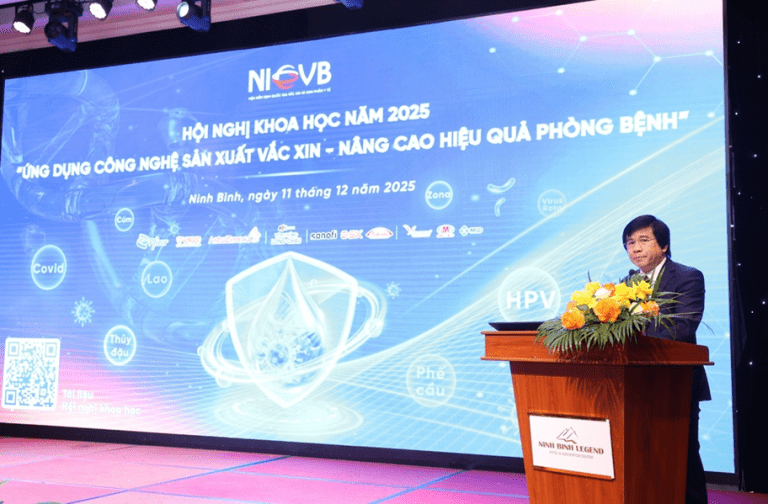
To facilitate the sharing of international technological advances and affirm Vietnam’s position in the global health network, NICVB hosted a scientific forum in Ninh Binh on December 11, 2025. The event brought together medical experts, researchers, corporate representatives, and regulatory bodies to exchange views on the development trends of next-generation vaccine platforms and solutions for sustained product quality assurance.

The COVID-19 pandemic demonstrated that traditional production methods were often too slow to adequately respond to global health crises. The introduction of mRNA vaccines marked a significant breakthrough, enabling scientists to rapidly develop an effective vaccine shortly after the viral genome was sequenced. This success has spurred the expansion of mRNA technology research into other diseases, including influenza, RSV, cancer immunotherapies, and malaria. Concurrently, other advanced platforms such as recombinant proteins, viral vectors, new-generation adjuvants, and streamlined manufacturing processes are contributing to leaner, better quality-controlled, and more cost-effective production.

The conference served as a key national-level academic platform. Participants included experts from central research institutions (such as the National Institute of Hygiene and Epidemiology), domestic manufacturers (IVAC, POLYVAC, VABIOTECH), major international pharmaceutical companies (MSD, Sanofi-Aventis, AstraZeneca, GSK, Pfizer), and representatives from local health authorities.

Five main specialization areas were presented and discussed:

  1. The epidemiological burden of infectious diseases in Vietnam (e.g., pneumococcus, Flu virus, Dengue fever) and strategies for generating immunity through vaccination.

  2. The global and domestic shift in transitioning quality control testing from in vivo to in vitro methodologies.

  3. The identification of immunological gaps within the community before the onset of disease outbreaks.

  4. The critical role of adjuvants in vaccine formulations and advanced immunization technologies for adults, especially the elderly population.

  5. An overview of mRNA technology in the field of cancer prevention vaccines, including both its potential and the inherent challenges.

On behalf of NICVB leadership, the Institute affirmed its commitment to continued cooperation and partnership with both domestic and foreign vaccine manufacturers. The objective is to continuously improve inspection procedures to keep pace with ongoing technological advancements, facilitate the product registration process, and ultimately enable Vietnamese citizens to gain better access to effective and proactive preventive health measures.

Soucre: https://suckhoedoisong.vn/nicvb-niem-tin-ve-chat-luong-vac-xin-va-phong-benh-cong-dong-169251215092644839.htm