Monday, April 6, 2026
Home Blog Page 4

European Union Advances New Pharmaceutical Regulatory Framework

0

Negotiators from the European Parliament (EP) and the EU Council have reached a provisional agreement on a new regulatory framework for the pharmaceutical sector. The framework’s stated goal is to enhance the region’s competitiveness and maintain the flow of capital into innovation. This agreement, termed the “pharma package,” is described as the biggest reform of EU medicines laws in over two decades.

The deal proposes introducing periods of regulatory data protection and market protection for certain new medicines:

  • Regulatory Data Protection: Eight (8) years, during which other companies cannot access product data.

  • Market Protection: An additional one (1) year to shield against competition from biosimilar or generic drugs.

Companies may qualify for extra years of market protection if they develop drugs that address unmet clinical needs, contain a new active substance, or demonstrate a significant improvement over existing therapies. The combined regulatory protection period is capped at 11 years.

For orphan medicinal products—those addressing diseases with no available treatments—market exclusivity will be up to 11 years.

The European pharmaceutical industry has expressed disappointment with the terms. The European Federation of Pharmaceutical Industries and Associations (EFPIA) acknowledged some benefits but found the overall outlook “underwhelming” and stated the policies are “not strong enough” to significantly move the needle on European competitiveness, especially when competing with the U.S. and China.

Concerns about the competitiveness of Europe’s pharma landscape have intensified, particularly as U.S. companies expand their global dominance. CEOs of 32 major pharmaceutical companies previously wrote a letter to the European Commission President, calling for rapid policy change to maintain capital flow into the continent.

The provisional agreement now awaits formal adoption by the EU Council and subsequent endorsement by the European Parliament in a second reading.

Source: https://www.pharmaceutical-technology.com/news/eu-inches-closer-to-new-pharma-legislation-amid-competitiveness-drive/?cf-view

Novel Monoclonal Antibody Gains FDA Clearance for Generalized Myasthenia Gravis

0

The U.S. Food and Drug Administration (FDA) has granted an expanded indication for Amgen’s monoclonal antibody, Uplizna (inebilizumab). The new approval is for the treatment of generalized myasthenia gravis (gMG) in adults who are positive for anti-acetylcholine receptor (AChR) and anti-muscle specific tyrosine kinase (MuSK) antibodies.

Generalized myasthenia gravis is a rare autoimmune disorder, estimated to affect approximately 80,000 to 100,000individuals in the U.S., causing fluctuating muscle weakness by impairing neuromuscular communication. The condition is primarily driven by AChR and MuSK autoantibodies, which are produced by CD19+ B cells.

Uplizna functions by targeted and sustained depletion of the CD19+ B cells (including plasmablasts and some plasma cells) that are essential to the underlying disease process. Following two initial loading doses, the gMG regimen for Uplizna requires maintenance dosing only twice a year.

Efficacy Data from Clinical Trial

The regulatory approval is based on data from Amgen’s Phase 3 MINT trial:

  • At the 26-week mark, patients treated with Uplizna achieved a 4.2-point reduction on the Myasthenia Gravis Activities of Daily Living (MG-ADL) scale, compared to a 2.2-point reduction in the control (placebo) cohort, resulting in a statistically significant 1.9-point difference.

  • The clinical benefits of the drug persisted for a full year among patients in the AChR-positive subgroup.

  • The study also featured a steroid taper protocol. By Week 26, 87.4% of patients on Uplizna and 84.6% on placebo had successfully reduced their steroid dose to 5 mg or less per day.

Market Competition and Potential

Uplizna is entering a gMG market that has seen a surge of new targeted therapies approved since late 2021, including Vyvgart, Imaavy, Rystiggo, Zilbrysq, Soliris, and Ultomiris.

Uplizna’s key competitive advantage is the twice-yearly dosing schedule, compared to other targeted therapies that typically require maintenance dosing every few weeks. Analysts suggest that the drug’s CD-19 targeting mechanism, efficacy across gMG subgroups, dosing convenience, and steroid-sparing potential could offer unique differentiation. The sales opportunity for Uplizna in the gMG indication is projected to reach $1.7 billion by 2030.

This marks the third overall approval for Uplizna, building on its original clearance in 2020 for neuromyelitis optica spectrum disorder and an April approval this year for immunoglobulin G4-related disease.

Source: https://www.fiercepharma.com/pharma/amgens-uplizna-wades-crowded-myasthenia-gravis-market-after-fda-nod

Regulator Authorizes New Oral Antibiotic Option for Gonorrhea

0

The U.S. Food and Drug Administration (FDA) has announced a decision to expand the usage approval for GSK’s antibiotic, Blujepa, specifically for the treatment of gonorrhea. This move introduces a novel class of therapeutic agent against the sexually transmitted infection (STI), marking a significant advancement for the first time in more than three decades.

This new authorization comes as clinicians face diminishing treatment options due to rising antimicrobial resistance to therapies for gonorrhea—an infection affecting over 80 million people globally each year.

Blujepa delivers an important oral alternative, unlike the currently administered injected therapies that serve as the standard of care for managing this infection. The medication was previously authorized by the FDA in March of this year for managing uncomplicated urinary tract infections.

The expanded clearance for gonorrhea is specifically for patients aged 12 and above, weighing a minimum of 45 kilograms (100 pounds). Its use is reserved for situations where the current standard-of-care (SOC) treatments are unsuitable, or where patients are intolerant or unwilling to use the first-line regimen.

Clinical data supporting the approval came from a Phase 3 study. The trial demonstrated that Blujepa’s efficacy was comparable to the established combination therapy of intramuscular ceftriaxone and oral azithromycin. Safety data indicated the medication was generally well-tolerated, with mild to moderate issues in the gastrointestinal tract being the most frequently observed adverse reactions.

An infectious disease specialist characterized the approval as a rare moment of progress in the fight against antibiotic resistance, especially for a pathogen that has overcome nearly every existing drug.

Gonorrhea is recognized by the World Health Organization (WHO) and the U.S. Centers for Disease Control and Prevention (CDC) as a priority pathogen and an urgent public health threat. The drug’s development received partial funding from U.S. government agencies, including the Biomedical Advanced Research and Development Authority (BARDA).

Source: https://www.fiercepharma.com/pharma/gsk-gains-fda-expansion-antibiotic-blujepa-treatment-gonorrhea

Healthcare News: Vietnam – US Collaboration on Anti-Infection Technology

0

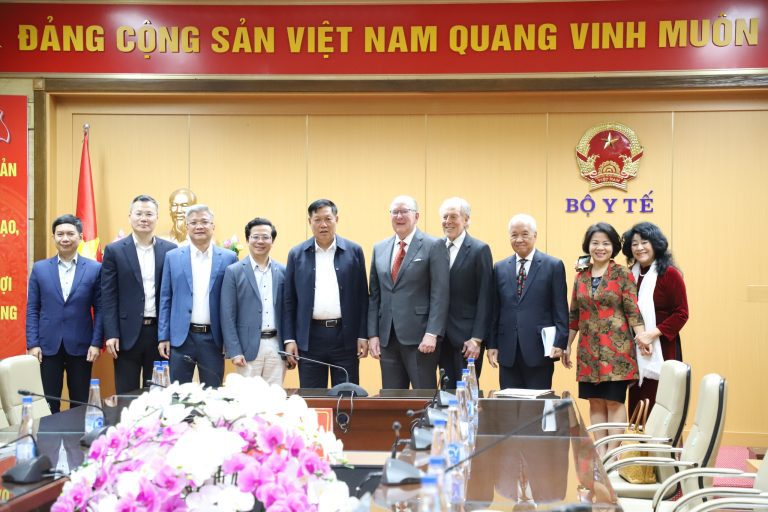
On the afternoon of December 8 in Hanoi, Deputy Minister of Health Đỗ Xuân Tuyên hosted a working session with a delegation from the Golding Brothers Partners Group and H. William, Inc (USA), led by Mr. Jay Golding, Chairman of Health Board No. 8 and Chairman of Golding Brothers Partners.

The Golding Brothers Partners Group, which is actively engaged in the medical device and Biotechnology (Biotech) sectors, focuses on addressing global healthcare challenges, particularly hospital-acquired infections (HAIs) and antimicrobial resistance (AR) or “superbugs.”

Mr. Jay Golding expressed satisfaction with the positive development of the Vietnam – US comprehensive partnership, especially in the health sector. He introduced the Group’s operational model and voiced a desire to undertake significant collaborative projects in Vietnamese healthcare.

The Group proposed conducting clinical trials for a technology that involves coating endotracheal tubes with the active substance Ceragenins. Specifically, the CeraShield™ endotracheal tube with this coating is designed to prevent the adherence and growth of harmful bacteria and fungi post-surgery.

The meeting included a presentation on the features, utility, patient value, and current clinical research effectiveness of the CeraShield™ tube. Trials at hospitals in Canada have indicated that the product helps reduce the risk of lung infections, particularly in patients on mechanical ventilation in the ICU—a leading cause of in-hospital mortality.

Deputy Minister Đỗ Xuân Tuyên affirmed that preventing post-operative infections is a crucial and complex task for the health sector, requiring close cooperation among all stakeholders. He noted that the Ministry of Health prioritizes measures like raising awareness, improving infrastructure, and effectively applying prevention methods.

The Deputy Minister assigned Bạch Mai Hospital to coordinate research efforts with the Golding Brothers Partners Group and H. William, Inc. to finalize the legal documentation for the Ministry’s review and approval of the clinical trial cooperation program.

The Ministry of Health welcomed the initiative, committing to provide all favorable conditions and the necessary legal framework for the company to collaborate on trials aimed at reducing/eliminating post-operative bacteria. The goal is to enhance treatment efficacy at Bạch Mai Hospital, with the potential for nationwide expansion following successful and effective results, ultimately reducing patient costs and recovery time.

Source: https://suckhoedoisong.vn/trao-doi-ban-thao-hop-tac-ve-thiet-bi-y-te-cong-nghe-sinh-hoc-voi-tap-doan-cua-hoa-ky-169251209003556772.htm

Medical News: Advancing Regenerative Medicine in Vietnam-Japan Partnership

0

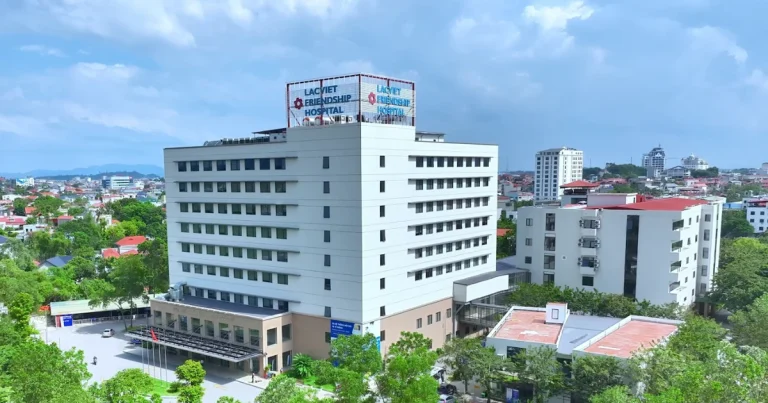
On the morning of December 6, 2025, at Thang Long Lạc Việt International Hospital, the Lạc Việt Friendship Hospital System (LVFH) held an online discussion with representatives from the Kyushu Advanced Welfare Medicine Promotion Association (Japan) to explore cooperation opportunities in stem cell technology and regenerative medicine.

The Japanese delegation included Mr. Nishiza Seiki, President of the Association, and Prof. Chiba Shunmei, a renowned expert in stem cells, neurology, and regenerative medicine, who pioneered 3D stem cell culture technology. The Kyushu Association is a leading organization responsible for inspecting and licensing hospitals in the Kyushu region for the application of regenerative medicine.

It brings together top scientists and specialists in fields such as mesenchymal stem cells derived from obstetric by-products (umbilical cord, placenta), iPS cell therapy, gene therapy, and molecular targeted drugs.

Key attendees from the Lạc Việt Hospital System included Mr. Đỗ Trọng Thủy (CEO of Lạc Việt Group) and M.D., Level II Specialist Nguyễn Mạnh Tưởng (Deputy Director of Thang Long Lạc Việt International Hospital). Prof. Dr. Lê Văn Quảng, LVFH’s Professional Advisor, and Director of K Hospital and Director of the Cancer Prevention Research Institute, also participated.

Transfer of 3D Stem Cell Technology and Long-Term Cooperation Strategy

During the meeting, the two parties discussed crucial topics, including the exchange and transfer of advanced Japanese technologies in 3D stem cell culture and application, the potential use of stem cells to support the treatment of cancer and degenerative diseases.

Prof. Chiba Shunmei expressed a strong desire to transfer the technology to Vietnam: “We are committed to accompanying the Lạc Việt Friendship Hospital System through the training process to ensure all procedures meet Japanese standards.”

Mr. Đỗ Trọng Thủy, representing LVFH, affirmed the system’s readiness to send staff to Japan for hands-on training and experience. The objective is to systematically acquire the technology to serve Vietnamese patients effectively and safely.

The two sides also agreed to jointly organize an International Scientific Workshop on new advancements in stem cell treatment, tentatively scheduled for March 2026 in Hanoi, featuring experts from both countries. Prof. Dr. Lê Văn Quảng praised this cooperation, viewing it as an opportunity to update knowledge and expand international collaboration for the practical benefit of patients.

This initial cooperation lays the groundwork for future long-term collaboration, aiming to apply advanced stem cell technology to treat chronic and degenerative diseases, and cancer. The shared goal is to reduce the burden of illness, improve patients’ quality of life, and expand access to cutting-edge treatments for Vietnamese people right at home, minimizing financial pressure and optimizing the long-term treatment journey.

Source: https://suckhoedoisong.vn/he-thong-benh-vien-huu-nghi-lac-viet-trao-doi-hop-tac-voi-hiep-hoi-pho-bien-y-te-phuc-loi-tien-tien-kyushu-169251209162610607.htm

Medical News: Provincial Level Microsurgery Breakthrough

0

Thái Bình General Hospital (Hưng Yên) has marked a significant milestone in high-tech development by successfully mastering the complex technique of microsurgical reconstruction of large maxillofacial defects using a free flap. The hospital has become the second provincial-level institution nationwide to achieve this feat.

Ten-Hour Surgery for Cancer Resection and Reconstruction

The patient, Mr. L.Đ.T (born 1974), was diagnosed with advanced squamous cell carcinoma of the floor of the mouth, characterized by deep invasion and metastasis to nearby lymph nodes. This condition necessitated a complex major surgery.

Following the transfer of technology from central-level hospitals, the surgical team at Thái Bình General Hospital carried out the entire procedure:

  1. Wide resection of the floor of the mouth tumor, half of the tongue, and the compromised segment of the jawbone.

  2. Neck dissection on both sides (submandibular and cervical lymph nodes).

  3. Performing microsurgical transfer of a free fibula osteocutaneous flap to reconstruct the entire post-cancer surgical defect.

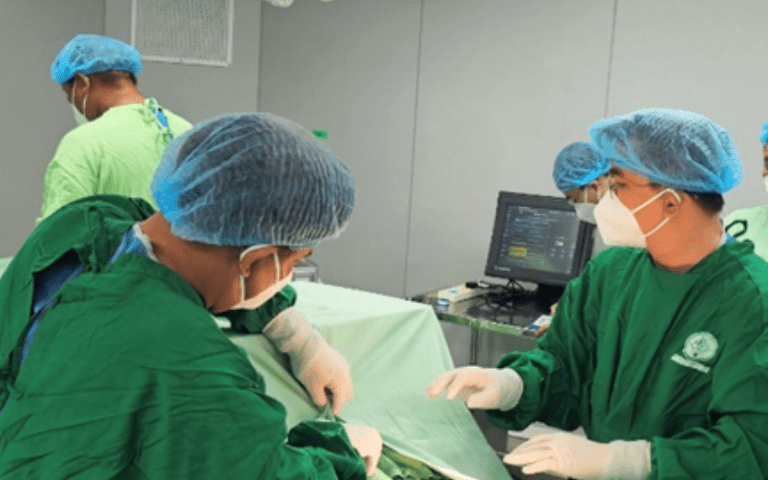
The major operation lasted nearly 10 continuous hours, involving two surgical teams working in parallel: one focusing on tumor eradication, and the other preparing and transplanting the flap. The process of connecting blood vessels, mere millimeters in size, under the operating microscope demanded near-absolute precision and intense focus.

Post-surgery, the patient’s condition stabilized, and the grafted flap showed good blood supply, confirming the success of the microsurgical procedure.

Affirming Provincial Healthcare Capacity

Assessing the outcome and conditions at the local facility, Meritorious Physician Assoc. Prof. Dr. Nguyễn Quang Bình, Deputy Director of the Central Hospital of Odonto-Stomatology, highly praised the hospital. He noted that Thái Bình General Hospital possesses standardized operating rooms, modern micro-surgical equipment, and well-trained personnel capable of quickly mastering the complex procedure.

According to Dr. Hà Văn Hưng, Head of the Odonto-Stomatology Department, the micro-surgical reconstruction technique offers significant advantages:

  • It allows surgeons to confidently perform radical cancer resection and lymph node dissection without concerns about wound closure or leaving large defects.

  • It restores the patient’s chewing, swallowing, and speaking functions, and crucially, improves facial aesthetics. This helps patients overcome feelings of self-consciousness and successfully reintegrate into the community.

This success not only represents a significant advancement for Thái Bình General Hospital (Hưng Yên) in mastering high-tech oncology and plastic-microsurgery but also affirms the growing capability of provincial-level healthcare in Vietnam. It is a clear demonstration of professional expertise and dedication, expanding access to advanced treatment for the population in the Northern Delta region at the local level.

Source: https://suckhoedoisong.vn/benh-vien-thu-2-ca-nuoc-thuc-hien-ky-thuat-vi-phau-tai-tao-khuyet-hong-lon-vung-ham-mat-169251211135150802.htm

Preventive Health News: Comprehensive Vaccination Communication Program Launched

0

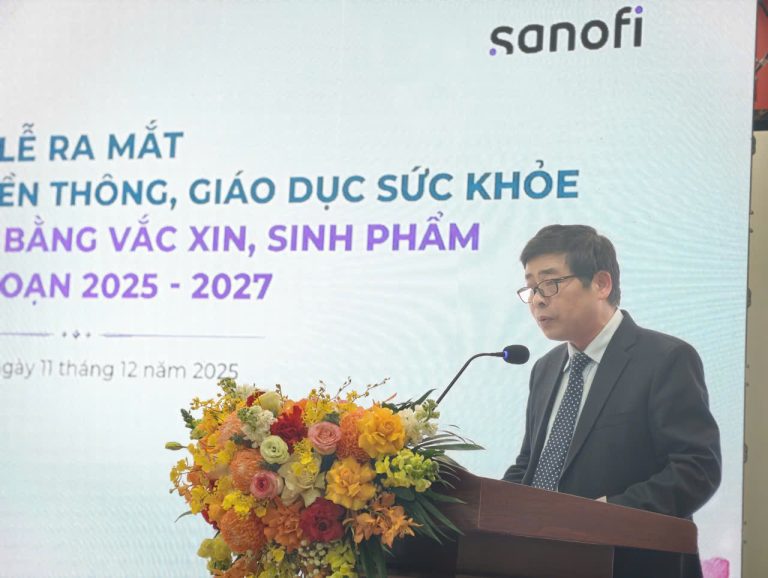
On the afternoon of December 11, the Department of Preventive Medicine (Ministry of Health) collaborated with Sanofi – Aventis Vietnam Co., Ltd. to launch a health communication and education program for disease prevention using vaccines and biological products. The program, themed “Vaccination for Everyone,” is scheduled for the 2025-2027 period and aims to raise public awareness of the benefits of immunization.

Dr. Dương Chí Nam, Deputy Director of the Department of Preventive Medicine, highlighted immunization as one of humanity’s greatest achievements, estimated to have saved over 150 million lives globally in the last 50 years. In Vietnam, vaccination has been instrumental in significantly reducing the incidence and mortality rates of infectious diseases, contributing to the successful eradication of polio and elimination of neonatal tetanus.

The program launch actively responds to the recently passed Law on Disease Prevention and embodies the strategic direction set forth in Resolution No. 72-NQ/TW (dated September 9, 2025) of the Politburo. This Resolution prioritizes shifting the healthcare focus from a treatment-centric model to prevention, making proactive immunization and sustainable vaccine access a strategic pillar.

The initiative is particularly vital given the rapid spread potential of emerging and re-emerging infectious diseases. It is also an effort to restore full childhood vaccination rates, which have not met expected targets due to the impact of the COVID-19 pandemic.

The 2025-2027 communication program will concentrate on:

  • Developing and disseminating extensive health education materials.

  • Broadly raising awareness among the public, especially parents and caregivers, regarding all forms of immunization (mandatory vaccination via the Expanded Program on Immunization (EPI), outbreak vaccination, and voluntary vaccination).

  • Working toward the goal of lifelong vaccination for all citizens.

The ultimate aim is to solidify past immunization achievements, strongly promote the mindset of early disease prevention, and help the community understand that receiving vaccinations at the correct dose, fully, and on time not only safeguards individual and family health, reduces healthcare costs, and enhances quality of life, but also helps prevent disease outbreaks within the community.

Source: https://suckhoedoisong.vn/ra-mat-chuong-trinh-truyen-thong-giao-duc-suc-khoe-ve-phong-benh-bang-vac-xin-sinh-pham-169251211194722935.htm

Health Tech News: Telemedicine Becomes a Strategic Component

0

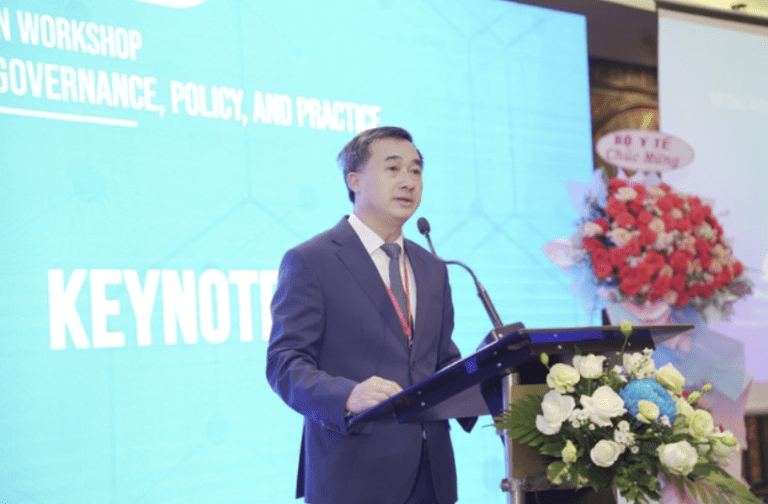
On December 11 in Hanoi, the Agency of Health Examination and Treatment Administration (Ministry of Health) coordinated with UNDP, KOFIH, and Kangbuk Samsung Hospital (South Korea) to host the 2nd Vietnam-South Korea workshop on telemedicine. This activity is part of a project aimed at utilizing telemedicine to enhance access to health services for vulnerable groups in Vietnam.

Prof. Dr. Trần Văn Thuấn, Deputy Minister of Health and Chairman of the National Medical Council, stressed that telemedicine is more than just a technical solution; it is a method for reorganizing health services. The approach is designed to be patient-centric, shorten geographical distances, facilitate the sharing of specialized knowledge, and elevate the capacity of primary health facilities closest to the public.

The Deputy Minister reported that telemedicine in Vietnam has moved beyond a temporary measure during the COVID-19 pandemic and is now a strategic component of the modern health system. The remote examination and treatment model has been sustained, expanded, and serves tens of thousands of people annually, particularly in remote areas and among vulnerable populations.

On the legal front, the 2023 Law on Medical Examination and Treatment, along with its guiding documents, has officially recognized and created a legal framework for remote medical activities. This signifies the State’s commitment to using technology to ensure citizens’ right to safe and equitable healthcare.

Deputy Minister Trần Văn Thuấn also outlined three major concurrent national processes being aggressively pursued by Vietnam:

  1. National Digital Transformation, with healthcare identified as a priority sector.

  2. Institutional completion for new healthcare service models integrated with data, technology, and artificial intelligence (AI).

  3. Deepening, substantive, and selective international integration.

Key Politburo Resolutions, such as Resolution No. 57-NQ/TW on strategic breakthroughs in science, technology, and digital transformation, and Resolution No. 72 on strengthening public health protection, have provided a solid political foundation for digital health, emphasizing the consolidation of primary healthcare and the robust application of digital technology in service delivery.

Refining AI Governance and Health Data Security

Mr. Nguyễn Trường Nam, Deputy Director of the National Health Information Center, noted that remote medical examination and treatment increases dependency on digital infrastructure. As per Clause 19, Article 2 of the 2023 Law on Medical Examination and Treatment, remote care is a non-face-to-face form of service delivered through IT equipment and technology.

This reliance poses data safety challenges, including the risk of sensitive personal data leakage (e.g., medical conditions, test results), eavesdropping on online interactions (video calls, data transmission), and the risk of cyberattacks on connections between hospitals or IoMT (Internet of Medical Things) devices.

To govern and utilize Artificial Intelligence (AI) in healthcare, the Ministry of Health plans to implement several measures:

  • Completing the legal framework for AI use, developing regulations for AI validation, licensing, and quality monitoring in clinical practice.

  • Enhancing data security, ensuring AI systems strictly adhere to information security regulations to prevent personal data breaches.

  • Issuing ethical guidelines for AI in healthcare, specifying that all final treatment decisions must be supervised and confirmed by a physician to ensure professional accountability and protect patient rights.

  • Continuing policy research and adjustment regarding AI in healthcare, using international standards to build standardized datasets and developing education and training programs for medical staff to effectively use AI in their work.

Dr. Nguyễn Trọng Khoa, Deputy Director of the Agency of Health Examination and Treatment Administration, stressed the crucial importance of standardizing health examination and treatment data across facilities for the effective deployment of electronic health records in remote care. Strengthening digital transformation in healthcare is essential to improve the quality of primary care services and contribute to achieving the United Nations Sustainable Development Goals.

Source: https://suckhoedoisong.vn/y-te-tu-xa-lay-nguoi-benh-lam-trung-tam-rut-ngan-khoang-cach-dia-ly-nang-cao-nang-luc-cua-co-so-169251211200545291.htm

Administrative News: Thanh Hóa Appoints New Leadership for Department of Health

0

On the morning of December 12, the Thanh Hóa Provincial Department of Health held a conference to announce the Provincial People’s Committee Chairman’s decision regarding the appointment of a new Deputy Director.

During the ceremony, a representative from the Department of Home Affairs announced the decision to appoint Mr. Lê Anh Hiếu, currently serving as Head of the Private Medical and Pharmaceutical Practice Management Division within the Department of Health, as Deputy Director of the Thanh Hóa Department of Health. The appointment is valid for a term of five years, commencing from the effective date of the decision.

Mr. Đầu Thanh Tùng, Vice Chairman of the Provincial People’s Committee, presented the appointment decision and delivered a speech, congratulating Mr. Lê Anh Hiếu and highly appreciating his efforts and contributions throughout his career.

The Vice Chairman expressed the hope that in his new capacity, the new Deputy Director, Lê Anh Hiếu, will continue to utilize his capabilities, uphold his sense of responsibility, and collaborate with the leadership and staff of the Health sector to successfully execute the tasks assigned by the province and the central government. Mr. Đầu Thanh Tùng emphasized that in the coming period, the Department of Health’s Board of Directors must focus on promoting leadership, unity, and implementing new industry regulations and frameworks. Specifically, they must ensure the effective implementation of Resolution No. 72-NQ/TW (dated September 9, 2025) of the Politburo, which outlines breakthrough solutions for strengthening public health protection and care. Furthermore, attention must be paid to developing human resources, facilities, and the healthcare network in line with local government requirements to create breakthroughs and continually improve the quality of public healthcare.

Accepting the role, the new Deputy Director, Lê Anh Hiếu, thanked the provincial leadership for their trust and the support of the Health sector’s staff. He pledged to continuously strive, maintain the qualities of a public official, uphold his responsibility, and serve the people. He committed to ongoing learning, adopting innovative thinking and work methods, coordinating closely with various departments and localities, and collaborating with the Health sector to accomplish the assigned objectives and ensure the comprehensive, sustainable development of Thanh Hóa’s healthcare system in the new phase.

Source: https://suckhoedoisong.vn/bo-nhiem-pho-giam-doc-so-y-te-thanh-hoa-169251212124204897.htm

Scientific Bulletin: New Approach in Heart Failure Treatment

0

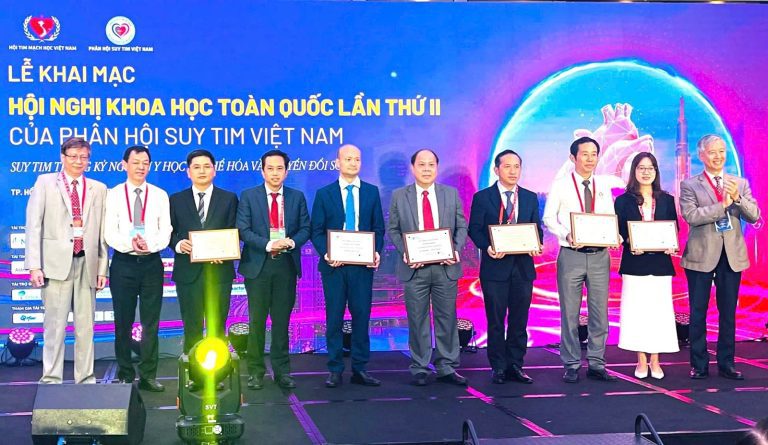
The 2nd National Scientific Conference on Heart Failure, held in Ho Chi Minh City on December 13, focused on the strategic application of personalized medicine and digital transformation in disease management. The event brought together nearly 500 leading cardiology experts from both Vietnam and abroad.

Deputy Minister of Health Nguyễn Tri Thức stated that the management and treatment of heart failure are undergoing a fundamental shift. The approach is moving from a “one-size-fits-all” model to a more precise, individualized format, driven by data and modern technology.

Heart failure is recognized as the most significant challenge in cardiovascular diseases, not only due to its high morbidity and mortality rates but also because of the heavy burden on healthcare costs and severe reduction in patients’ quality of life.

Recent advancements in cardiology, particularly in 2025, have shown a strong trajectory toward precision medicine and the extensive integration of digital technologies. Artificial intelligence, big data, and remote monitoring systems are playing a crucial role in bridging the gap between specialized hospital care and community-based management. Through continuous updates of vital data, doctors can proactively predict risk events and intervene promptly, even when the patient is not hospitalized.

The Vietnam Heart Failure Sub-Association has made commendable efforts, including successful participation in the International Heart Failure Data Project. A significant milestone was the recognition of 10 Vietnamese cardiology centers, including facilities at the primary care level, as “Quality Care Centers” by the European Society of Cardiology (ESC).

To address the critical lack of continuity in patient monitoring after hospital discharge, the Deputy Minister strongly supported the proposal to establish a National Heart Failure Database. This database is planned to expand its scope to hundreds of medical facilities nationwide, providing accurate information essential for clinical practice, health management, policy planning, and personnel training.

Furthermore, the Ministry of Health is developing 12 specialized medical databases and will consider issuing nationally standardized guidelines for the diagnosis and treatment of acute and chronic heart failure. The conference also underscored the importance of training, knowledge updates, and professional connectivity between primary healthcare and specialized levels to enhance the quality of patient care.

Source: https://suckhoedoisong.vn/thu-truong-bo-y-te-dieu-tri-suy-tim-buoc-vao-ky-nguyen-ca-the-hoa-va-chuyen-doi-so-169251213123144909.htm

Pharmaceutical Corporation Breaks Ground on Flagship US Production Center in North Carolina

0

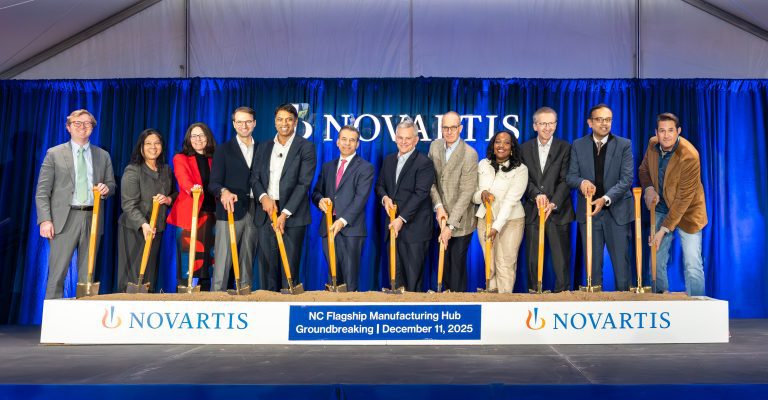
EAST HANOVER, December 12, 2025 – The global pharmaceutical corporation Novartis has commenced construction on its major strategic manufacturing center in North Carolina, moving rapidly to execute its recently announced investment. The facility, spanning over 700,000 square feet, is a vital component of the company’s planned $23 billion capital expenditure on infrastructure within the United States over the next five years.

The North Carolina project will involve building a new plant in Morrisville, establishing two new facilities within a site in Durham, and expanding an existing Novartis facility, also in Durham. This development is projected to create 700 new direct jobs in the state by 2030 and support over 3,000 indirect positions across the company’s US supply chain.

The groundbreaking ceremony was attended by key officials, including North Carolina Governor, Josh Stein, and the U.S. Food and Drug Administration (FDA) Commissioner, Marty Makary. Company leadership stated that the new center is crucial to achieving the goal of manufacturing all essential medications for US patients domestically, thereby reinforcing the supply chain.

Governor Stein highlighted that the decision to deepen roots in North Carolina validates the state’s strength in advanced life sciences and will bring in more high-quality jobs. Commissioner Makary welcomed the investment as a strong step toward making drugs for Americans in America, aligning with national security priorities. The manufacturing hub is anticipated to be fully operational between 2027 and 2028.

Significant Investment Milestones in 2025

The North Carolina groundbreaking is part of a year marked by significant expansion for Novartis in the US. Key milestones include:

  • Regulatory Approvals: The company secured five FDA approvals across oncology, neuroscience, immunology, and renal areas, underscoring its commitment to delivering new therapeutic innovations to US patients.

  • R&D Expansion: Plans were announced for a new $1.1 billion biomedical research hub in San Diego, CA, complementing the company’s existing research center in Cambridge, MA.

  • Radioligand Therapy (RLT) Manufacturing: The corporation opened a new RLT manufacturing facility in Carlsbad, CA, invested in expanding current facilities in Indiana and New Jersey, and announced plans for new plants in Florida and Texas.

  • End-to-End Production: With the flagship hub in North Carolina, the company is on track to achieve full domestic manufacturing of all its key medicines for US patients.

The U.S. remains a priority market, and the company is committed to continued growth through investments in both manufacturing and R&D to accelerate the delivery of breakthrough treatments with broad access, while simultaneously creating American jobs and supporting the US economy.

Source: https://www.globenewswire.com/news-release/2025/12/12/3204569/0/en/Novartis-breaks-ground-on-flagship-manufacturing-hub-in-North-Carolina.html

Zydus Lifesciences and Formycon Partner to Supply Keytruda® Biosimilar for Cancer Patients in US and Canada

0

Zydus Lifesciences (India) and Formycon AG (Germany) have entered into an exclusive strategic partnership to license and supply FYB206, a biosimilar version of the cancer immunotherapy drug Keytruda® (pembrolizumab), in the United States and Canada.

Under the terms of the agreement, Formycon will be responsible for completing the development of FYB206, preparing the regulatory dossier, and manufacturing the biosimilar. Zydus Lifesciences Global FZE, a wholly owned subsidiary of Zydus, will undertake the commercialization of the product in the defined territories. This partnership positions Zydus as a new entrant into the North American biosimilar market, debuting with an immunotherapy product.

FYB206 is nearing the conclusion of its clinical development phase, with primary endpoint data anticipated in the first quarter of 2026. Once the data package is finalized, Formycon will prepare and submit a Biologics License Application (BLA) to the U.S. Food and Drug Administration (FDA), with the goal of bringing the biosimilar to market and enhancing the affordability and accessibility of immunotherapy for cancer patients in need.

The collaboration capitalizes on Zydus’s extensive commercial experience and strong presence in the U.S. market, which includes the promotion of over 225 FDA-approved medicines across hospital and specialty segments. Formycon’s expertise in developing complex biosimilars for regulated markets underpins the collaboration.

Financially, Formycon will receive upfront and milestone payments in the mid-teens-million-euro range in 2025, with further payments tied to development and regulatory achievements. Upon launch, Formycon will also receive a mid-double-digit share of the gross profits generated in the U.S. and Canada.

Pembrolizumab, the reference product for FYB206, is one of the world’s top-selling oncology drugs, with global sales estimated at approximately $29.5 billion in 2024. This highlights the significant demand for effective cancer immunotherapies and the substantial opportunity this biosimilar represents.

Source: https://vohnetwork.com/news/pharma/zydus-lifesciences-and-formycon-partner-to-supply-keytruda-biosimilar-for-cancer-patients-in-us-and-canada

Novartis and UK Biotech Relation Announce R&D Collaboration

0

Novartis, the major pharmaceutical corporation, has signed a multi-program research and development partnership agreement with Relation Therapeutics, an AI-driven biotech company based in the UK. The collaboration’s goal is to identify, validate, and advance first-in-class therapeutic targets for atopic diseases, conditions that affect hundreds of millions of people globally.

Under the terms of the agreement, Relation will receive $55 million in upfront payments, equity investment, and R&D funding from Novartis. Additionally, Relation is eligible to earn up to $1.7 billion through various milestone payments (preclinical, development, regulatory, and commercial sales), along with tiered royalties on net sales of any resulting products.

Combining AI and Immuno-Dermatology Expertise

The partnership will leverage Relation’s AI-driven drug discovery platform alongside Novartis’s deep expertise in immuno-dermatology. The collaboration aims to address the unmet medical needs of patients suffering from immune dysregulation-driven conditions.

The CEO of Relation noted that the collaboration stemmed from a shared interest in using advanced functional genomics and AI to unlock new therapeutic opportunities. He emphasized that the companies’ capabilities were highly complementary and that working together could accelerate programs of mutual interest. Novartis’s leadership in integrating computation, AI, and experimental systems into drug discovery was highlighted as a key factor leading to the formal collaboration.

Capital Raise to Scale Platform

Concurrent with the Novartis deal announcement, Relation also disclosed an additional $26 million investment from its existing investors, including NVentures (NVIDIA’s venture capital arm), DCVC, and Magnetic Ventures.

This additional funding will be allocated to accelerate the next phase of Relation’s platform-enabled discovery and development work. Part of the funding will support advancing the company’s osteoporosis programs and strengthening its Lab-in-the-Loop platform by scaling both computational and experimental capabilities to broaden its impact across multiple disease areas. While bone health serves as the starting point, Relation is expanding its exploratory work into immunology and metabolic disease.

Relation’s overarching goal is to reduce the historically high failure rates in drug development by combining advanced computational tools with real-world patient data.

Moderna Partners with Nanexa to Extend Injectable Drug Efficacy

0

Moderna, the mRNA specialist, has entered a licensing agreement with Nanexa, a Swedish biotech company, to incorporate tailored release profiles into its injectable drugs. This move aligns with a broader trend in the biologics sector toward less frequent patient dosing.

Under the contract, Moderna will pay Nanexa $3 million upfront to utilize the Swedish biotech’s PharmaShell drug delivery platform for the development of five compounds. Neither company disclosed the identity of these five potential compounds.

Moderna retains the option to utilize the technology for an additional four compounds. The total value of the deal could reach $500 million for Nanexa in development and commercial milestone payments, along with royalties on any successful products resulting from the partnership that reach the market.

How the PharmaShell Mechanism Works

The PharmaShell platform functions by coating drug microparticles with a protective film made of slow-dissolving material. Currently, Nanexa uses non-toxic aluminum oxide and zinc oxide coatings. As the coating dissolves over time, the drug is released in a pre-defined manner, allowing for tailored therapeutic delivery.

Nanexa’s CEO noted that the agreement highlights the versatility of PharmaShell and its potential to address key challenges in the delivery of advanced biologics. A key advantage of the formulation is that it facilitates small injection volumes using very thin needles, especially beneficial for peptides.

The market is exhibiting a clear trend toward less frequent dosing. PharmaShell’s ability to enhance drug delivery with a high drug load and low injection volume has already attracted interest from other major pharmaceutical companies. In December 2022, Novo Nordisk signed a licensing deal with Nanexa potentially worth up to 63.3 million Swedish Krona (approximately $6.6 million).

Moderna’s Strategic Pivot

This collaboration comes as Moderna undergoes a strategic realignment. Following its significant success during the Covid-19 pandemic, the company’s revenues have declined, necessitating a shift in focus. Moderna is scaling back some of its mRNA programs to concentrate on building a large portfolio of seasonal vaccines, while also directing resources toward experimental therapeutics for cancer and rare diseases.

Source: https://www.pharmaceutical-technology.com/news/moderna-signs-deal-worth-up-to-503m-with-nanexa/?cf-view

Pfizer Continues Global Restructuring, Hundreds of Swiss Employees Affected by Layoffs

0

Pharmaceutical giant Pfizer is expanding its global cost-cutting agenda, with reports indicating that hundreds of employees in Switzerland are set to be dismissed in the coming weeks. This effort is part of a multi-year initiative designed to realign the company’s operations worldwide.

According to unofficial sources, Pfizer plans to drastically reduce its Swiss workforce from approximately 300 staff members to around 70 by the end of the year. A company spokesperson confirmed that changes are being made in Switzerland to ensure the best strategies and models are in place for delivering medicines and vaccines to patients. This involves streamlining and realigning resources to reduce complexity and optimize work in areas with the greatest impact.

Context and Savings Objectives

The downsizing in Switzerland occurs as Pfizer continues to raise its global cost-savings objectives. The company has lifted its overall savings target to $7.7 billion through 2027. Pfizer expects to realize $4.5 billion of that sum in net cost savings by the end of 2025, achieved through realigning the Research & Development (R&D) organization, reducing administrative expenses, and optimizing manufacturing operations.

This Swiss reorganization also follows the replacement of Pfizer’s long-time Swiss leader just over two months prior, with company veteran Rea Lal, who has been with Pfizer for over 16 years and previously led the access and value department, taking over the role.

Other Pharmaceutical Firms Also Adjusting Operations

Pfizer is not the only major drugmaker adjusting its operations in Switzerland. Late last month, Basel-based Novartis announced a $26 million investment to overhaul automation at its manufacturing complex in Stein. In addition, Novartis will cease manufacturing and packaging of tablets and capsules at that site by the end of 2027, resulting in approximately 550 job cuts. Concurrently, Novartis is committing to an $80 million investment at a facility in Schweizerhalle to enhance siRNA manufacturing, a project expected to create about 80 new jobs by the end of 2028.

Source: https://www.fiercepharma.com/pharma/pfizers-cost-cutting-drive-reaches-switzerland-where-company-plans-lay-hundreds-year-end

Geron Pharmaceutical Corporation Implements Second Round of Workforce Reduction

0

Geron Corporation, the pharmaceutical company based in Foster City, California, has disclosed a substantial restructuring plan that will involve laying off roughly one-third of its current workforce, which stands at 260 employees. According to a press release dated December 11, this downsizing operation is anticipated to be “substantially complete” during the first quarter of 2026.

The primary objective of this move is to lower the company’s 2026 operating expenses below the levels projected for 2025. Geron expects the savings to begin accumulating in the first three months of next year. Previously, in November, Geron had forecasted its total operating expenses for 2025 to range between $250 million and $260 million. The company also noted that it expects to incur restructuring-related charges, with further details to be disclosed in an upcoming securities filing.

Geron’s new CEO, Harout Semerjian, who took the helm in August, stated that these changes are being implemented “from a position of strength and in the spirit of prudent fiscal management.” He indicated that the leadership team had assessed the business with the goal of streamlining the organizational structure to advance the company’s strategy and generate long-term value.

Maximum Focus on Flagship Product

The restructuring follows Geron’s successful decades-long effort to secure FDA approval last June for its myelodysplastic syndromes (MDS) drug, Rytelo (imetelstat).

Mr. Semerjian reaffirmed the company’s top priorities: maximizing the launch of Rytelo in the marketplace and advancing the late-stage IMpactMF trial, which is studying the same asset in JAK inhibitor relapsed/refractory myelofibrosis. Geron is also exploring opportunities to make Rytelo available outside the United States.

Notably, the workforce reduction comes amidst significant executive turnover. The former Chief Commercial Officer (CCO) departed less than two months after Rytelo’s FDA clearance. Since then, the previous CEO resigned at the end of March, and following Mr. Semerjian’s appointment, both the Chief Operating Officer (COO) and the replacement commercial chief also exited Geron in October.

In the third-quarter earnings report, which concluded in September, Geron reported net product revenue of $47.2 million and a net loss of $18.4 million. Mr. Semerjian acknowledged that the company must continue to push to realize Rytelo’s full potential in the market.

Source: https://www.fiercepharma.com/pharma/geron-lay-13-workforce-quest-slash-operating-costs-maximize-rytelo-launch

State-of-the-Art Medical Facility Set to Launch in Ninh Binh

0

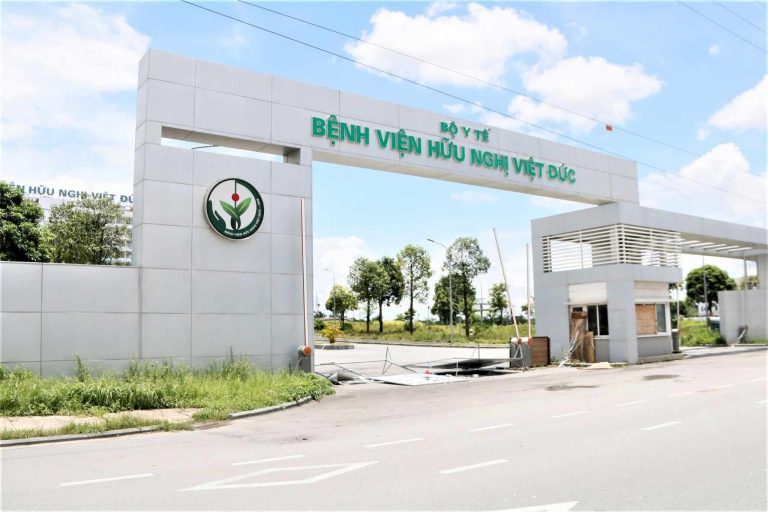
The second facility of the Vietnam – Germany Friendship Hospital, located in Ninh Binh, is preparing to commence operations starting in late December, following a delay of over a decade. With a total investment exceeding 5,000 billion VND (approximately 210 million USD) for the first phase, which includes 1,000 patient beds, this healthcare center features one of the highest per-bed investments in the country, surpassing 5 billion VND per bed.

The hospital is constructed on a 20-hectare site, featuring high ceilings, an airy environment, and the installation of a “very new” system of medical devices. Hospital leadership has noted this facility as one of Vietnam’s leading modern healthcare centers. A subsequent phase is planned to invest an additional 1,000 billion VND to acquire specialized equipment currently unavailable at the main Hanoi facility.

Operational Plan and Quality Standardization

Despite the significant physical investment, the hospital director has asserted that the success of the new facility hinges entirely on the quality of treatment and service delivery, cautioning that patients would otherwise continue to travel to Hanoi.

Personnel resources are secured, with 450 doctors and medical staff, who have undergone 6-7 years of specialized training, being deployed to Ninh Binh permanently. The guiding principle is to maintain the distinct, high-level surgical expertise and brand reputation of Viet Duc consistently across both locations.

To ensure successful adaptation and efficient resource use, Facility 2 is scheduled to begin with 300 beds, representing 30% of its designed capacity. Full operational status and direct patient treatment are targeted for no later than the first quarter of 2026. The nature of surgical specialization necessitates the completion of rigorous sterile requirements and operating room quality checks before the doors open to the public.

Significant Relief for the Hanoi Facility

The successful and stable operation of the Ninh Binh facility, maintaining quality standards equivalent to those in Hanoi, is expected to fully resolve the long-standing overcrowding issue at the main facility. Estimates indicate that 30% to 35% of all patients currently treated in Hanoi originate from Ninh Binh and surrounding provinces, a figure that directly correlates with the number of patients currently forced to share beds or use stretchers due to capacity constraints.

Currently, the Ministry of Health is proposing that the government consider a specialized operational mechanism for hospitals that maintain dual facilities in separate provinces. A critical hurdle to address is the standardization of medical service pricing between the two facilities, as prices in Ninh Binh currently require approval from the Provincial People’s Committee.

Source: https://tuoitre.vn/benh-vien-dau-tu-hon-5-ti-dong-giuong-benh-sap-di-vao-hoat-dong-2025121208352108.htm

Pharmaceutical Firm Introduces Dual-Action Therapy for Metabolic Conditions

0

Cipla Limited has unveiled a new medication, known as Yurpeak, which contains the active pharmaceutical ingredient tirzepatide. This injectable treatment is administered once every week and is indicated for managing adult patients afflicted by type 2 diabetes or chronic obesity.

The introduction is viewed as a significant development in the domestic effort to combat the growing prevalence of metabolic disorders in India.

Yurpeak is the second available iteration of tirzepatide in the Indian market. Its distribution is facilitated through a newly established partnership between Cipla and Eli Lilly and Company. The collaboration is strategically designed to ensure the medication’s availability extends past major metropolitan areas and into smaller and semi-urban localities, thereby addressing the nation’s substantial burden of high body mass index and diabetes.

Tirzepatide functions by activating both the GIP and GLP-1 receptors. This dual mechanism assists in regulating glucose levels and facilitating weight reduction. It is prescribed as a supplemental treatment alongside changes in diet and physical activity for individuals diagnosed with type 2 diabetes or those with chronic obesity (defined as a Body Mass Index of 30 or higher, or a BMI of 27 or higher with associated weight-related health issues).

The product is supplied via prescription in KwikPen pre-filled injectors, offering six distinct dosage options, ranging from 2.5 milligrams to 15 milligrams, allowing for personalized patient care. Furthermore, Cipla commits to providing educational materials and programs for patients, focusing on accurate self-administration, correct dosage procedures, and the necessity of informed discussions with medical practitioners.

Source: https://vohnetwork.com/news/pharma/cipla-rolls-out-yurpeak-tirzepatide-to-tackle-obesity-and-type2-diabetes

European Pharma Giants Sanofi and GSK Enter Preclinical Collaboration Deals

0

Rival European pharmaceutical companies Sanofi and GSK have both forged new partnership agreements aimed at strengthening their respective preclinical research efforts.

Sanofi: Focus on Autoimmune Disease

  • Sanofi (Paris-based) has partnered with InduPro Therapeutics, a preclinical biotech located in the US.

  • Collaboration Details: Sanofi has made an equity investment in InduPro and will provide funding for and collaborate on Investigational New Drug application (IND)-enabling studies for InduPro’s bispecific PD-1 agonist antibodies.

  • Benefits: In return, Sanofi retains a first-look option to license any successfully developed candidates arising from the collaboration.

  • Lead Candidate: InduPro’s lead autoimmune bispecific, IDP-003, targets PD-1 and T-cell antigen 2. InduPro CEO Dr. Prakash Raman called Sanofi the ideal partner to advance this promising first-in-class molecule.

GSK: Focus on Cancer Antibody Discovery

  • GSK (London-based) has teamed up with UK-based Oxford BioTherapeutics (OBT).

  • Objective: GSK will utilize OBT’s platform to discover potential targets for first-in-class cancer antibodies.

  • Financial Terms: OBT is receiving an upfront payment, with eligibility for future milestones and royalties depending on the collaboration’s success.

  • Role Allocation: If promising targets are identified, GSK will assume all responsibility for subsequent research, development, and commercialization.

  • Technology Platform: GSK was reportedly drawn to OBT’s “best-in-class proteomics platform,” named OGAP-Verify. This marks OBT’s second major collaboration this year, following a deal with Roche potentially worth up to $1 billion in May 2024.

Both partnerships were announced by the respective biotech partners on December 10, though specific financial details for either agreement were not disclosed publicly.

Source: https://www.fiercebiotech.com/biotech/sanofi-gsk-ink-preclinical-pacts-quest-new-autoimmune-and-cancer-antibodies

Novartis Reports Positive Phase III Trial Data for Ianalumab in Immune Thrombocytopenia

0

Novartis has announced favorable outcomes from the Phase III clinical trial VAYHIT2, which assessed the efficacy of ianalumab combined with eltrombopag for treating patients with primary immune thrombocytopenia (ITP) who had received prior corticosteroid treatment.

  • Disease Control Efficacy:

    • The trial results indicated that four once-monthly doses of ianalumab (9mg/kg), plus eltrombopag, extended disease control by 45%, based on the Time to Treatment Failure (TTF), compared to placebo plus eltrombopag.

    • The median TTF for the ianalumab plus eltrombopag group was 13.0 months, which is 2.8 times longerthan the 4.7 months observed in the placebo group.

  • Secondary Endpoint: At six months, 62% of patients receiving ianalumab at the 9mg/kg dose achieved sustained improvements in platelet counts, compared to 39% in the placebo group, thereby meeting the key secondary endpoint.

  • Quality of Life Improvement: Patients in the ianalumab group reported a mean reduction in fatigue of 7.7 points on the PROMIS Fatigue scale, compared to a 3.6-point reduction among those receiving placebo.

Dual Mechanism of Action and Safety Profile

Novartis global head of oncology development, Mark Rutstein, explained that ITP results from an autoimmune response driven by B cells, leading to platelet destruction. The novel dual mechanism of action of ianalumab aims to deplete B cells while simultaneously blocking their survival signals.

  • Dosing: VAYHIT2 tested two ianalumab doses. The 9mg/kg dose demonstrated statistically significant improvements in both the primary and key secondary endpoints, while the 3mg/kg dose achieved significant improvement in the primary endpoint.

  • Safety Profile: Ianalumab was observed to be well tolerated, and no new safety signals were reported. The most common adverse events were infusion-related reactions and headache. Neutropenia was noted more frequently with ianalumab but resolved without intervention.

VAYHIT2 marks the third positive Phase III study for ianalumab, following previous trials in adults with active Sjögren’s disease. Novartis plans to submit the data from VAYHIT2, alongside results from the ongoing first-line ITP trial (VAYHIT1), in 2027.

Source: https://www.worldpharmaceuticals.net/news/novartis-reports-positive-data-from-vayhit2-trial-for-immune-thrombocytopenia/