Monday, April 6, 2026
Home Blog Page 6

Strategic Alliance: French Pharmaceutical Group Partners with Major Drugstore Chain

0

A reputable pharmaceutical corporation from France, with over seven decades of experience in the research, production, and distribution of healthcare products, has announced the signing of a comprehensive cooperation agreement with a leading retail drugstore chain in Vietnam. The strategic signing event took place on the morning of December 03, 2025.

Rising Demand for International Standard Healthcare

The partnership occurs against the backdrop of Vietnamese consumers increasingly focusing on holistic health, prioritizing prevention, and quality of life improvement, particularly concerning digestive health and the immune system. This trend fuels the demand for healthcare products with transparent origins, scientifically proven efficacy, and adherence to international quality standards. Pharmaceutical products from Europe, notably France, are highly trusted due to their strict quality control procedures.

The market reveals significant potential for specialized, safe, and sustainable healthcare solutions, addressing practical needs such as digestive support for children, immune enhancement, physiological cycle care for women, and chronic pain management for the elderly. The official presence of major French pharmaceutical enterprises is expected to contribute to the modernization and personalization of Vietnam’s healthcare sector.

Comprehensive Cooperation to Ensure Quality

The strategic agreement between the two entities will focus on enhancing the distribution of healthcare products manufactured by the French Group under European standards, utilizing the retail partner’s extensive nationwide pharmacy network.

The representative of the French Group expressed confidence that this partnership with an influential pharmaceutical retail chain in Vietnam will double their strength in delivering high-quality products to the Vietnamese people.

Meanwhile, the retail chain’s representative emphasized that, as a market leader, their mission is not only to supply genuine medicines but also to make strategic investments in programs that raise awareness about nutrition and sustainable living. The core objective is to empower consumers to be more proactive and comprehensive in their self-care.

Stature and Foundations of the Involved Parties

The French Pharmaceutical Group, through its Vietnam subsidiary established in 2025, is executing a strategic expansion into Asia. The Group is a global leader in probiotics, particularly known for the Saccharomyces boulardii CNCM I-745 strain. The Vietnamese subsidiary’s mission is to bring international-standard microbiome health solutions closer to the Vietnamese population.

The Vietnamese Retail Drugstore Chain, with over 13 years of development, has solidified its leading position in the pharmaceutical retail market. The company operates a network of over 1,000 GPP-standard drugstores across 42 provinces and cities, supported by a team of nearly 5,000 highly qualified pharmacists, committed to providing dedicated health care services and convenient shopping experiences for all customers.


Source: https://cafef.vn/tap-doan-duoc-pham-phap-biocodex-ky-ket-hop-tac-chien-luoc-voi-pharmacity-188251205191631576.chn

Pharmaceutical Update: Regulatory Body Approves and Renews Nearly 600 Drug Licenses

0

The Pharmaceutical Management Agency under the Ministry of Health of Vietnam has announced a new list of approximately 600 drug products and active pharmaceutical ingredients (APIs), both domestically produced and foreign, that have been newly granted or had their marketing authorization licenses renewed. This action aims to ensure supply for public healthcare and epidemic prevention efforts.

Out of the total number of nearly 600 approved products, the breakdown is as follows:

  • Domestically Manufactured Products:

    • 404 drug products were newly granted marketing authorization licenses.

    • 42 drug products had their licenses renewed (including 26 drugs/APIs renewed for 5 years and 14 drugs/APIs renewed for 3 years).

  • Bioequivalent Drugs:

    • 98 drugs were announced with demonstrated bioequivalence evidence.

The approved products cover a wide range of pharmacological groups, including medicines for treating respiratory infections, osteoarthritis, cardiovascular conditions, hypertension, diabetes, cancer, as well as antiviral drugs, antibiotics, analgesics, and anti-inflammatory agents.

Compliance Responsibilities for Pharmaceutical Businesses

The regulatory agency has imposed several mandatory requirements on drug manufacturers and registration holders to maintain the quality and safety of products circulated in the market:

  • Production Standards: Companies must manufacture drugs strictly according to the dossiers and documents registered with the Ministry of Health.

  • Labeling: The registration number granted by the Ministry of Health must be printed or affixed onto the drug label.

  • Legal Compliance: Full adherence to all current Vietnamese laws and regulations concerning drug manufacturing and distribution.

  • Condition Maintenance: Manufacturing and registration facilities must continuously ensure all operating conditions are maintained throughout the validity period of the marketing authorization license.

  • Post-Market Surveillance: Close coordination with treatment facilities is required to monitor the safety, efficacy, and adverse drug reactions in Vietnamese patients, followed by regulated reporting.

  • Label Updates for Renewals: For renewed drugs that have not yet submitted updated drug label content and package inserts as required, the update process must be completed within 12 months from the date the license was renewed.

Expanding Horizons: The Growth Journey of a Private Healthcare Group

0

The establishment of a specialized obstetrics and gynecology facility in Can Tho led to the formation of a healthcare group with a national expansion focus. The group’s founder, Dr. Nguyen Thi Ngoc Ho, has steered the system through the general difficulties faced by the private healthcare sector to enter the Ho Chi Minh City (HCMC) market in 2024.

The group’s fourth member, Phuong Nam Hospital, opened in HCMC in March 2024. This new facility, along with the three existing hospitals in Can Tho, Dong Thap, and Soc Trang, is built on over two hectares, featuring a nine-story design and a capacity of over 120 beds. The hospital adheres to international standards like JCI and ISO 15189, focusing on developing a comprehensive healthcare ecosystem centered around its core departments: Obstetrics – Gynecology, Pediatrics, and Assisted Reproductive Technology (IVF). The group aims to provide complete reproductive health care services while gradually expanding into specialized multi-disciplinary care. The average occupancy rate remains high, at about 75%.

Professional Excellence and International Vision

The group’s IVF system reports positive outcomes, with the average pregnancy rate from single frozen embryo transfer reaching 79% (2022–2024), surpassing the international scientific average of 40–45%. This success has attracted both domestic and international clients, including couples from Australia and the United States seeking IVF treatment. To date, the group has supported the birth of 4,510 babies through assisted reproductive methods.

The group is one of the few global healthcare systems and the first in Southeast Asia to achieve the JCI Enterprise certification (an international recognition for the quality and safety of a hospital system) in late 2024. The commitment to consistently pursuing this international standard from the outset is a key strategy that helps create a competitive advantage and enhances credibility with patients, investors, and international partners.

Driving Forces and Management

The group’s inception stems from Dr. Ngoc Ho’s desire to build an international-standard hospital that provides high safety for mothers and babies, addressing the frequent overcrowding in public medical facilities.

The first hospital in Can Tho was inaugurated in December 2010 with an initial investment of $25 million. Despite facing early challenges in social trust, human resources, and finance, the hospital achieved operational break-even by its second year of activity.

Throughout its development, the group considers people the most crucial factor, emphasizing continuous training and professional development for its staff. The founder’s background as a medical doctor with deep expertise is seen as an advantage in decision-making and leading the team in implementing innovations.

With an expansionary vision, the group secured a $116 million investment from the UK-based investment fund CVC Capital Partners in 2022. The group plans to open two more hospitals by 2030, reflecting its ambition to professionalize private healthcare services with systematic quality and management standards.

Source: https://forbes.vn/tap-doan-y-te-phuong-chau-va-duong-ra-bien-lon

European Authorities Clear Novel Autoimmune Therapy for Myasthenia Gravis

0

The European Commission has granted authorization for nipocalimab, an immunoglobulin G (IgG) receptor antagonist developed by Johnson & Johnson, for the management of generalized myasthenia gravis (gMG). This landmark decision permits the use of the medicine in patients who are 12 years of age and older and whose condition is characterized by the presence of anti-acetylcholine receptor (AChR) or anti-muscle-specific kinase (MuSK) antibodies.

The clearance establishes the drug as the initial therapy in the class of Fc receptor blockers available to both adults and younger individuals across the European Union. Previously approved treatments in this category, namely products from Argenx and UCB, are only authorized for the adult population within the EU market. The new treatment is administered through an infusion into a vein bi-weekly. In contrast, existing market options are typically delivered as a weekly injection beneath the skin.

This regulatory milestone was supported by efficacy data gathered from two clinical programs: the Phase 3 Vivacity-MG3 study involving adult participants and the Phase 2/3 Vibrance-MG study for adolescents. The trials showed that adding the drug to existing therapeutic regimens successfully decreased the concentration of pathological auto-antibodies in patients.

Generalized myasthenia gravis is a progressive autoimmune illness that manifests as profound muscle weakness, potentially impairing vital functions such as breathing, articulation, and deglutition (swallowing). It is estimated that this condition affects between 56,000 and 123,000 individuals across the European continent. The majority of antibody-positive gMG cases, over 90%, involve either anti-AChR or anti-MuSK positivity.

Johnson & Johnson secured the rights to nipocalimab through its acquisition of Momenta Pharmaceuticals in 2020, a transaction valued at $6.5 billion. Beyond gMG, the compound is currently undergoing clinical assessment for several other immune-mediated disorders, including but not limited to systemic lupus erythematosus (SLE) and rheumatoid arthritis. The pharmaceutical firm projects that the product has the potential to generate annual sales exceeding $5 billion, a figure that would help mitigate the impending revenue decline resulting from the loss of patent protection for key revenue drivers like the immunology drug ustekinumab.

Source: https://pharmaphorum.com/news/jj-gets-eu-approval-imaavy-gmg

Eli Lilly Secures Experimental Cancer Therapy from Scorpion in Up-to-$2.5 Billion Deal

0

Eli Lilly announced its plan to acquire an experimental cancer therapy from Scorpion Therapeutics for a total consideration of up to $2.5 billion in cash, aiming to significantly expand its oncology pipeline.

The core asset in the agreement is STX-478, an oral treatment currently undergoing early-stage clinical trials. This therapy is being developed for use against breast cancer and other advanced solid tumors.

The deal structure includes an upfront payment to Scorpion, followed by contingent payments tied to the achievement of specified regulatory approvals and subsequent sales milestones.

As part of the transaction, Scorpion Therapeutics will establish a new, independent entity to house all its pipeline assets and employees not related to the PI3K pathway. This newly formed company will be owned by Scorpion’s existing shareholders, with Eli Lilly also holding a minority equity stake.

A representative from Lilly Oncology stated that the company looks forward to capitalizing on the progress made by the Scorpion team and combining it with Lilly’s established expertise in breast cancer to rapidly advance STX-478 through development.

📰 Novartis Acquires Anthos Therapeutics for Up to $3.1 Billion to Boost Cardiovascular Pipeline

0

The Swiss pharmaceutical giant Novartis has reached an agreement to acquire Anthos Therapeutics, a biopharmaceutical firm majority-owned by the life sciences unit of Blackstone, for a total value of up to $3.1 billion. The transaction is expected to conclude in the first half of this year.

Novartis will pay $925 million upfront, with contingent payments potentially reaching an additional $2.15 billion upon the achievement of specific development milestones. Blackstone confirmed that this represents the largest sale to date of a majority-owned company originating from its Life Sciences business.

Anthos was co-founded by Novartis and Blackstone’s Life Sciences business in 2019 specifically to develop and commercialize abelacimab, an investigational therapy aimed at preventing strokes and the recurrence of blood clots.

The acquisition underscores Novartis’s continued commitment to cardiovascular therapies, one of its five key focus areas, as its top-selling heart failure drug, Entresto, is set to lose patent protection this year. Furthermore, the deal concludes a notable partnership between a major drug developer and a private equity firm, highlighting a successful application of an emerging funding model in the biopharma industry.

Abelacimab belongs to a novel class of Factor XI inhibitors. These drugs are designed to compete with established, multi-billion dollar blood thinners currently marketed by companies like Bristol Myers-Squibb/Pfizer (Eliquis) and Johnson & Johnson/Bayer (Xarelto).

Anthos is currently conducting several Phase 3 clinical studies for abelacimab, with data anticipated in the second half of 2026. Novartis confirmed that it already held a minor equity interest in Anthos prior to the agreement. The Factor XI inhibitor class is also a target for competitors, with Bristol-Myers Squibb/Johnson & Johnson advancing milvexian and Merck & Co. progressing a mid-stage candidate.

Source: https://www-reuters-com.translate.goog/markets/deals/novartis-agrees-acquire-anthos-up-31-bln-2025-02-11/?_x_tr_sl=en&_x_tr_tl=vi&_x_tr_hl=vi&_x_tr_pto=tc

Merck Finalizes $3.4 Billion Acquisition, Enhancing Rare Tumor Portfolio

0

Merck has successfully completed its previously announced $3.4 billion acquisition of SpringWorks Therapeutics, a biopharmaceutical company based in Stamford, Connecticut. The deal, which was first made public in April 2025, closed after receiving necessary regulatory approvals.

The integration is projected to immediately boost Merck’s revenue and positively impact its earnings per share (EPS pre) starting in 2027. This move aligns with Merck’s strategic goal of strengthening its healthcare division in the US and globally through targeted acquisitions of innovative compounds. The acquisition will allow SpringWorks to utilize Merck’s vast global resources to access markets outside the US.

SpringWorks brings a valuable pipeline focused on rare tumors with limited treatment options. Key therapies include:

  • OGSIVEO (nirogacestat): Approved by the US Food and Drug Administration (FDA) for adult patients with progressing desmoid tumors. The European Medicines Agency’s human medicines committee (CHMP) also recently issued a favorable opinion recommending its approval.

  • GOMEKLI (mirdametinib): The only FDA-approved therapy for both adult and pediatric patients (aged two and over) with neurofibromatosis type 1-associated plexiform neurofibromas. The CHMP also endorsed its approval in May 2025.

The acquisition of SpringWorks represents the largest M&A transaction for Merck’s Healthcare business sector in nearly 20 years. Merck’s CEO affirmed the company’s commitment to identifying further M&A opportunities across all three business sectors, prioritizing long-term value creation.

The combined portfolios aim to address significant treatment gaps for patients with rare tumors. Merck also holds global rights to pimicotinib, an investigational therapy for tenosynovial giant cell tumor being developed with Abbisko Therapeutics.

Following the closure of the transaction, Merck assumes full ownership, and SpringWorks’ shareholders receive $47 per share in cash, with the company’s shares ceasing trade on Nasdaq.

Source: https://www.worldpharmaceuticals.net/news/merck-completes-3-4bn-acquisition-of-springworks-therapeutics/?cf-view

Roche Commits $3.5 Billion to Bolster MASH Portfolio via 89bio Acquisition

0

Roche has announced its plan to acquire 89bio, a San Francisco-based biotechnology firm, in a strategic move valued at approximately $3.5 billion. The agreement includes an upfront cash payment of $14.50 per share, totaling $2.4 billion, with shareholders eligible for an additional $6.00 per share tied to achieving specific commercial and sales milestones. The transaction is anticipated to conclude in the fourth quarter of 2025.

The primary asset driving the acquisition is pegozafermin, 89bio’s flagship drug candidate. Pegozafermin is an analogue of fibroblast growth factor 21 (FGF21) and is currently undergoing Phase III clinical trials for the treatment of moderate to severe Metabolic Dysfunction-associated Steatohepatitis (MASH).

This acquisition is central to Roche’s broader ambition to establish itself as a leader in the treatment of cardiovascular and metabolic (CVRM) diseases. A company spokesperson emphasized that the deal provides Roche with a competitive edge by securing an FGF21 analogue with a unique mode of action and a promising safety profile for MASH patients. Roche sees the potential for pegozafermin to excel as a monotherapy and to be integrated into combination therapies, creating valuable synergies with the company’s existing CVRM portfolio.

While the company refrained from commenting on exact revenue forecasts, it expressed confidence that pegozafermin has the potential to become a large, multi-billion dollar commercial opportunity. An analyst at RBC Capital Markets independently projects that the drug could reach $2.1 billion in peak annual sales.

The purchase of 89bio builds upon Roche’s recent strategic focus on CVRM, following earlier investments and collaborations with entities like Alnylam, Carmot, and Zealand Pharma. The acquisition also aligns with Roche’s strategy to strengthen its pipeline through external innovation in defined therapeutic areas.

Furthermore, the investment is part of a larger push by Roche to consolidate its market position in the United States, where the company is committing $50 billion over five years to pharmaceutical and diagnostics sectors. Roche emphasized its long-standing roots and comprehensive operations—including research, development, and production facilities—across the US.

Source: https://www.bioxconomy.com/partnering/roche-invests-3-5bn-to-mash-fatty-liver-disease

Novo Nordisk Secures Key MASH Therapy in $5.2 Billion Strategic Deal

0

Global pharmaceutical giant Novo Nordisk has significantly strengthened its position in the treatment landscape for Metabolic Dysfunction-associated Steatohepatitis (MASH) with the planned acquisition of Akero Therapeutics for up to $5.2 billion. The Danish company agreed to pay approximately $4.7 billion upfront, reflecting the urgency and high value placed on the target asset.

The core of the deal is efruxifermin (EFX), a Phase III fibroblast growth factor 21 (FGF21) analogue developed by Akero. EFX is currently in late-stage clinical trials for the treatment of moderate to advanced liver fibrosis (F2-F3) and cirrhosis (F4) due to MASH.

Key Clinical Data Driving the Valuation: EFX’s strong clinical profile, particularly in advanced liver disease, was the primary factor for the high price. Preliminary 96-week data from the Phase IIb SYMMETRY trial showed that 39% of patients treated with 50 mg EFX achieved reversal of cirrhosis (F4) with no worsening of MASH, compared to 15% in the placebo group. This performance in the late-stage F4 segment, coupled with positive results in the F2-F3 group (HARMONY trial), positions EFX as a potential “leading treatment option,” according to Novo Nordisk’s leadership.

The company already markets Wegovy (semaglutide), a GLP-1 agonist, which received FDA approval for MASH treatment in adults with moderate-to-advanced liver fibrosis (F2-F3). However, EFX is anticipated to offer greater efficacy than incretins (like Wegovy) in more advanced fibrosis cases.

Escalating MASH Market Competition: The acquisition occurs amidst fierce competition in the MASH space:

  • Madrigal Pharmaceuticals holds the first-to-market advantage with the accelerated approval of Rezdiffra™(resmetirom) for noncirrhotic MASH (F2-F3).

  • Roche recently moved to expand its pipeline by agreeing to acquire 89bio for up to $3.5 billion, securing another Phase III FGF21 analogue, pegozafermin. Regulatory filings suggest Roche intensified its due diligence on 89bio after reviewing Akero’s positive EFX data.

  • GlaxoSmithKline (GSK) also entered the space in July, acquiring the Phase IIb candidate efimosfermin for up to $2 billion.

Analysts suggest Novo Nordisk is the ideal fit for EFX due to its deep expertise in metabolic indications, setting it apart from competitors less focused on the MASH sector.

Investor Reaction and Deal Terms: Despite the strategic value, Akero’s stock saw only a moderate 16% surge on the news, a smaller jump than typically seen in major biotech buyouts. The deal offers investors an upfront payment of $54 per share plus a non-transferable contingent value right (CVR) of an additional $6 per share tied to EFX’s U.S. regulatory approval for compensated cirrhosis (F4) by mid-2031. Novo Nordisk’s own shares on NASDAQ Copenhagen saw a slight decline following the announcement of its largest-ever merger-and-acquisition deal.

Intellia Leads Surge in Gene Editing Stocks Following Positive Clinical Data

Breakthrough Therapy Designation Boosts BeOne; Tvardi Plummets After Disappointing IPF Results

The broader biopharma market experienced significant movements driven by clinical data releases:

  • Intellia Therapeutics shares jumped 19% last week after presenting positive clinical updates on two key gene editing candidates.

    • Lonvoguran ziclumeran (lonvo-z), targeting hereditary angioedema (HAE), demonstrated durable efficacy in Phase I/II, with the 50 mg dose achieving a complete response in 70% of patients. Lonvo-z is now in the fully enrolled Phase III trial, with regulatory submission expected in the second half of 2026.

    • Nexiguran ziclumeran (nex-z), for hereditary transthyretin amyloidosis (ATTRv-PN), showed “rapid, deep, consistent, and durable” reduction in serum TTR levels (mean 92% at 24 months) and demonstrated improvements in patient neuropathy scores.

    • Other gene editing stocks, including Prime Medicine, Editas Medicine, and CRISPR Therapeutics, also registered significant monthly gains.

  • BeOne Medicines (formerly BeiGene) shares rocketed 70% after the FDA granted Breakthrough Therapy Designation for its next-generation BCL2 inhibitor, sonrotoclax, for treating relapsed or refractory mantle cell lymphoma (MCL). The decision was based on data from a Phase I/II trial.

  • In contrast, Tvardi Therapeutics stock cratered 84% after the company reported preliminary data from its Phase II REVERT trial assessing TTI-101 in idiopathic pulmonary fibrosis (IPF). The analysis showed no statistically significant differences in efficacy between the treatment and placebo arm.

Source: https://www.genengnews.com/topics/translational-medicine/stockwatch-novo-nordisk-raises-mash-bet-with-up-to-5-2b-akero-acquisition/

Merck Finalizes $10 Billion Acquisition of Verona Pharma with No Competing Bids

0

Merck successfully completed its $10 billion acquisition of Verona Pharma last month, a deal notable for the absence of a competitive bidding process. According to a filing by the British company with the Securities and Exchange Commission, Merck was the sole entity to submit a formal offer for the company.

The lack of competitive interest is surprising, considering Verona had secured a significant FDA approval a year prior for its medicine, Ohtuvayre. This treatment, administered twice daily via a hand-held nebulizer, is the first new option for chronic obstructive pulmonary disorder (COPD) in over a decade. The drug received favorable regulatory clearance for use either as a standalone therapy or in combination with other COPD maintenance drugs, with annual peak sales potential projected at up to $5 billion.

Verona’s attempts to attract potential partners or acquirers, starting in early 2023, yielded minimal results. Outreach conducted by Verona and its investment advisors drew interest from only one unidentified third party in July 2023, which signed a nondisclosure agreement but ultimately never made an offer. A subsequent round of outreach, beginning in December 2023, failed to attract any substantial interest for over a year.

Discussions with Merck intensified in February of the current year, leading to a new nondisclosure agreement. The engagement, including meetings with Merck’s Human Health International chief, initially centered on potential collaboration or ownership rights for Ohtuvayre within specific territories. Separately, in early June, Verona received nonbinding term sheets from multiple third parties regarding a potential collaboration, but these documents did not constitute formal offers to acquire.

The transaction was finalized quickly after Merck submitted a firm offer of $104 per share on July 3, setting a five-day deadline. Following a counteroffer of $112 per share from Verona, Merck raised its bid to $107 per share. The companies ultimately reached an agreement on July 8. The agreed-upon price represented a 23% markup on Verona’s market close price that day and a 39% premium over the company’s 60-day volume-weighted average price.

This acquisition is the second-largest biopharma deal this year, following Johnson & Johnson’s purchase of Intra-Cellular Therapies for $14.6 billion—another transaction reportedly secured by a lone bid. Merck’s investment is consistent with its strategy to diversify its pipeline and mitigate the future revenue impact from the loss of exclusivity for its major cancer drug, Keytruda, which currently accounts for over half of the company’s revenue. Merck has recently pursued several large-scale acquisitions, including Acceleron ($11.5 billion in 2021) and Prometheus ($10.8 billion in 2023).

Source: https://www.fiercepharma.com/pharma/its-10b-buyout-verona-merck-was-lone-ranger

Johnson & Johnson Expands Neuroscience Portfolio with $14.6 Billion Acquisition

0

Global healthcare leader Johnson & Johnson (J&J) commenced the J.P. Morgan Healthcare Conference by announcing its intent to acquire Intra-Cellular Therapies in an all-cash transaction valued at $14.6 billion. The offer to purchase all outstanding shares stands at $132 per share, representing a premium of approximately 39% over Intra-Cellular’s closing stock price from the previous Friday.

Intra-Cellular, a biopharmaceutical firm specializing in treatments for central nervous system (CNS) disorders, focuses on developing and marketing products in this therapeutic area. The 23-year-old company’s market capitalization had seen significant growth, doubling since late 2022 to approximately $10 billion prior to the announcement.

The core value of the acquisition centers on Intra-Cellular’s key marketed product, Caplyta (lumateperone), a treatment for schizophrenia and bipolar depression. The therapy generated $481 million in revenue for the first nine months of 2024, marking a 45% increase year-over-year. Analysts anticipate that Caplyta’s potential approval for treating major depressive disorder (MDD) could significantly boost its sales outlook, with some projections reaching a peak of $6 billion.

The timing of the deal follows a favorable legal development for Intra-Cellular. A recent patent settlement extended Caplyta’s market exclusivity until 2040, a significant increase from the previous expiration date of 2036. This extension was noted by financial analysts as a factor that likely enhanced the company’s appeal as a strategic target and added substantial long-term value to Caplyta’s revenue potential.

J&J’s CEO stated that the acquisition is expected to differentiate the company’s portfolio, acting as a strategic growth catalyst for both the near and long term. This move marks the largest acquisition of a biotech company since Pfizer’s purchase of Seagen in March 2022, and the largest in the biopharma sector since Novo Nordisk acquired Catalent in February 2024. The latest deal continues a trend of major strategic purchases by J&J, including the acquisitions of Shockwave Medical and Abiomed in the medtech space in recent years.

Source: https://www.fiercepharma.com/pharma/johnson-johnson-makes-jpm-splash-buying-out-intra-cellular-146b

Pharmaceutical Giant Finalizes Acquisition of Obesity Drug Developer

0

The global pharmaceutical corporation Pfizer Inc. has announced the successful conclusion of its acquisition of the clinical-stage biotechnology firm, Metsera, Inc. This transaction formally establishes Metsera as a wholly owned subsidiary of Pfizer. Following the market close on the day of the acquisition, Metsera’s common stock ceased trading on the NASDAQ exchange.

Metsera specializes in the research and development of next-generation medicines targeting obesity and cardiometabolic diseases.

According to statements from Pfizer’s Chairman and Chief Executive Officer, the acquisition is a deliberate, strategic decision to invest resources into one of the most impactful and high-growth therapeutic areas in medicine’s future. The stated objective is to integrate Metsera’s innovative research pipeline with Pfizer’s global infrastructure for development, manufacturing, and commercialization, accelerating the delivery of promising therapies to patients worldwide.

The agreement adds a range of promising therapeutic candidates, strengthening Pfizer’s existing Internal Medicine pipeline. Notable candidates include:

  • MET-097i: A weekly or monthly injectable GLP-1 receptor agonist (RA), positioned to commence Phase 3 development.

  • MET-233i: A monthly amylin analog candidate, currently under evaluation in Phase 1 as both a monotherapy and in combination with MET-097i.

  • An oral GLP-1 RA candidate also in Phase 1 development.

  • Several preclinical nutrient-stimulated hormone therapeutics.

Pfizer paid $65.60 in cash for each outstanding share of Metsera’s common stock, valuing the enterprise at approximately $7.0 billion. Metsera shareholders are also eligible for up to an additional $20.65 per share via a Contingent Value Right (CVR), contingent upon the achievement of three specified clinical and regulatory milestones.

The company disclosed that the transaction is projected to be dilutive to earnings through 2030, primarily due to the necessary further investment in several late-stage pipeline candidates. An update to Pfizer’s financial outlook will be provided later this year, coinciding with the 2026 guidance release.

Source: https://www.businesswire.com/news/home/20251112938725/en/Pfizer-Completes-Acquisition-of-Metsera

Vetter Managing Director to Retire Following Over Three Decades of Service

0

Vetter, a globally leading Contract Development and Manufacturing Organization (CDMO), has announced the retirement of its Managing Director, Thomas Otto, after more than 35 years with the company. Mr. Otto will officially step down from his position at the end of 2025.

Through his leadership and commitment, Mr. Otto has been instrumental in shaping the sustainable development and continued growth of the organization during his tenure.

During the transitional period, Mr. Otto will continue to serve in an advisory capacity, providing consultation on the planned development of a new production site in Germany.

The company has already prepared for the transition. Earlier in 2025, long-term experienced Vetter executives Henryk Badack, Titus Ottinger, and Carsten Press were appointed as Managing Directors to the Management Board. Their in-depth understanding of the company, its clientele, and the industry is expected to significantly contribute to Vetter’s sustainable future.

Senator h.c. Udo J. Vetter, Chairman of the Advisory Board and a member of the owner family, expressed gratitude for Mr. Otto’s contributions: “His contribution to Vetter’s development and internationalization is outstanding and deserves the highest recognition. For more than three decades, he was a reliable designer, initiator and bridge builder. On behalf of the Vetter family and the advisory board, I would like to thank him for his extraordinary commitment and lasting impact on our success story.”

Source: https://www.contractpharma.com/breaking-news/vetter-managing-director-to-retire/

New Study Suggests Shingles Vaccine May Slow Cognitive Decline

0

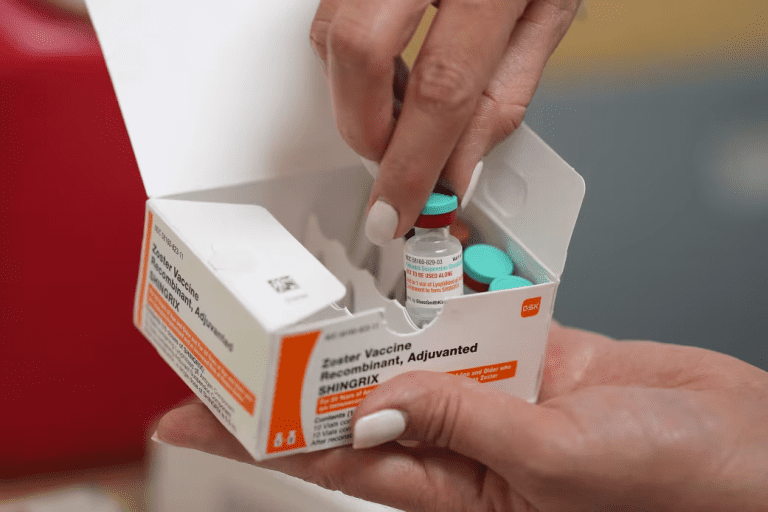
A new follow-up study, published in the journal Cell, adds evidence that the shingles vaccine, a two-dose shot recommended for adults 50 and older to protect against the painful viral infection, may offer benefits beyond typical prevention.

The research suggests the vaccine could possess therapeutic properties against dementia by slowing the progression of the disease, leading to a reduced risk of dying from the condition.

Preventive and Therapeutic Potential

Dr. Pascal Geldsetzer, assistant professor of medicine at Stanford University and senior author of the new study, called the finding unexpected and exciting. He noted: “That means that the vaccine doesn’t just have a preventive potential, but actually a therapeutic potential as a treatment, because we see some benefits already among those who have dementia.”

This new research builds upon a previous study by the same team, which had already found evidence that shingles vaccination may offer a “dementia-preventing” or “dementia-delaying” effect.

Unique Study Design

Both studies analyzed the health records of over 282,500 older adults in Wales, where a shingles vaccination program was introduced in September 2013. The program had unique age-eligibility rules: people who were 79 were eligible for the vaccine for one year, while those 80 or older were not.

This minimal difference in age allowed researchers to compare two groups who should be largely similar in all other characteristics (physical activity, diets, etc.), differing only in the probability of being vaccinated. This design helps researchers be more confident that the link observed represents a cause-and-effect relationship rather than mere correlation. The researchers also analyzed similar health records in Australia to strengthen their findings.

Key Findings

  • Reduced Mild Cognitive Impairment (MCI): Among older adults with no prior record of cognitive impairment, those who received the shingles vaccine saw a 3.1 percentage point reduction in their risk of being newly diagnosed with MCI over a nine-year period, compared to the unvaccinated group. This protective effect appeared stronger in women.

  • Reduced Mortality Risk: Among older adults already living with dementia, those who received the shingles vaccine experienced a 29.5 percentage point drop in their risk of dying due to the disease over a nine-year period, suggesting the vaccine may play a role in slowing dementia progression.

Potential Mechanisms

While the study did not pinpoint the exact mechanism, Dr. Geldsetzer offered two main theories:

  1. Reduced Inflammation: The virus that causes shingles (varicella-zoster) remains dormant in the nervous system, and its reactivation causes constant interaction with the immune system and leads to inflammation. Since inflammation is a key process in dementia, reducing these reactivations through vaccination might offer benefits.

  2. Overall Immune System Boost: The vaccine may provide a broad boost to the immune system, strengthening the body’s ability to fight off infections in general. A growing body of research links various infections to increased dementia risk, so a stronger immune response could help lower that risk.

Evaluation and Next Steps

Other scientists view the study as a crucial advance, as it provides the closest to causal evidence possible for the shingles vaccine’s benefits.

However, experts note that the findings may not generalize to newer, more widely used vaccines and stress the need for future mechanistic studies and a randomized clinical trial to “conclusively test” this link before vaccination can be recommended solely for the purpose of dementia risk reduction.

Source: https://edition.cnn.com/2025/12/02/health/shingles-vaccine-dementia-progression-study-wellness

Bristol Myers Bolsters Scale of Cobenfy Trial After Discovery of Site Irregularities

0

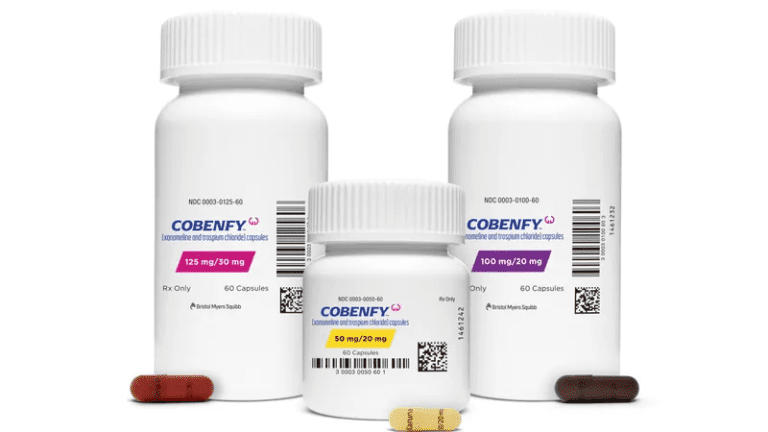
Bristol Myers Squibb (BMS) has announced an extension and increased enrollment for its late-stage clinical trial, “ADEPT-2,” of the drug Cobenfy (a mind-stabilizing medicine already approved for schizophrenia) as it investigates the drug’s potential effect on moderate to severe psychosis in Alzheimer’s patients.

This adjustment follows the company’s identification of “irregularities” in the way the study was executed at a “small number” of clinical sites.

  • Decisive Action: To safeguard the integrity of the study, BMS opted to exclude patient data from the compromised sites from the primary analysis. After consulting with the Food and Drug Administration (FDA), the company brought in an “independent party” to assess the collected data.

  • Trial Continuation: Based on the assessment, a data monitoring committee recommended that the trial continue and enroll more participants to achieve its original statistical target. BMS is adhering to this advice. ADEPT-2 had previously recruited around 400 patients across 119 locations.

  • New Timeline: The trial results, which analysts had hoped would be available before the end of this year, are now expected by BMS to arrive by the end of 2026.

Market Significance and Reaction

Cobenfy is positioned as a key growth product for BMS, expected to help offset future revenue declines from its current top-selling medications.

The trial readout is highly anticipated by investors due to the large potential market size: approximately 7 million peoplein the U.S. have Alzheimer’s, and it is estimated that between a quarter and a half of these individuals experience associated psychosis.

Although clinical trial delays typically cause stock sell-offs, shares of BMS were up almost 5% by mid-morning on the day of the announcement.

Source: https://www-biopharmadive-com.translate.goog/news/bristol-myers-cobenfy-alzheimers-psychosis-adept-2-trial-update-timeline/806917/?_x_tr_sl=en&_x_tr_tl=vi&_x_tr_hl=vi&_x_tr_pto=tc


Senior FDA Drug Regulator Steps Down Shortly After Appointment

0

The U.S. Food and Drug Administration (FDA) is once again searching for a leader for its Center for Drug Evaluation and Research (CDER) following the unexpected retirement filing by Dr. Richard Pazdur. The veteran regulator’s decision to step down comes just weeks after he was named to the top post at CDER.

Dr. Pazdur has a distinguished 26-year tenure within the agency, which includes serving as the founding director of the FDA’s Oncology Center of Excellence. His recent appointment was publicly supported by FDA Commissioner Dr. Marty Makary and Chief of Biologics Dr. Vinay Prasad, with Commissioner Makary previously commending Dr. Pazdur as a “forward-thinking scientist” and “regulatory innovator.”

However, reports indicate that the departure may be linked to internal disagreements. A news report suggests that Dr. Pazdur’s decision resulted from increasing dissatisfaction with Drs. Makary and Prasad. Sources close to the situation claim that he objected to what he perceived as political interference within the division responsible for overseeing prescription drugs and other common products.

Additionally, the same report cited his reservations regarding the Commissioners National Priority Voucher Program (CNPV), a recently announced initiative designed to accelerate treatments for significant public health needs.

Dr. Pazdur’s retirement creates two vacancies at the highest levels of the agency: the directorship of the drug division and the head of the Oncology Center.

In an official statement, an FDA representative acknowledged Dr. Pazdur’s departure, stating that the agency respects his choice and honors his 26 years of service. The statement highlighted his contribution as the founding director of the Oncology Center of Excellence, noting that his legacy of cross-center regulatory innovation advanced patient care.

This latest development continues a pattern of high-level staff turnover. Dr. Pazdur’s appointment followed the removal of the previous CDER director, George Tidmarsh, who subsequently resigned. Mr. Tidmarsh reportedly attributed his departure to a challenging environment at the agency, following criticism he levied against Dr. Prasad. Dr. Prasad himself briefly left the FDA before returning to lead the Center for Biologics Evaluation and Research (CBER).

Source: https://www.pharmexec.com/view/report-richard-pazdur-out-director-cder


AI Chemistry Outfit Secures $95 Million to Accelerate Small Molecule Discovery and Production

0

Excelsior Sciences, an artificial intelligence (AI) chemistry firm, is gaining ground on its mission to hasten the discovery and production of small molecules. The New York City-based company has successfully raised $95 million to scale its chemical synthesis platform, invest in its internal pipeline, and forge partnerships across industries, including therapeutics and materials science.

Funding Haul and Corporate Vision:

  • Funding: The funding includes a $70 million Series A round co-led by Deerfield, Khosla Ventures, and Sofinnova Partners, supplemented by a $25 million grant from New York’s Empire State Development.

  • Vision: Excelsior asserts that it is developing a “new form of chemistry that machines can do and AI can use to enable closed-loop drug discovery.”

The “Smart Bloccs” Technology Breakthrough:

While small molecule drugs constitute the vast majority of prescriptions globally, applying AI to this field requires the ability to make and test new small molecules fast enough to feed data-hungry algorithms.

Excelsior believes it may have cracked the code on automating chemistry, where previous attempts failed to “replicate the traditional artisanal approach to chemical synthesis.” The company’s method is rooted in its “smart bloccs” technology—described as “automated synthesis-friendly chemical building blocks.” The company aims to train AI to work with these modular blocks to derive chemical insights and guide drug discovery.

Strategic Context and Industry Trend:

Excelsior argues that the timing is opportune for its technology’s debut, especially given the recent emphasis on reshoring manufacturing and drug discovery to the U.S. The company notes that it is striving to make reshoring “affordable for both discovery and manufacturing” through its novel chemical approach.

The application of AI in drug discovery is a hot trend. Eli Lilly, an investor in Excelsior, recently inked a major deal to leverage an AI platform for identifying novel therapeutics. However, national analysts have warned that the U.S. is losing its biotech innovation edge and needs to empower researchers to utilize advanced technologies like AI and robotics.

Source: https://www.fiercepharma.com/manufacturing/ai-chemistry-outfit-excelsior-collects-95m-mission-accelerate-discovery-production