Monday, April 6, 2026
Home Blog Page 7

Campaign Raises Vision Health Awareness Targeting Aging Women

0

The Johnson & Johnson (J&J) corporation has teamed up with the acclaimed actress Naomi Watts in a communication campaign to put a clearer focus on vision health. The campaign leverages the actor’s star power to encourage women over 40 to make eye exams an essential part of their self-care routines.

Campaign Context and Messaging:

J&J’s vision portfolio includes a range of treatments for age-related conditions such as cataracts and presbyopia (the loss of clear close-up eyesight). Naomi Watts, who has been vocal about menopause and launched her own beauty/wellness brand, is a fitting figure to convey the message.

The joint goal of J&J and Watts is to encourage women to have routine eye checks and to reframe eye care as an integral component of holistic healthy aging.

The Eye Health Awareness Gap:

A J&J-commissioned survey revealed:

  • Vision Prioritization: 80% of Americans agreed that clear vision is key to feeling confident and youthful. People generally prioritize clear vision over outward appearance.

  • Disparity in Action: Yet, almost half of respondents who believed they needed vision correction had not seen an eye care professional in the past year.

  • Knowledge Gaps: Only 70% of respondents knew that eye exams could uncover medical conditions or understood how common vision correction is after age 40.

Naomi Watts stated that while eyesight changes are common as women age and go through menopause, “eye health is still missing from the conversation.”

Lifetime Business Model:

The group chair of J&J’s vision business explained that getting a person to go for an eye exam can unlock years of sales across a wide range of products.

  • Aging Cycle: As the eye begins to age and presbyopia kicks in, patients may move into contact lenses or laser surgery. Inevitably, the presbyopic eye will mature further, leading to cataracts, where intraocular lenses (IOLs) come into play.

  • “One Patient Over a Lifetime” Strategy: The corporation views this as a strategy to serve “one patient over a lifetime,” leveraging the breadth of its vision portfolio (including a new contact lens launched in June for people with astigmatism and presbyopia).


Source: https://www.fiercepharma.com/marketing/johnson-johnson-directs-new-campaign-aging-eyes-naomi-watts-spotlight

New Leadership to Drive Strategic Growth in the Americas Region

0

Evonik, a global specialty chemicals company, has named executive Elias Lacerda President of the Americas region, effective February 1, 2026. Lacerda will succeed Guido Skudlarek, who recently became the global Head of Evonik’s U.S.-based Health Care business line.

Strategic Importance of the Americas Region:

The Americas region is crucial for Evonik’s success, generating 30% of the company’s annual revenue. The region currently hosts more than 30 production sites, along with distribution centers and commercial offices. This appointment follows Evonik’s decision to merge the Central and South America (CSA) regions with North America.

Personal Profile and Experience:

  • Experience: Lacerda, a native Brazilian, has nearly three decades of experience with Evonik and its predecessors. He spent half of that time managing coatings businesses in Central and South America (CSA) and held global leadership roles in Evonik’s Silica and Animal Nutrition business lines.

  • Prior Roles: He previously led the CSA region as president from 2018 to 2022. Most recently, he served as the head of the Coating Additives business line at the company’s headquarters in Essen, Germany.

  • Assessment: Evonik’s leadership considers Lacerda the perfect choice, citing his fluency in four languages, extensive global network, and an ideal combination of scientific and business expertise.

Evonik’s leadership expressed confidence that Lacerda will guide the company through its next phase of growth trajectory in North and South America, where the company sees great potential and holds ambitious goals.

Source: https://www.contractpharma.com/breaking-news/evonik-appoints-president-for-the-americas-region/

Tech and Pharma Alliance Drives Patient-Centric Drug Development

0

The organization Citizen Health has entered into a multi-year strategic partnership with the pharmaceutical company UCB to expedite drug development across epilepsy and five other rare diseases.

Patient-Focused Research Model:

This collaboration merges Citizen Health’s AI-based patient insights and advocacy networks with UCB’s drug development expertise, aimed at improving patient outcomes.

Under the agreement, Citizen Health members who consent to share their health information will form patient groups for pre-clinical work through post-marketing surveillance, participating in the complete drug discovery and development journey with UCB.

  • Real-World Data: The partnership creates opportunities for patients to contribute real-world data and participate in clinical trials.

  • Transparency and Trust: The companies are prioritizing transparent and simplified patient consent processes to enhance trust and understanding.

Key Focus Area: Epilepsy:

Epilepsy is a primary area of focus for Citizen Health’s user community. The brain disorder affects approximately three million adults and nearly half a million children in the U.S., with annual healthcare costs exceeding $5 billion.

Expansion and Innovation Plans:

In addition to clinical research, Citizen Health and UCB will jointly develop experimental business models and up to three new AI use cases, focusing on secure, consumer-oriented, and technology-driven healthcare.

The Citizen Health CEO expressed pride in partnering with UCB, recognizing them as a company that deeply understands the needs of rare disease patients and is committed to advancing more efficient, patient-driven research models.

Source: https://www.pharmaceutical-technology.com/news/citizen-health-ucb-epilepsy/?cf-view


Historic Zero Tariff Pharmaceutical Deal Agreed Between US and UK

0

The US government and the United Kingdom have announced an agreement in principle regarding pharmaceutical trade, under which UK pharmaceutical exports will be exempt from tariffs. The deal follows threats by the US President to impose significant tariffs on imported branded and patented pharmaceutical products.

Exemption Terms and Onshoring Commitment:

  • Tariff Exemption: According to the agreement, UK-origin pharmaceuticals, drug ingredients, and medical technology will be exempted from the administration’s Section 232 sectoral tariffs. This exemption will last for “at least” three years.

  • Pricing Pledge: In exchange, the UK will raise the net price its National Health Service (NHS) pays for new treatments by 25%. Furthermore, the US has pledged to refrain from targeting UK pharmaceutical pricing practices in any future Section 301 investigation for the duration of President Trump’s term.

The US Trade Representative’s Office stated that the agreement is driven by the view that American patients have been “forced to subsidize” prescription drugs in other developed countries by paying a significant premium. The deal is expected to drive investment and innovation in both countries while strengthening supply chains in the US.

UK Drug Valuation Framework Overhaul:

Sources close to the deal indicate that the newly announced agreement will require a significant change to the value appraisal framework at NICE—the UK government body responsible for determining whether new drugs are cost-effective for the NHS. NICE’s current standard relies on the “quality-adjusted life year” (QALY) metric, which caps the acceptable cost of a treatment at approximately $39,789 for each healthy year it affords a patient.

Context of MFN Policy and Tariffs:

Previously, President Trump enacted an Executive Order (EO) proclaiming the “Most Favored Nation” (MFN)principle for drug pricing. The EO states that US drug prices should be less than or equal to the drug’s lowest price in other comparable nations. He had also previously threatened a 100% tariff on branded drugs unless companies constructed production plants in the US.

The new agreement with the UK is viewed as a major pharmaceutical trade breakthrough, differing from a previous G7 agreement (June) that focused only on lowering tariffs on British aerospace materials and automobiles.


Soucre: https://www.pharmexec.com/view/us-uk-agree-to-zero-tariffs-pharmaceuticals

Instability Signals and New Opportunities in the Rare Cardiovascular Market (ATTR-CM)

0

The burgeoning field of transthyretin amyloid cardiomyopathy (ATTR-CM)—once projected to become a $20 billion market—may have just revealed the first indication of a slowdown, raising concerns about the market expansion potential for newer entrants.

Market Leader’s Sales Performance:

In the third quarter, Pfizer reported a 1% year-over-year sales decline for its tafamidis products in the U.S., which also represented a 4% sequential drop from the previous quarter. Though the dip was small, it warrants scrutiny, particularly as it occurs less than a year after the launch of the rival drug Attruby (BridgeBio) and two full quarters after Amvuttra(Alnylam) entered the market.

Market analysts suggest that the moderation in the category’s previously “torrid pace of growth” is a cause for concern, as considerable interest was built on the assumption that the market was large enough for multiple players to thrive together.

Response from Newer Entrants:

The new entrants remain confident that underlying patient demand is still growing, even if Pfizer’s dollar revenue was impacted by pricing dynamics (such as Inflation Reduction Act rebates and payer discounts):

  • BridgeBio: The CEO acknowledged that the speed of expansion (the “growth of the growth”) appears to be flattening but affirmed that the overall prescription growth rate “continues to be profound,” with the overall magnitude of new patients increasing at an unprecedented level.

  • Alnylam: Reported an approximate doubling in patient demand for Amvuttra (the injectable gene silencer) in the third quarter versus the second quarter.

Differentiation Strategy and the Generic Future:

Companies are focusing on differentiating their products and preparing for the loss of patent protection for Pfizer’s tafamidis in the U.S. in 2028:

  1. Attruby (BridgeBio): The focus is on differentiating the drug as a best-in-class, first-line stabilizer with greater potency than Pfizer’s product. Despite its twice-daily dosing schedule (vs. once daily for the competitor), BridgeBio argues that the differential efficacy (maintaining TTR stabilization above 90%) is a higher priority in this severe, life-threatening condition.

  2. Amvuttra (Alnylam): The company expects to benefit from the advent of generic tafamidis. Alnylam is banking on a combination therapy approach (Amvuttra plus generic tafamidis) gaining broader uptake once the financial burden is relieved, allowing them to benefit from patient volume expansion without competing directly for market share.

Market Expansion and Upcoming Competition:

While only about one-fifth of the estimated 250,000 to 300,000 ATTR-CM/HFpEF patients in the U.S. are properly diagnosed, experts believe that the entry of multiple players will improve awareness and diagnosis rates.

  • Potential Competitor: A fourth player, Wainua (from AstraZeneca and Ionis), is expected to read out Phase 3 trial data in the second half of 2026. Given AstraZeneca’s strong cardiovascular franchise, its potential participation is viewed as a factor that could reaccelerate overall market growth.

  • Research Challenge: Conversely, the push for earlier and milder disease diagnosis could pose a challenge for newer generation drug candidates (like Alnylam’s nucresiran), making it more difficult to demonstrate a treatment effect in future clinical trials.

Analysts currently show wide divergence in market projections, with estimated global total ATTR drug sales for 2028 ranging from $15.3 billion to $16.7 billion.

Soucre: https://www.fiercepharma.com/pharma/pfizer-reported-attr-sales-decline-us-should-alnylam-bridgebio-worry

Uncontrollable Vomiting Syndrome on the Rise: Warning Linked to Chronic Cannabis Use

A rare and unusual medical condition, known as Cannabis Hyperemesis Syndrome (CHS), is escalating in the United States. The disorder is socially dubbed “scromiting” due to the combination of screaming and loud vomiting resulting from the severe, uncontrollable bouts of vomiting experienced by patients.

Clinical Presentation and Danger:

Patients with CHS, often habitual cannabis users (including adolescents), present to emergency rooms complaining of severe abdominal pain, nausea, and continuous vomiting that can last for hours.

  • Hot Water Relief: A bizarre and near-universal feature of the syndrome is the patients’ reported use of scalding hot baths or showers as a form of self-treatment to ease their symptoms. The exact reason for this behavior remains unclear, but one theory suggests the distracting sensation of extreme heat interrupts the pain cycle.

  • Risks: If treatment is delayed, the severe vomiting can lead to life-threatening complications, including electrolyte disturbances, shock, and organ failure.

  • Diagnostic Complexity: Diagnosing CHS is often difficult, as physicians must perform numerous expensive tests (such as blood tests, urine tests, CT scans, upper GI endoscopy) to rule out other possible causes.

Research into the Disorder’s Paradox:

CHS first emerged on the medical scene in 2004 when Australian researchers documented 19 chronic marijuana users who experienced repeated episodes of abdominal pain and retching.

  • The Paradox: Cannabinoids like THC are paradoxically known to relieve nausea and vomiting in chemotherapy patients, creating a medical dilemma regarding why the same compound causes severe distress in CHS patients.

  • Dosage Factor: One theory suggests that the drastic increase in THC potency in modern cannabis products (rising from around 4-5% in the 1990s to 15-20% currently) may be a contributing factor. However, it remains unclear why not all heavy users are affected by CHS.

Evidence of Escalation:

Data confirms CHS is a growing national problem:

  • A 2020 study found nearly 1 in 5 people hospitalized for cyclical vomiting reported concurrent cannabis use.

  • Following the legalization of recreational marijuana, a Colorado study found that reported cases of vomiting due to cannabis increased by about 29% between 2013 and 2018.

  • A newer study (July 2025) showed that emergency room visits for adolescents (aged 13–21) nationwide increased more than 10-fold between 2016 and 2023.

To enable more accurate tracking, a U.S. federal committee and the World Health Organization (WHO) created R11.16, an official medical diagnosis code for Cannabis Hyperemesis Syndrome, in October 2025, which is expected to enhance future research accuracy.

Source: https://edition.cnn.com/2025/12/02/health/scromiting-marijuana-vomiting-syndrome-wellness


Top FDA Drug Officer Set to Exit Weeks into New Role


Global Health Policy Shift: US No Longer Commemorating World AIDS Day

Source: https://edition.cnn.com/2025/12/01/health/world-aids-day-trump-administration


Leadership Change at Vaccine Advisory Committee Amid Controversial Recommendations

 A senior official from the U.S. Department of Health and Human Services (HHS) announced on Monday that the controversial Advisory Committee on Immunization Practices (ACIP) will convene later this week under a new chairperson. Mr. Martin Kulldorff, the outgoing chairman, is leaving to assume a leadership role within the HHS planning and evaluation office, described as the department’s “in-house think tank.

Personnel Shift and Stance:

  • New Chair: Dr. Kirk Milhoan, a pediatric cardiologist who previously attributed an increase in cardiovascular disease among older teens and young adults to vaccines, will become the new ACIP chair. He was initially appointed to the committee in September.

  • Outgoing Chair: Mr. Kulldorff, a Swedish biostatistician and co-author of the Great Barrington Declaration, is moving into the role of chief science officer within the HHS planning and evaluation office.

Committee Restructuring:

The changes follow a move earlier this year by the HHS Secretary to fire the entire 17-member ACIP panel and replace it with a group that includes several anti-vaccine voices, naming Kulldorff as chairman. Under Kulldorff’s leadership,the group made several contentious decisions that drew criticism from major medical groups:

  • Thimerosal: Recommended the removal of the preservative thimerosal from flu vaccine doses, despite some members acknowledging a lack of evidence that it caused harm.

  • Combination Shots: Recommended new restrictions on a combination shot protecting against chickenpox,measles, mumps, and rubella.

  • COVID-19 Policy: Took the unprecedented step of not recommending COVID-19 vaccinations for any population, including high-risk seniors, instead making it a matter of personal choice.

The new ACIP, which abandoned its traditional multi-month, evidence-based “evidence-to-recommendation” framework, has been criticized by independent medical groups who advised doctors to continue following previous,evidence-based guidance.

Upcoming Agenda: Hepatitis B Shots:

The ACIP is scheduled to meet in Atlanta later this week, with a vote expected on whether to change the recommendation regarding the hepatitis B shot given to newborns.

  • Current Recommendation: Calls for the first dose to be administered to all medically stable infants weighing at least 4.4 pounds (2 kg) within 24 hours of birth. This strategy has been highly successful in preventing chronic infection in children.

  • Potential Change: Despite the high efficacy (85% to 95%) and established safety record, the new ACIP members have discussed recommending a delay of this initial vaccination. A vote was previously pulled back in September amid criticism from pediatric and infectious disease specialists who warned against undermining the safety and efficacy record of the vaccine.

Source: https://edition.cnn.com/2025/12/01/health/cdc-acip-vaccine-committee-kulldorff


FDA Official Plans Vaccine Approval Process Overhaul Following Internal Analysis

A senior official from the U.S. Food and Drug Administration (FDA) announced on Friday that the agency will change its vaccine approval process. The official, the Director of the FDA’s Center for Biologics Evaluation and Research (CBER), made a controversial claim, alleging that COVID-19 vaccination resulted in the deaths of 10 children.

Internal Claims and Rationale:

In an internal memo, the FDA official claimed, “Healthy young children who faced tremendously low risk of death were coerced… to receive a vaccine that could result in death” via school and work mandates.

He cited “an initial analysis” that examined 96 deaths and linked 10 to the COVID-19 vaccination, though the memo did not provide specific details on the deaths or how the conclusion was reached. The official also claimed that COVID-19 “was never highly lethal for children” and its effects “are comparable” to those of respiratory viruses for which annual vaccines are not required.

He stressed that vaccines, like any medical product, require appropriate use: “The right drug given to the right patient at the right time is great, but the same drug can be inappropriately given, causing harm.

New Approval Process Changes:

The official stated that as a result of the FDA analysis, the agency will adopt a new approval process for vaccines that will require more evidence of their safety and value before they can be marketed. Proposed changes include:

  • Stricter requirements for authorization of vaccines used for pregnant women.

  • Trials for pneumonia vaccines will need to prove the shots reduce disease, rather than just showing that the vaccine produces enough antibodies.

  • Revising the annual flu vaccine framework and “re-appraising safety and being honest in vaccine labels.

These changes could require larger studies that take longer to complete, potentially slowing the approval process significantly. The official also urged staff members who may disagree with these new core principles to submit their resignation letters.

Healthcare Policy Context:

This announcement is consistent with arguments long made by the Secretary of the Department of Health and Human Services (HHS). The HHS Secretary has repeatedly raised doubts about vaccine effectiveness, slashed funding for mRNA vaccine development, removed all members of the vaccine advisory committee at the Centers for Disease Control and Prevention (CDC), and directed the CDC to change its website to include false claims linking autism and vaccines.

The CDC’s Advisory Committee on Immunization Practices (ACIP), handpicked by the HHS Secretary, is scheduled to meet next week to discuss the childhood vaccine schedule, including considering delaying the first in the series of hepatitis B shots for infants. (This shot has been recommended shortly after birth for over 30 years—a strategy that nearly eradicated the potentially fatal disease among children in the US.)

Source: https://edition.cnn.com/2025/11/29/politics/vaccine-approval-process-fda-official


Quality Control Tightened: List of 46 Foreign Companies with Substandard Drugs Announced

On the afternoon of December 2, the Drug Administration of Vietnam (DAV) under the Ministry of Health updated the list of 46 foreign pharmaceutical manufacturers with substandard drugs. These companies are now subject to pre-inspection measures, requiring 100% of their imported drug batches into Vietnam to be sampled and tested for quality.

Legal Framework and Evaluation Mechanism:

The review of the list is based on the results of quality monitoring of drugs currently in circulation and the assessment of the manufacturers’ rectification efforts. This measure aligns with Circular No. 30/2025/TT-BYT, which governs the announcement, updating, and removal of names from the List of Manufacturing Facilities with Substandard Drugs.

Foreign companies wishing to be removed from the list must undergo a specified period of 100% pre-inspection of imported batches without detecting any violations. In this Phase 42 update, only one company, Zee Laboratories – India, was successfully removed from the list after fully meeting the requirements by completing 100% quality inspection without violations.

Management Objectives and Oversight Mandate:

The requirement for 100% pre-inspection of imported batches is deemed a necessary measure to protect patient safety, given that Vietnam imports a large volume of finished drugs and ingredients from various markets.

The DAV has instructed local Departments of Health and sectoral medical units to enhance supervision of compliance with imported drug quality inspection regulations and to strictly penalize violating organizations and individuals.

The update of the pre-inspection list will be performed periodically to ensure transparency. This practice helps the medical examination and treatment system and importing units to be aware and proactive in selecting suppliers, thereby minimizing the risk of substandard drugs reaching patients.

Source: https://cafef.vn/bo-y-te-cong-bo-46-cong-ty-nuoc-ngoai-co-thuoc-vi-pham-chat-luong-nhieu-cai-ten-quen-mat-188251203093757533.chn

Public Health Message: Young Artists Drive Proactive Vaccination

Following the positive effect of the “Proactive Prevention – Strong Future” campaign, the Long Chau Vaccination chain announced the addition of three versatile young singers: Bùi Trường Linh (buitruonglinh), CONGB, and Sơn.K, to its ambassador lineup.

The selection of this talented trio aims to expand the campaign’s influence and spread the message of proactive living to Vietnamese youth. Utilizing multiple accompanying ambassadors stems from the desire to reach young people through various “emotional doors,” catering to the diverse tastes of the youth demographic. All three artists embody a positive image, possess a strong ability to inspire, and share a common goal: encouraging young people to proactively protect their health early, before risks arise.

Warning on End-of-Year Epidemic Risks:

Epidemiologists caution that the end of the year is a time when infectious diseases easily increase due to changing weather, dropping temperatures, and increased festival and gathering activities, creating a favorable environment for bacteria and viruses to spread quickly.

Among these, dangers such as Meningococcus, Dengue Fever, and HPV are lurking:

  • Meningococcus: Often breaks out strongly in the winter-spring season. Crowded places during the year-end period present opportune moments for meningococcal bacteria to spread rapidly through respiratory droplets.

  • Dengue Fever: This disease is becoming increasingly complex due to the impact of climate change, making outbreaks more unpredictable and frequent. This year’s epidemic has recorded not only an increase in numbers but also many cases with severe progression and dangerous complications such as shock and liver damage.

  • HPV (Human Papilloma Virus): Continues to be a significant threat. Cervical cancer (CC) is the sixth most common cancer in Vietnam, yet the HPV vaccination rate remains low (a 2021 study showed only 12% of women and girls aged 15-29 were vaccinated). The Ministry of Health recently formalized HPV’s inclusion in the list of Group B infectious diseases, emphasizing the virus’s danger level and rapid spread.

Vaccination: The Essential Shield

Medical experts recommend that during this period of complex infectious disease developments, proactively preventing disease early, rather than waiting for its appearance, is the most critical “shield.” Among these measures, getting vaccinated correctly and completely is an effective way to protect oneself and the community, especially in the final months of the year.

The vaccination chain commits to ensuring vaccination safety, providing 100% genuine, high-quality vaccines, preserved and monitored 24/7 according to strict international standards (WHO – GSP), thereby affirming its role as an “extended arm” of the healthcare sector in community health care.

Source: https://tuoitre.vn/son-k-bui-truong-linh-congb-tro-thanh-dai-su-chien-dich-suc-khoe-cong-dong-cua-long-chau-20251203102712865.htm

Phased Health Insurance Fee Hike: Strategy to Realize Free Healthcare

The Ministry of Health (MoH) is proposing a phased roadmap to increase the Health Insurance (HI) contribution rate, from the current 4.5% of the base salary to approximately 5.1% (2027), 5.4% (2030), and reaching 6% by 2032. This move is designed to solidify the HI Fund and establish a strong financial basis for the gradual implementation of a universal free healthcare policy for basic services.

Financial Pressure and Urgent Objectives

According to the MoH report, the HI Fund has faced substantial expenditure pressure: in 2024, total expenses for medical examinations and treatments exceeded VND 139 trillion. The HI contribution rate has remained unchanged for 10 years, despite the continuous expansion of benefits and a persistent rise in demand for costly chronic disease treatments.

The MoH affirmed that adjusting the contribution rate is mandatory to sustain and expand benefits. The ultimate goal is to maximally reduce the public’s out-of-pocket spending (which remains high) and ensure healthcare equity.

Three-Phase Roadmap for Benefit Expansion and Fee Increase

The proposal is structured in three specific phases, tied to the expansion of participant benefits:

  1. 2026-2027 Phase: Priority is given to increasing HI payment levels and coverage. Free periodic health check-ups or screening for prioritized groups begin (from 2026). The contribution rate is projected to increase to approximately 5.1% starting in 2027.

  2. 2028-2030 Phase: The goal is to reduce out-of-pocket spending to below 30%. HI coverage is expanded for drugs, equipment, and techniques, alongside piloting HI payment for preventive services. The contribution rate is projected to increase to 5.4% starting in 2030.

  3. Post-2030 Phase: Moving toward universal health insurance. The scope of free healthcare within the basic service package is expanded, accompanied by a contribution rate increase to 6% starting in 2032. This phase also focuses on perfecting grassroots healthcare and a smart payment system.

Commitment to Mitigate Impact and Control Waste

The MoH committed to implementing the fee hike roadmap appropriately, avoiding sudden “shock” for citizens and businesses (which contribute a significant portion of this cost). Policies supporting HI contributions for vulnerable groups will be maintained.

Experts also warned that parallel to the fee increase, clear measures are needed to control cost losses and prevent misuse of the HI fund. Steps such as reducing duplicate testing, minimizing unnecessary service indications, and economizing on medicine and material costs are considered essential to ensure the fund’s efficiency.

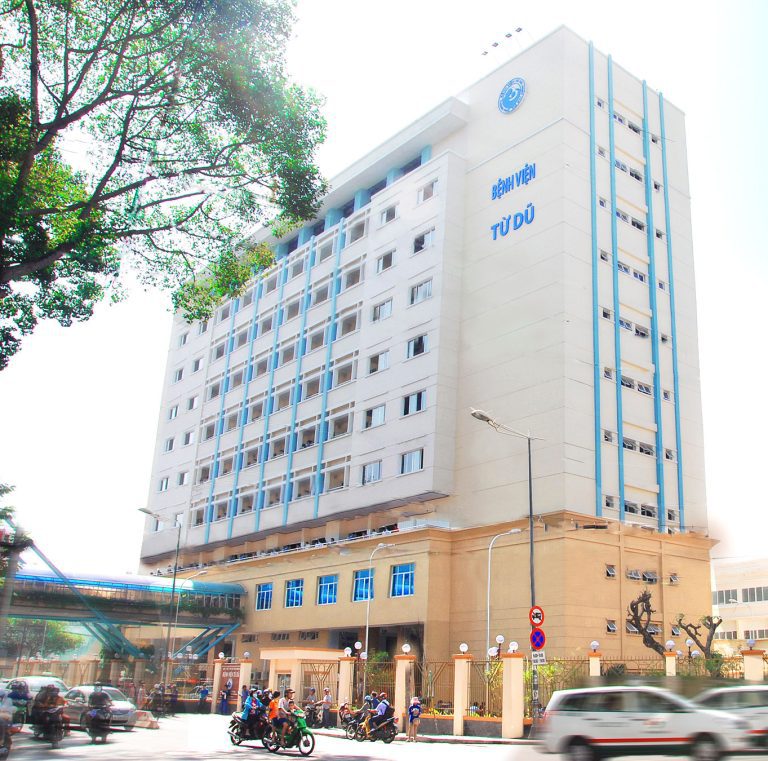
Integrated Specialty General Hospital Model Brings High-Quality Care to Cần Giờ

The establishment and operational launch of Tu Du Hospital Facility 2 in Cần Giờ is the result of a “race against time” over 12 months by the hospital’s entire staff and related units. The Hospital Director credited the success to the convergence of three major factors: swift policy approval (favorable timing), Cần Giờ’s strategic location (geographical advantage), and harmonious coordination among all parties (human harmony).

Breakthrough Cooperation Mechanism and Rapid Deployment:

  • Legal Speed: The cooperation mechanism between Tu Du Hospital and 8 other major tertiary specialty hospitals in Ho Chi Minh City was finalized in just 10 days.

  • Financial Autonomy: Tu Du Hospital, as an autonomous Group 1 specialized tertiary hospital, utilized its existing financial resources to implement the model without using the City budget.

  • Integrated Model: To form a functioning general hospital, Facility 2 mobilized collaboration from the 8 participating tertiary hospitals (including Lê Văn Thịnh, Odonto-Stomatology, ENT, Eye, Dermatology, Children’s Hospital, Rehabilitation, and Traditional Medicine).

Infrastructure Upgrade and Initial Results:

The former premises were rapidly renovated: lighting systems were replaced, operating rooms were completed, infrastructure was upgraded, and modern medical equipment was installed, including an automated ultrasound system that allows for online consultation with the central Tu Du facility.

During the first three weeks of operation (with free medical examinations and treatment), the number of patient visits increased continuously; some specialties saw a 3–4 fold increase compared to before the model conversion.

  • Emergency Efficiency: The emergency transfer rate dropped sharply, plummeting from 40 cases per day to just 3 cases. Many cases of multi-trauma and obstetric emergencies were successfully handled on-site.

Strategic Significance:

Tu Du Hospital Facility 2 represents the first step in a strategy to bring high-quality medical services closer to coastal residents. This move not only meets the healthcare needs of Cần Giờ residents but also serves the workforce in large-scale projects and tourists in the future, as the area is positioned as an important gateway connecting to Đồng Nai, Long Thành, and Vũng Tàu.

Starting December 2, 2025, Tu Du Hospital Facility 2 officially began providing medical examination and treatment covered by Health Insurance (BHYT) to the local residents.

Source: https://suckhoedoisong.vn/hanh-trinh-chay-dua-voi-thoi-gian-hinh-thanh-bv-tu-du-co-so-2-phuc-vu-ba-con-can-gio-169251203095142902.htm


Traditional Pharmacies Face Pressure to Transform to Modern Models

Ho Chi Minh City is a massive pharmaceutical market, accounting for an estimated 25-30% of the entire country’s volume, featuring over 8,450 pharmacies and nearly 650 traditional medicine dispensing facilities. However, the “blossoming” of modern pharmacy chains (such as Long Châu, Eco Pharma, and An Khang), which offer spacious display areas, professional service, and electronic management systems, is creating intense competition.

Challenges for Small-Scale Pharmacies:

Small retail pharmacies are encountering severe difficulties. Revenue has declined sharply while rental costs and input drug prices have increased. Traditional pharmacy owners report that customers are becoming scarce due to concerns over counterfeit or vaguely sourced medicines at small, individual counters.

The Necessity for Model Innovation Based on Customer Trends:

Modern customers prioritize reputable places where they can:

  • Check drug prices transparently.

  • Verify clear origins.

  • Receive professional consultation from pharmacists.

Modern chains excel at meeting these requirements. Experts advise that if traditional pharmacies wish to compete, they must be bold enough to change, learn from the modern model, and improve price listing, display, preservation, and customer consultation. This will foster a sense of security and attract buyers.

Demand for Digitization and Standardization:

Beyond changing the business mindset, digitization is also a critical factor. Although many pharmacies have installed retail drug management software as mandated by the Ministry of Health, the operation and utilization remain limited. Many facilities install the software merely as a formality, while still relying on manual methods for sales and management.

Ho Chi Minh City is implementing the National Strategy for the Development of the Vietnamese Pharmaceutical Industry with the goal that 100% of pharmaceutical business establishments meet “Good Practices” standards. The city is strengthening support efforts:

  • Enhancing market management and drug control.

  • Training and fostering skills in pharmaceutical consultation, management, and digital transformation for pharmacists.

  • Supporting loans to upgrade medicine counters and pharmacies.

In addition to specific support policies from the city, retail pharmacies need to proactively invest and innovate to catch up with the new trend, meet modern pharmacy standards to enhance competitiveness, and meet the increasingly high demand for community healthcare.

Source: https://www.qdnd.vn/y-te/cac-van-de/nha-thuoc-truyen-thong-can-thay-doi-theo-mo-hinh-hien-dai-1014309

Caution Against Sudden Increase and Severe Complications of Influenza A

Seasonal flu cases have seen a sharp increase in the last two weeks, particularly in the Respiratory Infectious Diseases Department at a major Military Hospital, which reports approximately 20-30 patients seeking treatment and nearly 30 confirmed Influenza A cases requiring daily inpatient care. The rapid spread typically peaks during the winter-spring season, as cold and humid weather conditions favor viral development.

Disease Characteristics and Complication Risks:

The flu virus spreads rapidly through the respiratory tract via droplets from coughing, sneezing, or contact with contaminated surfaces. Influenza A usually has a sudden onset with symptoms such as high fever (38-40°C), cough, sore throat, nasal congestion, headache, fatigue, and muscle aches. Most healthy individuals can recover spontaneously after 5-7 days.

However, Influenza A can cause severe complications, especially in high-risk groups such as:

  • Individuals with Underlying Conditions: Those with cardiovascular disease, hypertension, diabetes, COPD, obesity, chronic kidney disease, and the elderly. This group is susceptible to secondary infections like pneumonia and bronchitis.

  • Pregnant Women: Require close monitoring of their respiratory status and pregnancy progression, with careful consideration given to fetal-safe medications to avoid dangerous complications.

Common complications include pneumonia, respiratory failure, exacerbation of underlying diseases, and severe infections.

Prevention and Treatment Recommendations:

Infectious disease specialists recommend that people take proactive and effective measures against Influenza A by:

  • Seasonal Flu Vaccination: This is the most effective measure to reduce the risk of illness and complications.

  • Hygiene Practices: Covering the mouth and nose when coughing or sneezing (preferably with a tissue, handkerchief, or the crook of the arm); frequently washing hands with soap; avoiding indiscriminate spitting, and limiting unnecessary contact with people infected or suspected of being infected with the flu.

  • Avoid Self-Medicating: If infected, patients should not self-medicate with antiviral drugs (such as Tamiflu) or antibiotics. Patients need to see a doctor for consultation and take medication only as directed by the physician.

Source: https://www.qdnd.vn/y-te/tin-tuc/canh-giac-voi-bien-chung-nang-do-benh-cum-a-1014760

Hanoi Enforces Tight Monitoring of Epidemics in the Area

Hanoi is implementing stringent surveillance and epidemic control measures across the city, particularly for respiratory and endemic diseases.

Epidemic Situation (Cumulative since early 2025):

  • Hand, Foot, and Mouth Disease (HFMD): The cumulative number of cases since the start of the year is 5,878 cases (with no deaths), a significant increase compared to the same period in 2024 (2,422 cases). However, new cases last week saw a substantial decline (31 cases, down 56 cases from the previous week).

  • Measles: 4,467 cumulative cases have been recorded this year, with one death. Three new cases were reported last week.

  • Flu (Influenza): A total of 5,899 cases were recorded (no deaths), a decrease of 24% compared to the same period last year.

  • Other Diseases: No cases of Tetanus, Pertussis (Whooping Cough), Meningococcal Disease, or Japanese Encephalitis were recorded during the week.

Control and Response Directives:

The Hanoi Department of Health has instructed ward and commune health stations to continue monitoring and detecting patients at assigned medical facilities and within the community to promptly investigate and handle cases and outbreaks, preventing widespread transmission.

Key prioritized activities include:

  1. Dengue Fever Control: Regularly monitor larvae and mosquito indices in areas with reported cases, old outbreaks, and high-risk areas. Simultaneously, implement campaigns to eliminate pupae and larvae, and spray adult mosquito insecticide.

  2. Winter-Spring Epidemic Prevention: Strengthen prevention and control efforts against respiratory diseases such as influenza, measles, pertussis, and chickenpox, focusing treatment on outbreaks with high patient numbers.

  3. Outbreak Management Coordination: The Hanoi Center for Disease Control (CDC) is coordinating with local health stations to intensify surveillance and implement prompt and effective handling of active Dengue fever outbreaks in key wards/communes (such as Xuân Đỉnh, Tam Hưng, and Tương Mai).

  4. Communication: Enhance communication, providing timely and full information on the epidemic situation and prevention measures for diseases like Dengue fever, Hand, Foot, and Mouth Disease, Flu, Measles, Pertussis, etc., so that the public can proactively implement measures and coordinate with authorities.

Source: https://www.qdnd.vn/y-te/tin-tuc/ha-noi-giam-sat-chat-che-cac-dich-benh-tren-dia-ban-1014762