Monday, April 6, 2026
Home Blog Page 9

Expedited Review Sought for New Higher-Dose Obesity Treatment

0

A pharmaceutical corporation has submitted a supplemental application for a higher dose semaglutide injectable (7.2 mg) to the U.S. Food and Drug Administration (FDA). The new dosage is intended for chronic weight management in adults with obesity, to be used as an adjunct to a reduced-calorie diet and increased physical activity.

To accelerate the regulatory process, the company chose to use a Commissioner’s National Priority Review Voucher (CNPV) obtained from the FDA. The utilization of this priority voucher is expected to drastically reduce the review period from the typical 10-12 months to just 1-2 months following the FDA’s acceptance of the application.

A senior vice president from the company’s clinical development, medical, and regulatory affairs unit expressed optimism, highlighting the submission under the FDA’s expedited review program as an exciting step forward. If approved, semaglutide 7.2 mg would offer patients and healthcare professionals a new option with the potential for greater weight loss, further underscoring the efficacy of the semaglutide molecule within the obesity treatment community.

Phase III Trial Data:

The supplemental New Drug Application (sNDA) incorporates results from the Phase III clinical trial known as STEP UP. This was a randomized, double-blind, placebo- and active-controlled superiority trial designed to evaluate the efficacy and safety of once-weekly semaglutide 7.2 mg injectable, combined with lifestyle intervention.

  • Primary Objectives included demonstrating the superiority of the 7.2 mg dose against placebo regarding the percentage change in body weight, along with the proportion of participants achieving weight loss of 5% or greater.

  • Efficacy Findings: The trial successfully demonstrated the efficacy of semaglutide 7.2 mg in achieving significant weight reduction compared to both placebo and the 2.4 mg dose.

  • Safety Profile: Gastrointestinal adverse events were reported more frequently with semaglutide 7.2 mg compared to the 2.4 mg dose or placebo. Conversely, serious adverse events were less common in the 7.2 mg group (6.8%) than in the 2.4 mg group (10.9%).

  • Other Details: The study spanned 72 weeks and involved 1,407 adults with obesity, excluding patients with diabetes. Confirmatory secondary endpoints measured the proportion of participants reaching greater than or equal to 10%, 15%, 20%, and 25% weight loss compared to the placebo group.

The 7.2 mg dose was among the first 15 drugs included in the FDA’s Commissioner’s Priority Review pilot program, which allowed the company to obtain the voucher used to fast-track the approval process.
Source: https://www.pharmexec.com/view/novo-nordisk-submits-higher-dose-wegovy-injectable-for-fda-approval-with-priority-voucher

Global Strategic Restructuring: A Major Pharma Group’s Shift Toward Automation and Production Reallocation

0

The recent decisions by a leading Swiss pharmaceutical group highlight a broader trend within the industry: prioritizing automation, advanced manufacturing technology, and regional supply chain consolidation. This adjustment involves simultaneously streamlining operations in its home country while substantially scaling up in a key foreign market.

Optimization and Streamlining in Switzerland:

In Switzerland, the corporation is implementing a factory restructuring plan aimed at transforming its facilities into specialized centers of excellence focused on innovative production technologies. Specifically, the Stein facility will undergo a major overhaul with a $26 million investment in automation. However, this productivity enhancement comes with the strategic decision to cease all tablet and capsule manufacturing and packaging at Stein by the end of 2027, resulting in the elimination of 550 positions.

Conversely, the Schweizerhalle facility is set to receive an $80 million investment to boost its advanced siRNA (small interfering RNA) manufacturing capacity, creating 80 new jobs by the end of 2028. Executives stated that these adjustments are necessary to secure long-term production competitiveness in Switzerland by focusing on high-tech areas and automation.

Strategic Expansion in North America:

Parallel to the European restructuring, the group announced substantial investment plans for North Carolina, USA. The new investment, totaling $771 million, is intended to establish a “flagship manufacturing hub” in the US, comprising:

  1. A new facility in Morrisville specializing in tablet and capsule manufacturing and packaging (the segment being phased out in Stein).

  2. Two new sites near its existing gene therapy plant, focusing on biologics production and sterile packaging.

These facilities are expected to be operational between 2027 and 2028 and will generate 700 new jobs. This move is part of a larger commitment to spend $23 billion over the next five years on US facility expansion, enabling end-to-end production of key medicines within that market.

Conclusion:

These parallel moves—automating and streamlining traditional processes in Switzerland, alongside significant investment in parallel product segments (tablets/capsules) and advanced technology (biologics, sterile packaging) in the US—demonstrate a clear strategic pivot. The corporation is reallocating resources to focus on growth areas and technological innovation while solidifying its supply chain in critical markets, a strategy potentially influenced by regional economic and tariff policies.

Source: https://www.fiercepharma.com/manufacturing/novartis-lays-out-plan-cut-550-jobs-plant-switzerland-end-2027

Cost-Effective Solution for Retinal Diseases Enters European Market

0

On November 24, 2025, in Basel, Sandoz, a global leader in affordable medicines, announced the European launch of Afqlir® (aflibercept). The product is a biosimilar presented as a 2 mg vial kit and pre-filled syringe for intravitreal injection.

Afqlir® received approval from the European Commission in November 2024 for the treatment of various retinal diseases in adult patients, with the aim of preventing disease-related blindness. Studies have confirmed that the product demonstrates equivalent efficacy, safety, and pharmacokinetics when compared to the reference medicine.

Aflibercept is considered a gold standard treatment for several neovascular retinal conditions. Diseases such as neovascular age-related macular degeneration (nAMD), retinal vein occlusion (RVO), and diabetic macular edema (DME) are leading causes of vision loss, and their global prevalence is rising.

Sandoz’s Europe President commented that vision loss severely impacts patients and their caregivers, while the current high cost of treatments for neovascular retinal diseases places a further burden on healthcare systems. Therefore, the launch of Afqlir® is a key milestone, providing a high-quality, affordable aflibercept option for European patients that helps maintain and improve vision, while promoting more sustainable care across the region.

Neovascular age-related macular degeneration (nAMD) is characterized by central vision loss and is a major cause of visual impairment in patients over 65 years old. Although nAMD accounts for only about 10% to 20% of all AMD cases, it is responsible for 90% of severe vision loss linked to the condition. It is estimated that approximately 4.0 million people in seven major countries (France, Germany, Italy, Spain, UK, US, and Japan) have nAMD, but only 2.0 million receive treatment.

Afqlir® will be rolled out across Europe, beginning in the UK, followed by other large markets such as Germany and France, with further launches slated for 2026.

This product is one of several biosimilar growth drivers for Sandoz. The Afqlir® launch solidifies the company’s leadership in biosimilars, which dates back to its first introduction in 2006. This move also expands Sandoz’s presence in the anti-vascular endothelial growth factor (anti-VEGF) ophthalmology market, valued at approximately USD 15 billion.

Sandoz is committed to sustainably and affordably helping millions of patients access critical and potentially life-changing biologic medicines, with a leading global portfolio comprising 13 approved biosimilars and 27 additional assets in development.

The company also reached a settlement agreement resolving all patent disputes with a major pharmaceutical company related to its US Food and Drug Administration (FDA)-approved aflibercept biosimilar. This agreement clears the way for the US launch of Enzeevu™ (aflibercept-abzv) by the end of 2026.

About Afqlir® (aflibercept): Aflibercept is a recombinant fusion protein that binds to vascular endothelial growth factors (VEGF-A, VEGF-B) and placental growth factor (PlGF), thereby inhibiting abnormal vessel growth. It is injected into the eye to improve visual acuity and slow disease progression. The robust biosimilar development program for Afqlir®, which included analytical and preclinical data, as well as clinical data from the Phase 3 Mylight study, confirmed equivalent efficacy and comparable safety to the reference medicine.

Source: https://www.sandoz.com/sandoz-launches-afqlirr-aflibercept-europe-providing-affordable-treatment-option-patients-retinal/

Investigating Antibiotic Strategies to Address a Global Health Challenge

0

Antimicrobial Resistance (AMR) is emerging as a critical worldwide public health threat, with the potential to cause at least 10 million deaths annually by 2050 without effective intervention. The World Health Organization (WHO) warns that, in addition to mortality, AMR also imposes substantial economic burdens.

Vietnam is among the nations increasingly affected by this situation, largely attributed to years of antibiotic overuse or misuse, including for non-bacterial infections.

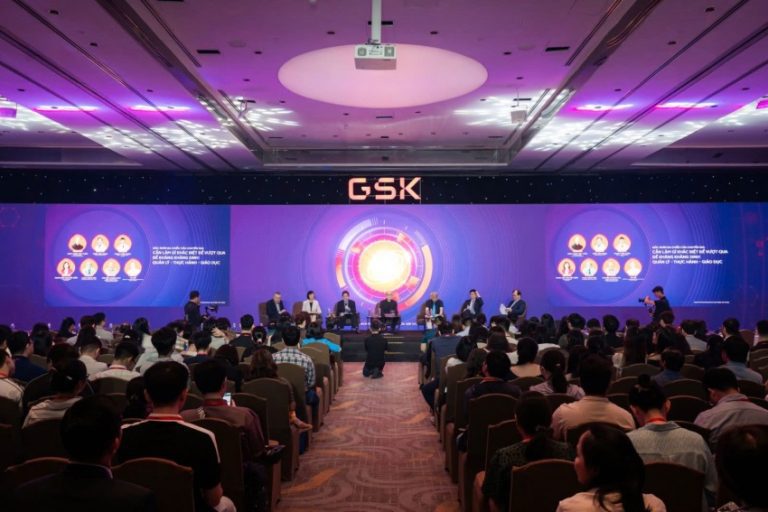
To elevate public and professional awareness and encourage responsible antibiotic use, the Vietnam Respiratory Society organized a symposium on antibiotic resistance and infection treatment strategies. The event, held on October 25 and 26 in Hanoi and Ho Chi Minh City, was conducted in collaboration with GSK Vietnam, coinciding with the lead-up to World Antimicrobial Awareness Week (November 18–24).

Healthcare professionals at the event underscored the necessity for coordinated multidisciplinary action to control AMR, particularly given the widespread practice of antibiotic overuse for mild respiratory conditions.

An international expert noted that in 2019, one in five deaths among children under five was linked to antimicrobial resistance. Unnecessary antibiotic use is believed to destroy beneficial bacteria, allowing resistant strains to flourish and potentially transfer resistance to other bacteria. This escalating situation risks returning medicine to an era when many infections were considered incurable.

Data from the National Children’s Hospital indicate that respiratory illnesses accounted for the highest hospitalization rates from 2020 to 2024. Key bacterial strains causing community-acquired pneumonia in children in Northern Vietnam, such as Haemophilus influenzae, Streptococcus pneumoniae, and Moraxella catarrhalis, are currently showing high resistance levels to commonly prescribed antibiotics, including beta-lactams and macrolides.

Recommendations from experts include adhering to pediatric antibiotic stewardship strategies based on the WHO classification framework (dividing antibiotics into Access, Watch, and Reserve groups) and utilizing diagnostic tools for precise pathogen identification. This ensures correct and adequate antibiotic use while reducing unnecessary prescriptions for viral infections.

A marked reduction in the susceptibility of pneumococcal strains causing respiratory infections to second-generation cephalosporins and macrolides serves as a warning sign of the increasing complexity of antibiotic resistance in managing ear, nose, throat infections, and adult community-acquired pneumonia. This mandates close collaboration between microbiological testing and rational antibiotic selection in clinical settings.

Referring to Ministry of Health antibiotic use regulations, the importance of understanding antibiotic classification, pharmacokinetics, and pharmacodynamics was highlighted as fundamental for selecting the correct drug and sufficient dosing to overcome resistance. The role of community pharmacists in counseling patients to adhere to the full course of therapy was also considered crucial for mitigating AMR.

To build an effective and sustainable infection management strategy, experts proposed a comprehensive approach that relies on up-to-date microbiological data from hospitals, specialized research initiatives, drug use surveys, and the harmonization of treatment guidelines alongside professional training for healthcare workers at all levels.

On the corporate front, GSK launched the global Fleming Initiative in 2024, a network connecting expertise across science, clinical practice, policy, and community engagement to develop innovative solutions against AMR. With over 70 years in antibiotic research and production, the company holds the industry’s largest AMR-focused research and development portfolio, featuring over 30 medicines and vaccines in development, 12 of which target pathogens classified as ‘critical’ or ‘urgent’ by the WHO and the US Centers for Disease Control and Prevention.

In Vietnam, GSK has contributed to AMR efforts for over three decades through partnerships with health organizations, the British Embassy, medical associations, hospitals, pharmacies, and healthcare professionals to promote the rational use of antibiotics and expand vaccine coverage.

Source: https://vir.com.vn/gsk-expands-efforts-to-fight-antimicrobial-resistance-in-vietnam-141209.html?utm_source=chatgpt.com

HCMC University Medical Centre and Novartis Strengthen Medical Collaboration

0

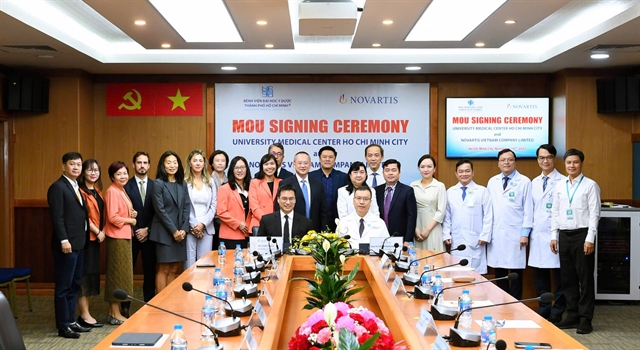
On November 19, in Ho Chi Minh City, the University Medical Centre of Hồ Chí Minh City (UMC) and Novartis Vietnam Ltd. signed a Memorandum of Understanding (MoU) for the 2025–2027 period. This agreement reinforces a long-term partnership that was first established in 2021.

The core objectives of the agreement are to foster medical innovation, expand clinical research capabilities, and strengthen healthcare workforce training, with the goal of improving patient outcomes in Việt Nam. Associate Professor Dr. Nguyễn Hoàng Định, Vice Director of UMC, indicated that the collaboration contributes to expanding the hospital’s network of strategic partners, bringing new opportunities in training and treatment, and helping to realize the vision of innovative medicine for patient health.

The partnership outlined in the MoU concentrates on four key areas: developing and expanding the Centre of Excellence model, enhancing healthcare professionals’ capabilities, advancing clinical research cooperation according to international standards, and expanding patient-oriented programs.

Moving forward from 2025, Novartis and UMC will continue to expand their partnership across core areas, including treatment enhancement, professional education, and clinical research. Ongoing initiatives include the UMC Health Project for transplant patients, the Lipid Control Centre Project, and the SpA Optimal Management Program for patients with axial spondylarthritis. Medical education collaboration will also be strengthened through the Education Partnership Programme, the Continuous Medical Education Programme, clinical pharmacy training, and patient education.

In parallel, UMC and Novartis will participate in Novartis Global Trials, with six ongoing clinical studies in Việt Nam focusing on innovative therapies, aiming to provide Vietnamese patients with advanced treatment options and improved quality of life. Jondy Syjuco, Country President of Novartis Vietnam, expressed confidence that combining Novartis’ global research strength with leading hospitals will advance clinical research, strengthen medical capacity, and enable patients in Việt Nam to access high-quality therapies sooner.

Source: https://vietnamnews.vn/society/1730103/hcmc-university-medical-centre-novartis-strengthen-collaboration-to-advance-medical-innovation-and-healthcare-training-in-vn.html?utm_source=chatgpt.com

Vietnam’s Healthcare Sector on the Verge of a Breakthrough: Expectations for Digital Transformation

0

At the 23rd Annual Scientific Conference of the Southern Region Hospital Directors Club, delegates focused their discussions on digital transformation, the application of technology in hospital management, and professional support. This Club, established in 2000 under the Ministry of Health’s direction, comprises health units from provinces and cities in the Southern region. The 2025 Conference took place over two days, November 27 and 28.

Associate Professor, PhD, MD. Nguyễn Tri Thức, Deputy Minister of Health, emphasized that digital transformation and technology application are considered the “gateway” for the health sector to enter the digital era. He affirmed that high technology and artificial intelligence (AI) are key for Vietnam’s health sector to achieve a breakthrough. His remarks came as the 15th National Assembly session in Hanoi prepared to pass several laws, including the Law on Digital Transformation and amendments to the Law on High Technology. He also noted that Vietnam is the first country to pass a Law on AI.

Ms. Nguyễn Thị Minh Thúy, Vice Chairwoman of the An Giang Provincial People’s Committee, agreed that the health sector must lead in applying new technologies to protect and care for public health. She expressed hope that the event would provide valuable learning opportunities for An Giang province regarding advanced management models.

PhD, MD. Hà Anh Đức, Director of the Department of Medical Examination and Treatment Management – Ministry of Health, presented on the application of KPI (Key Performance Indicators) in healthcare, which is regarded as the “gold standard” in modern hospital administration. He stated that KPI is a governance tool that helps hospitals quantify operational efficiency, replacing subjective evaluations with concrete data, and promoting a culture of continuous improvement toward international standards. The Ministry of Health plans to soon develop and apply KPI across the medical examination and treatment system to build a quality, effective, and sustainable healthcare system, aligning with Resolution No. 72-NQ/TW.

During the Conference, MD. Level II Specialist Phạm Thanh Việt, Deputy Director of Administration and Operations at Chợ Rẫy Hospital, shared the successful experience of implementing electronic health records. He highlighted that the key to success was collective understanding and consensus, not merely the software. Adopting electronic records improves resource efficiency, reduces administrative workload for staff, and enhances patient care quality.

The Southern Region Hospital Directors Club regularly organizes its annual scientific conference, providing hospital managers with opportunities to update on new policies and exchange management experiences.

Source: https://suckhoedoisong.vn/nganh-y-te-viet-nam-truoc-co-hoi-cat-canh-ky-vong-vao-chuyen-doi-so-169251128184943819.htm

Da Nang Possesses Great Potential to Become a Medical Tourism Hub

0

Da Nang is assessed as a locality with significant advantages for developing medical tourism. Mr. Tran Quoc Bao, Senior Advisor at Asian Hospital & Healthcare Management (AHHM), shared that the city boasts an outstanding “dual infrastructure,” including a high-class tourism network (leading the country in five-star hotels) and a robust healthcare system. The geographical location, nestled between mountains and the sea, offers an ideal environment for patient recovery, which is seen as the city’s strength to become Central Vietnam’s medical tourism capital.

The city is actively implementing its Medical Tourism Development Project for the 2025 – 2030 period, demonstrating its readiness to enter this promising market. Under its development plan until 2030, with a vision to 2050, Da Nang will concentrate on establishing a system of international-standard medical facilities and diversifying medical tourism products such as intensive treatment, rehabilitation, traditional medicine, wellness services, and therapeutic retreats.

Da Nang is also focusing on strengthening human resource training, boosting public-private partnership, and enhancing the application of digital technologies and artificial intelligence (AI) in management and services. Experts recommend integrating tools like telemedicine, AI-assisted diagnostics, and unified data systems to improve clinical outcomes. The promotion of the image of “Da Nang – Destination of Health and Happiness” to international audiences is also being ramped up.

However, experts also point out that the lack of a specialized medical visa policy remains a competitive disadvantage compared to regional markets like Thailand and Singapore. To build trust among international patients, the city needs to incorporate international standards such as JCI accreditation (granted by the U.S. Hospital Quality Accreditation Organization) into its healthcare system, while ensuring a high-quality patient journey from airport pickup through treatment. Mr. Nguyen Duc Quynh, Chairman of the Da Nang Hotel Association, advised the city to develop health tourism products that integrate intensive care with cultural and relaxation values.

Source: https://en.baodanang.vn/da-nang-s-strategy-to-position-itself-as-medical-tourism-hub-3311180.html

Vietnam Implements Hepatitis D Screening for the First Time to Global Standards

0

A crucial study regarding Hepatitis Delta Virus (HDV), titled HEP-D, is being executed in Vietnam, adhering to international standards. HDV is a dangerous virus that only infects individuals already carrying Hepatitis B Virus (HBV). This co-infection accelerates the progression to cirrhosis and liver cancer by 2 to 3 times. Vietnam currently has approximately 10 million people with Hepatitis B, yet most patients have never been screened for HDV.

The HEP-D study is one of four key collaboration projects signed in 2023 between the Tam Anh Research Institute and the Stanford Center for Viral Dynamics and Microbiology Research (USA). This is the largest, first-of-its-kind multi-center study on HDV in Vietnam, implemented at Tam Anh General Hospital Hanoi, Tam Anh General Hospital HCMC, and Bach Mai Hospital.

The research is scheduled to run from November 2025 to July 2026. Beginning November 25, the three hospitals will commence patient recruitment. Eligible participants are patients aged 16 years and older who have been diagnosed with chronic Hepatitis B.

To conduct the research according to international standards, the Tam Anh Research Institute and Hospital System invested in specialized equipment. The Stanford Center directly provided training on HDV testing techniques following the “Stanford standard” for the medical team. The core technique utilized is Q-MAC, which employs the BioDot and Odyssey DLx systems (USA). This assay uses the quantitative microarray antibody capture method to detect Ig-G antibodies against the HDV virus.

The Tam Anh Research Institute is fully sponsoring the cost for the first nearly 2,500 testing cases to encourage patients to participate in screening. The study aims to provide co-infected patients with an opportunity for early detection and proactive prevention against rapid progression to cirrhosis and liver cancer. Furthermore, the HEP-D study serves as an opportunity for Vietnam to standardize the Hepatitis D screening process, enhance diagnostic capabilities, and prepare to potentially receive newly developed HDV treatment drugs.

Source: https://baochinhphu.vn/lan-dau-tien-viet-nam-tam-soat-viem-gan-d-theo-chuan-quoc-te-huong-toi-nghien-cuu-thuoc-phat-minh-dieu-tri-102251124205437406.htm

Dental System Leads Ho Chi Minh City Department of Health’s 15-Criteria Ranking

0

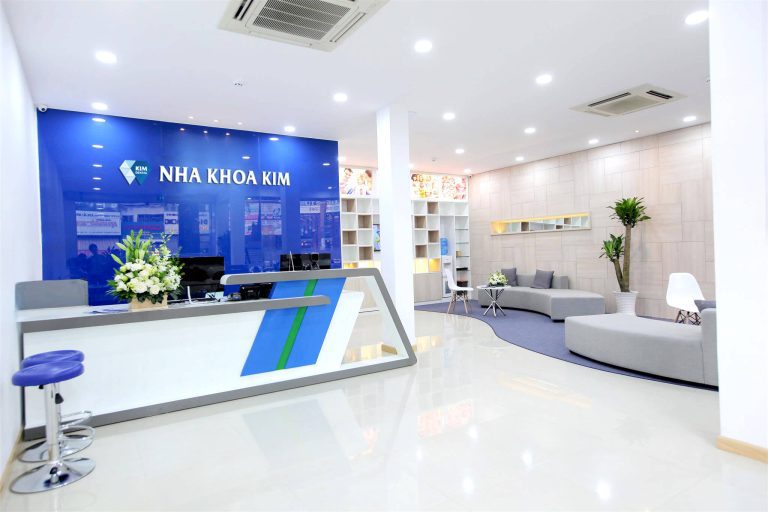
The Ho Chi Minh City Department of Health (Ho Chi Minh City DoH) has announced the results of its dental clinic quality ranking based on a rigorous set of 15 criteria. Among the facilities evaluated, the Kim Dental System achieved the leading position, affirming its treatment quality and safety standards.

Due to the rapid boom in the Ho Chi Minh City dental market leading to chaotic information, the Ho Chi Minh City DoH developed the 15 Quality Criteria Set (Version 2.2). This set of standards is based on international criteria and the 2023 Law on Medical Examination and Treatment, aiming to ensure maximum patient safety and encourage dental clinics to improve quality.

The 15 Quality Criteria Set and Inspection Results

  • Scope: The criteria encompass all facets of a safe medical facility, including practicing personnel, physical infrastructure, technical service listings, infection control procedures, radiation safety, and price transparency.

  • Inspection Process: The DoH deployed 5 independent inspection teams that conducted surveys at various times, including weekends, to accurately document daily operational status.

  • Achievement: As of November 10, 2025, Kim Dental set a record by securing all 12 highest positions across the announced ranking rounds.

Kim Dental’s Development Strategy

Instead of participating in a price-cutting competition, Kim Dental opted for a “counter-current” strategy, investing in infrastructure and management processes to meet rigorous standards. This strategy relies on three main pillars:

  1. Safety: Adherence to the highest standards of infection control (sterilization) to prevent the risks of cross-infection.

  2. Aesthetic Expertise: The facility excels in three areas: braces, aesthetic porcelain veneers/crowns, and Implant placement, supported by modern equipment and procedures (e.g., X-Guide Robot technology for Implant placement).

  3. Cost: Meeting the criterion of price transparency, Kim Dental publicly lists all-inclusive costs with a commitment to no hidden fees and transparent consultation based on the customer’s actual needs.

Accolades and International Cooperation

  • Cooperation: Kim Dental is a partner in the FIELD Global Immersion program of Harvard Business School (USA), focusing on training and research collaboration.

  • Investment: It is a private medical unit that received investment from the Temasek Fund (under the Government of Singapore), having passed rigorous Due Diligence on governance, finance, and legal compliance.

  • Award: In 2024, the Ho Chi Minh City DoH presented Kim Dental with the “Vietnam Medical Achievement – Smart Healthcare” award, recognizing its pioneering efforts in applying digital technology to medical care processes.

This ranking by the Ho Chi Minh City DoH is viewed as an information “filter,” providing consumers with an official, transparent source of information for selecting dental services.

Source: https://vietnamnet.vn/nha-khoa-kim-dan-dau-bang-xep-hang-15-tieu-chi-cua-so-y-te-tp-hcm-2466827.html

Proposal to Add 76 New Drugs to Health Insurance Coverage List

0

The Ministry of Health is proposing to add 76 new drugs to the list covered by Health Insurance (BHYT). This information was shared at a workshop discussing the draft Circular on the List of Chemical Drugs, Biologic Products, etc., held on the morning of November 28.

Among the 76 proposed additions, 28 drugs are for cancer and immune modulation treatment, with 22 of these being targeted therapies. Ms. Tran Thi Trang, Director of the Health Insurance Department (Ministry of Health), noted that this group represents the largest addition in this revision and is currently the most expensive category, featuring many newer medications.

The goal of issuing the new drug list is to promote a policy of rational, safe, and effective drug use, while ensuring the rights of BHYT participants and gradually reducing the percentage of out-of-pocket expenses for those insured.

This current drug list adjustment represents the largest update in the past 8 years. The review process examined all 1,037 active ingredients in the current list. The drafting committee proposes the following changes:

  • Adding 76 new drugs.

  • Modifying payment rate and condition regulations for 47 drugs.

  • Removing 130 drugs that no longer meet the established criteria.

According to estimates from the Health Insurance Department, changing the payment conditions for the 47 drugs is expected to save patients approximately 105 billion VND over 5 years (averaging 21 billion VND annually), as the reduction in patient self-paid costs (376 billion VND) outweighs the increase in co-payment costs (271 billion VND).

The removal of 130 drugs (mostly non-circulating drugs) is estimated to save the BHYT fund 3,343 billion VND next year and save patients 82.6 billion VND in co-payment costs.

Ms. Trang also reported that in 2024, the total cost for BHYT medical examination and treatment was nearly 150 billion VND, with drug payments accounting for 30%. Approximately 40 million people regularly use BHYT for check-ups, corresponding to 186 million visits annually. Despite this coverage, people still pay 40% of medical expenses out-of-pocket.

Source: https://vietnamnet.vn/76-thuoc-moi-du-kien-duoc-bhyt-thanh-toan-co-28-thuoc-dieu-tri-ung-thu-2467340.html

Sandoz Launches New Biosimilar Option in Europe

0

The Sandoz group has officially introduced Afqlir, its biosimilar referencing aflibercept, across various European markets. The drug received approval from the European Commission in November 2024.

Afqlir is currently available as a 2 mg vial kit and a pre-filled syringe designed for intravitreal injection. The medication is authorized for the same indications as the reference product, including the treatment of neovascular age-related macular degeneration (nAMD), retinal vein occlusion (RVO), and diabetic macular edema (DME) in adult patients. Clinical data confirms that Afqlir demonstrates equivalent efficacy, safety, and pharmacokinetics to the reference drug.

Retinal diseases, particularly nAMD, are among the leading global causes of vision loss. Although aflibercept is considered a gold-standard therapy, the high cost of current treatments places a significant burden on healthcare systems.

Sandoz is rolling out Afqlir across Europe, beginning in the United Kingdom, with subsequent launches planned in key markets such as Germany and France, and further expansion expected in 2026. The launch strengthens Sandoz’s position in the anti-VEGF ophthalmology market, which is valued at approximately $15 billion, aligning with the company’s goal of improving access to high-quality, affordable biologics and supporting more sustainable care across the region.

Source: https://ophthalmologybreakingnews.com/sandoz-launches-afqlir-in-europe

US Regulator Approves Spinal Gene Therapy

0

The U.S. Food and Drug Administration (FDA) has approved the intrathecal (spinal injection) formulation of the gene therapy onasemnogene abeparvovec, manufactured by Novartis and marketed as Itvisma. The medication is specifically indicated for patients aged 2 years and older living with spinal muscular atrophy (SMA).

This approval introduces a crucial new administration option, becoming the first treatment for SMA delivered via the intrathecal route. The gene therapy is engineered to address the disease’s genetic root cause by delivering a functional copy of the SMN1 gene, thereby promoting improved motor function. The therapy had previously received approval in 2019 as a single intravenous infusion for a broader SMA population.

The FDA’s latest decision was based on positive data from the Phase 3 STEER study and supportive findings from the Phase 3b STRENGTH study. The STEER trial, which included 126 treatment-naive patients with Type 2 SMA, successfully met its primary endpoint. Specifically, patients who received the intrathecal medication showed a statistically significant improvement of 2.39 points on the Hammersmith Functional Motor Scale-Expanded (HFMSE) score, notably higher than the 0.51-point gain observed in the sham group.

The STRENGTH study evaluated the treatment’s safety and efficacy in 27 SMA patients who transitioned from previously approved therapies. The treatment maintained a consistent safety profile over the 52-week period. During this time, patients demonstrated stabilization, achieving an average increase of 1.05 points on the HFMSE score. Importantly, no deaths or study discontinuations were reported due to adverse events.

Though not part of the formal approval data, the STRONG study, which tested the drug on older patients, indicated that this group showed significant HFMSE score improvements when compared to historical control data.

Medical experts noted that this approval provides a vital new treatment option for the SMA community, significantly expanding accessibility, particularly for older patients.

Source: https://www.neurologylive.com/view/fda-approves-new-intrathecal-administration-route-spinal-muscular-atrophy-gene-therapy

Pharmaceutical Giant Commits Major U.S. Manufacturing Investment

0

The pharmaceutical corporation AstraZeneca announced a plan to invest $2 billion to expand its production capabilities within the state of Maryland. The funding is allocated to significantly increase biologics manufacturing capacity and establish a new facility for supplying clinical-stage molecules, consequently strengthening the United States’ medicine supply chain.

Projects and Timeline:

  • Locations: The investment will be distributed across two sites in Maryland: Frederick and Gaithersburg.

  • Objective: To nearly double the commercial biologics manufacturing capacity at the Frederick site and construct a new facility in Gaithersburg dedicated to the development and supply of molecules for clinical trials.

  • Estimated Operational Date: Both projects are scheduled to be completed and operational by 2029.

Economic and Technological Impact:

  • Job Creation: The project will create a total of 300 new highly skilled jobs (200 in Frederick and 100 in Gaithersburg), in addition to preserving 400 existing roles. Furthermore, 1,900 construction positions will be created (900 in Frederick and 1,000 in Gaithersburg).

  • Technology: The upgraded Frederick facility and the new Gaithersburg site will integrate advanced technologies, including artificial intelligence (AI), automation, and data analytics, while adhering to the industry’s highest environmental standards.

  • Strategic Goal: This investment will enable the company to bring its rare disease portfolio onshore for manufacturing in the U.S. for the first time, accelerating patient access to transformative therapies.

Global Context:

  • The Maryland funding is one component of AstraZeneca’s larger $50 billion global investment strategy.

  • The company’s recent activities also include the modernization and expansion of its manufacturing facility in Coppell, Texas. This $445 million project aims to double the production capacity of Lokelma (sodium zirconium cyclosilicate), a drug used to treat hyperkalemia (high potassium levels). The Texas site is the sole facility globally producing Lokelma, supplying over 50 countries.

These developments reflect a broader industry trend among major pharmaceutical manufacturers to relocate production back to the United States.

Scientific Forum on Artificial Intelligence in Medicine

0

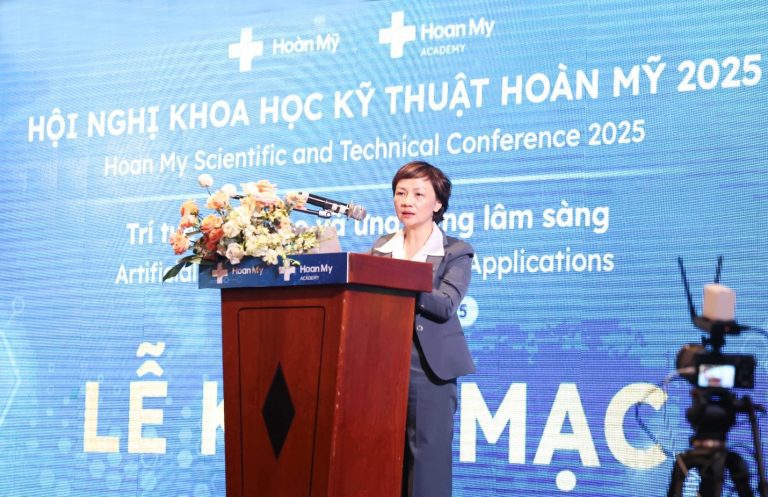
The Hoan My Medical Group organized its 2025 Science and Technology Conference under the theme “Artificial Intelligence and Clinical Applications”. The event took place in Ho Chi Minh City on November 20 and 21. This year’s conference marked the 10th anniversary of the annual gathering.

The conference brought together over 300 domestic and international experts to discuss advancements and innovative initiatives in the healthcare sector during the era of digital transformation.

Dr. Huynh Minh Chin, Deputy Director of the Ho Chi Minh City Department of Health, addressed the current challenges facing the medical industry, such as hospital overload pressure, the need to improve treatment quality, and the necessity of promoting technology application. He encouraged entities like Hoan My to enhance cooperation with research institutions and international organizations to boost innovation capacity.

The central focus of the conference was clarifying how to integrate Artificial Intelligence (AI) into diagnosis, treatment, and hospital quality management processes, with the goal of enhancing patient safety and effectiveness. Specialized sessions also updated attendees on sustainable healthcare trends and the future direction of precision medicine.

Ms. Huynh Bich Lien, CEO of Hoan My Medical Group, stated that applying technology to clinical practice is the foundation for the group to realize its vision of comprehensive and sustainable high-quality healthcare.

The conference structure included three pre-conference workshops, two plenary sessions, and three specialized workshop sessions, featuring nearly 100 scientific reports in total. The topics were broad, ranging from AI applications in diagnostic imaging, management of chronic diseases, and rehabilitation to clinical pharmacy, infection control, and hospital quality management.

Among the presentations, several studies by the Hoan My team were highly praised for their practical applicability, reflecting the progress in the group’s medical research.

Experts noted that the conference served as a vital bridge for cooperation in research, training, and technology transfer, aiming for a more precise and humane healthcare system. Assoc. Prof. Dr. Le Thi Anh Thu, Director of the Hoan My Institute for Training and Research, emphasized that the rapid development of technology is opening up many new opportunities for Vietnam’s healthcare sector.

Source: https://vnexpress.net/hoan-my-to-chuc-hoi-nghi-ve-ai-va-ung-dung-lam-sang-4985654.html

Launching the First Public Stem Cell Bank

0

On November 25, the Hanoi Obstetrics and Gynecology Hospital officially inaugurated and commenced operations for its Stem Cell Center – Tissue Bank. This is the first public medical facility licensed by the Ministry of Health to store a diverse array of cell lines, including umbilical cord blood stem cells, umbilical cord tissue, placental membrane, along with mesenchymal and epithelial stem cells.

The hospital is also the first public unit to fully satisfy the four comprehensively approved operational criteria: receipt and preservation, domestic supply, sample exchange with other banks, and international cooperation.

According to Dr. Mai Trong Hung, the Hospital’s Director, the center will begin applying stem cell lines derived from cord blood and tissue to treat various intractable illnesses. A critical objective is to create a breakthrough in treating premature ovarian failure, thereby supporting women’s chances of motherhood. This method also offers significant potential for patients suffering from conditions such as liver cirrhosis, diabetes, stroke, neurological injuries, respiratory and musculoskeletal system diseases, and certain types of blood cancer.

Technically, the center utilizes fully automated extraction technology within an internationally standard clean room system to maximize collection efficiency and minimize errors. The equipment includes an incubator with micro-environment control, an automated stem cell separator, and Flow Cytometry quality analysis technology capable of reading 10 fluorescence channels. The large-scale liquid nitrogen storage area has the capacity to simultaneously preserve over 5,000 units of hematopoietic stem cells.

Stem cells are highly valued in medicine for their inherent ability to self-renew and differentiate into various types of cells, tissues, or organs. When administered into the body, they function by replacing damaged cells or secreting biologically active substances that stimulate self-repair, aiding in the restoration of impaired organ function.

Source: https://vnexpress.net/co-hoi-tri-benh-kho-tu-ngan-hang-te-bao-goc-cong-lap-dau-tien-4986092.html