Caution Against Sudden Increase and Severe Complications of Influenza A
Physicians Advise on Proactive Prevention and Special Vigilance for High-Risk Groups
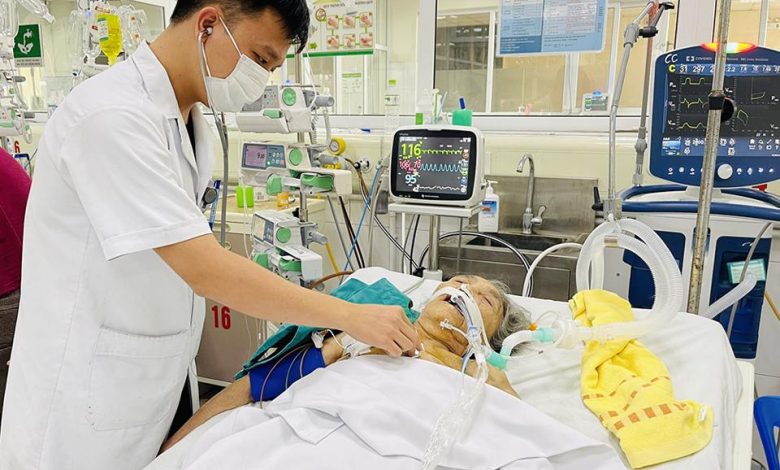
Seasonal flu cases have seen a sharp increase in the last two weeks, particularly in the Respiratory Infectious Diseases Department at a major Military Hospital, which reports approximately 20-30 patients seeking treatment and nearly 30 confirmed Influenza A cases requiring daily inpatient care. The rapid spread typically peaks during the winter-spring season, as cold and humid weather conditions favor viral development.
Disease Characteristics and Complication Risks:
The flu virus spreads rapidly through the respiratory tract via droplets from coughing, sneezing, or contact with contaminated surfaces. Influenza A usually has a sudden onset with symptoms such as high fever (38-40°C), cough, sore throat, nasal congestion, headache, fatigue, and muscle aches. Most healthy individuals can recover spontaneously after 5-7 days.
However, Influenza A can cause severe complications, especially in high-risk groups such as:
-
Individuals with Underlying Conditions: Those with cardiovascular disease, hypertension, diabetes, COPD, obesity, chronic kidney disease, and the elderly. This group is susceptible to secondary infections like pneumonia and bronchitis.
-
Pregnant Women: Require close monitoring of their respiratory status and pregnancy progression, with careful consideration given to fetal-safe medications to avoid dangerous complications.
Common complications include pneumonia, respiratory failure, exacerbation of underlying diseases, and severe infections.
Prevention and Treatment Recommendations:
Infectious disease specialists recommend that people take proactive and effective measures against Influenza A by:
-
Seasonal Flu Vaccination: This is the most effective measure to reduce the risk of illness and complications.
-
Hygiene Practices: Covering the mouth and nose when coughing or sneezing (preferably with a tissue, handkerchief, or the crook of the arm); frequently washing hands with soap; avoiding indiscriminate spitting, and limiting unnecessary contact with people infected or suspected of being infected with the flu.
-
Avoid Self-Medicating: If infected, patients should not self-medicate with antiviral drugs (such as Tamiflu) or antibiotics. Patients need to see a doctor for consultation and take medication only as directed by the physician.
Source: https://www.qdnd.vn/y-te/tin-tuc/canh-giac-voi-bien-chung-nang-do-benh-cum-a-1014760