Investigating Antibiotic Strategies to Address a Global Health Challenge
Vietnam Boosts Awareness of Antimicrobial Resistance in Respiratory Infection Management
Antimicrobial Resistance (AMR) is emerging as a critical worldwide public health threat, with the potential to cause at least 10 million deaths annually by 2050 without effective intervention. The World Health Organization (WHO) warns that, in addition to mortality, AMR also imposes substantial economic burdens.
Vietnam is among the nations increasingly affected by this situation, largely attributed to years of antibiotic overuse or misuse, including for non-bacterial infections.
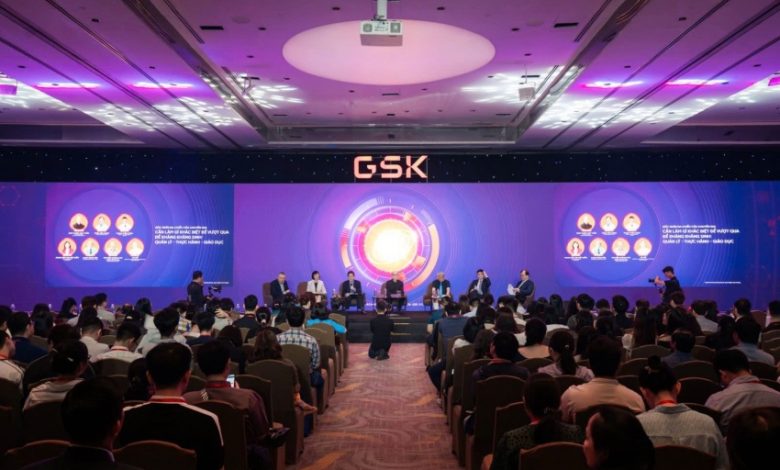
To elevate public and professional awareness and encourage responsible antibiotic use, the Vietnam Respiratory Society organized a symposium on antibiotic resistance and infection treatment strategies. The event, held on October 25 and 26 in Hanoi and Ho Chi Minh City, was conducted in collaboration with GSK Vietnam, coinciding with the lead-up to World Antimicrobial Awareness Week (November 18–24).
Healthcare professionals at the event underscored the necessity for coordinated multidisciplinary action to control AMR, particularly given the widespread practice of antibiotic overuse for mild respiratory conditions.
An international expert noted that in 2019, one in five deaths among children under five was linked to antimicrobial resistance. Unnecessary antibiotic use is believed to destroy beneficial bacteria, allowing resistant strains to flourish and potentially transfer resistance to other bacteria. This escalating situation risks returning medicine to an era when many infections were considered incurable.
Data from the National Children’s Hospital indicate that respiratory illnesses accounted for the highest hospitalization rates from 2020 to 2024. Key bacterial strains causing community-acquired pneumonia in children in Northern Vietnam, such as Haemophilus influenzae, Streptococcus pneumoniae, and Moraxella catarrhalis, are currently showing high resistance levels to commonly prescribed antibiotics, including beta-lactams and macrolides.
Recommendations from experts include adhering to pediatric antibiotic stewardship strategies based on the WHO classification framework (dividing antibiotics into Access, Watch, and Reserve groups) and utilizing diagnostic tools for precise pathogen identification. This ensures correct and adequate antibiotic use while reducing unnecessary prescriptions for viral infections.
A marked reduction in the susceptibility of pneumococcal strains causing respiratory infections to second-generation cephalosporins and macrolides serves as a warning sign of the increasing complexity of antibiotic resistance in managing ear, nose, throat infections, and adult community-acquired pneumonia. This mandates close collaboration between microbiological testing and rational antibiotic selection in clinical settings.
Referring to Ministry of Health antibiotic use regulations, the importance of understanding antibiotic classification, pharmacokinetics, and pharmacodynamics was highlighted as fundamental for selecting the correct drug and sufficient dosing to overcome resistance. The role of community pharmacists in counseling patients to adhere to the full course of therapy was also considered crucial for mitigating AMR.
To build an effective and sustainable infection management strategy, experts proposed a comprehensive approach that relies on up-to-date microbiological data from hospitals, specialized research initiatives, drug use surveys, and the harmonization of treatment guidelines alongside professional training for healthcare workers at all levels.
On the corporate front, GSK launched the global Fleming Initiative in 2024, a network connecting expertise across science, clinical practice, policy, and community engagement to develop innovative solutions against AMR. With over 70 years in antibiotic research and production, the company holds the industry’s largest AMR-focused research and development portfolio, featuring over 30 medicines and vaccines in development, 12 of which target pathogens classified as ‘critical’ or ‘urgent’ by the WHO and the US Centers for Disease Control and Prevention.
In Vietnam, GSK has contributed to AMR efforts for over three decades through partnerships with health organizations, the British Embassy, medical associations, hospitals, pharmacies, and healthcare professionals to promote the rational use of antibiotics and expand vaccine coverage.