Traditional Pharmacies Face Pressure to Transform to Modern Models
Competition from Modern Chains Drives Demand for Upgraded Service Standards and Digitization in Ho Chi Minh City
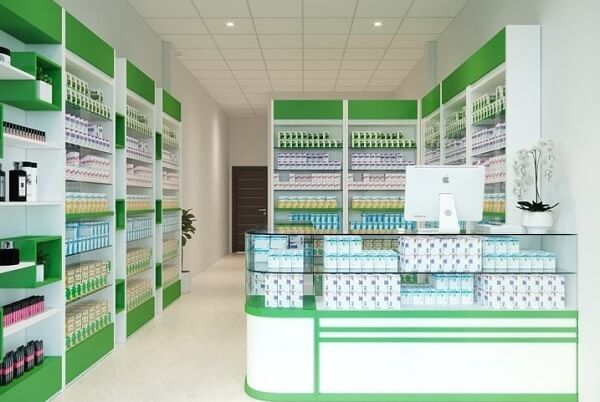
Ho Chi Minh City is a massive pharmaceutical market, accounting for an estimated 25-30% of the entire country’s volume, featuring over 8,450 pharmacies and nearly 650 traditional medicine dispensing facilities. However, the “blossoming” of modern pharmacy chains (such as Long Châu, Eco Pharma, and An Khang), which offer spacious display areas, professional service, and electronic management systems, is creating intense competition.
Challenges for Small-Scale Pharmacies:
Small retail pharmacies are encountering severe difficulties. Revenue has declined sharply while rental costs and input drug prices have increased. Traditional pharmacy owners report that customers are becoming scarce due to concerns over counterfeit or vaguely sourced medicines at small, individual counters.
The Necessity for Model Innovation Based on Customer Trends:
Modern customers prioritize reputable places where they can:
-
Check drug prices transparently.
-
Verify clear origins.
-
Receive professional consultation from pharmacists.
Modern chains excel at meeting these requirements. Experts advise that if traditional pharmacies wish to compete, they must be bold enough to change, learn from the modern model, and improve price listing, display, preservation, and customer consultation. This will foster a sense of security and attract buyers.
Demand for Digitization and Standardization:
Beyond changing the business mindset, digitization is also a critical factor. Although many pharmacies have installed retail drug management software as mandated by the Ministry of Health, the operation and utilization remain limited. Many facilities install the software merely as a formality, while still relying on manual methods for sales and management.
Ho Chi Minh City is implementing the National Strategy for the Development of the Vietnamese Pharmaceutical Industry with the goal that 100% of pharmaceutical business establishments meet “Good Practices” standards. The city is strengthening support efforts:
-
Enhancing market management and drug control.
-
Training and fostering skills in pharmaceutical consultation, management, and digital transformation for pharmacists.
-
Supporting loans to upgrade medicine counters and pharmacies.
In addition to specific support policies from the city, retail pharmacies need to proactively invest and innovate to catch up with the new trend, meet modern pharmacy standards to enhance competitiveness, and meet the increasingly high demand for community healthcare.