Quality Control Tightened: List of 46 Foreign Companies with Substandard Drugs Announced
Ministry of Health Mandates 100% Sample Testing for Imported Batches from Listed Foreign Pharmaceutical Manufacturers
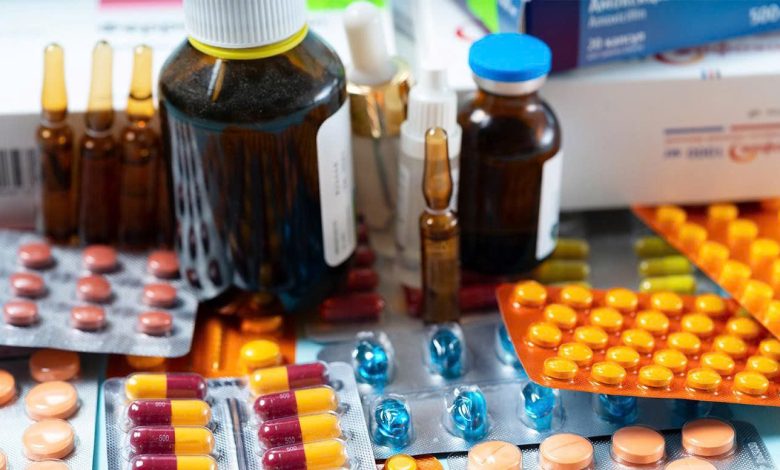
On the afternoon of December 2, the Drug Administration of Vietnam (DAV) under the Ministry of Health updated the list of 46 foreign pharmaceutical manufacturers with substandard drugs. These companies are now subject to pre-inspection measures, requiring 100% of their imported drug batches into Vietnam to be sampled and tested for quality.
Legal Framework and Evaluation Mechanism:
The review of the list is based on the results of quality monitoring of drugs currently in circulation and the assessment of the manufacturers’ rectification efforts. This measure aligns with Circular No. 30/2025/TT-BYT, which governs the announcement, updating, and removal of names from the List of Manufacturing Facilities with Substandard Drugs.
Foreign companies wishing to be removed from the list must undergo a specified period of 100% pre-inspection of imported batches without detecting any violations. In this Phase 42 update, only one company, Zee Laboratories – India, was successfully removed from the list after fully meeting the requirements by completing 100% quality inspection without violations.
Management Objectives and Oversight Mandate:
The requirement for 100% pre-inspection of imported batches is deemed a necessary measure to protect patient safety, given that Vietnam imports a large volume of finished drugs and ingredients from various markets.
The DAV has instructed local Departments of Health and sectoral medical units to enhance supervision of compliance with imported drug quality inspection regulations and to strictly penalize violating organizations and individuals.
The update of the pre-inspection list will be performed periodically to ensure transparency. This practice helps the medical examination and treatment system and importing units to be aware and proactive in selecting suppliers, thereby minimizing the risk of substandard drugs reaching patients.