Monday, April 6, 2026
Home Blog Page 8

Urgent Deployment of National Digital Management System for Healthcare Activities

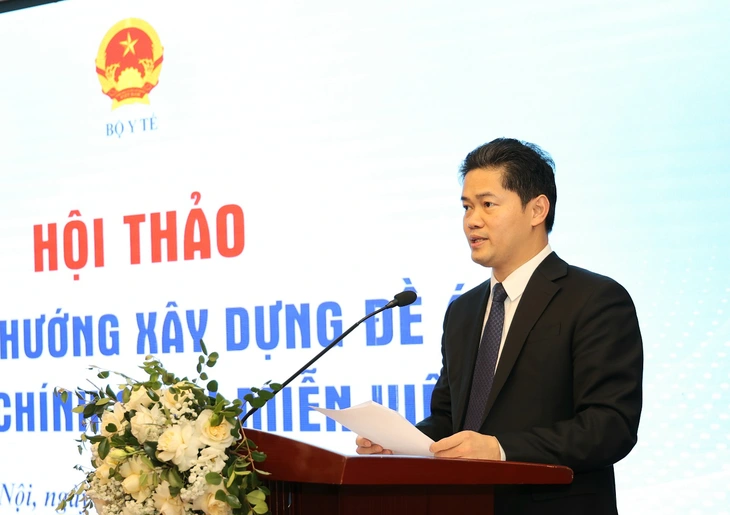
The Vietnamese Ministry of Health (MoH) is urgently deploying the National Management System for Medical Practice and Examination and Treatment (MET) Activities. This initiative is identified as a key task to concretize the Government’s major digital transformation policies, aiming to build synchronized and interconnected data infrastructure across the healthcare sector.

Context and Need for Transformation:

According to the Department of Medical Examination and Treatment Administration (META), the past management of medical practice and MET activities showed several shortcomings. Data was often scattered, updated manually, and lacked synchronization, making it difficult to monitor changes in personnel and the professional scope of practice for practitioners.

System Objectives and Benefits:

The new system is expected to be a major turning point, bringing standardization and transparency to data management:

  • Unified Digital Profiles: Every practicing individual will possess a unified, complete, updated, and verified digital profile.

  • Standardized Data Repository: Every MET facility will establish a standardized data repository.

  • “Clean” Data Source: The entire sector will gain a source of “accurate – sufficient – clean – live” information to facilitate management and administration.

  • Ecosystem Interconnection: The system will connect with the National Population Database and aims for integration on the VNeID platform, creating an essential foundation for building a comprehensive digital ecosystem in healthcare.

Deployment and Training:

During the system training conference, META representatives provided an overview of the legal basis, objectives, and requirements for system deployment. They offered specific instructions on how to log in, update data, and operate accounts for both MET facilities and individual practitioners, ensuring that facilities and individual practitioners can implement the system immediately after the training.


Source: https://www.qdnd.vn/y-te/tin-tuc/khan-truong-trien-khai-he-thong-quan-ly-quoc-gia-ve-hanh-nghe-va-kham-chua-benh-1014790


Breakthrough in Large Brain Tumor Surgery: Continuous Functional Mapping Applied

Viet Duc University Hospital recently treated a patient (43 years old) diagnosed with a large diffuse parenchymal brain glioma (approximately 8cm) in the right hemisphere. The tumor had diffused deep into critical functional areas, including the motor area, language area, and the internal capsule—the region controlling movement on one side of the body.

Medical Challenges and Surgical Standards:

The surgical standard for high-grade malignant gliomas recommends maximal resection of the tumor plus an additional 4-5mm of invasive tissue to minimize recurrence. However, since the patient’s tumor diffused across nearly the entire hemisphere and encroached upon functional areas, the challenge was how to achieve maximal tumor removal while preserving neurological function.

Novel Breakthrough Technique:

For the first time at Viet Duc University Hospital, the surgical team successfully applied the technique of placing electrodes for continuous functional monitoring while the patient was under general anesthesia. This method replaced the traditional awake craniotomy, which is difficult to apply for tumors of such a large size and long operating duration.

The surgical procedure was strictly implemented:

  1. Approach Guidance: Cortical mapping was used to guide access through the “non-functional” area.

  2. Continuous Monitoring: Upon reaching the Central Grey Matter (containing the motor pathways), the surgeon used exploratory electrodes to simultaneously suction the tumor and detect functional signals. The electrode system was connected to corresponding muscle groups to monitor motor responses in real-time (right hemisphere surgery monitored the left arm/leg, and vice versa).

  3. Precise Warning: When approaching the functional area at about 3-4 mm, the device issued a warning, and at 1mm away, the signal was directly transmitted, allowing the surgeon to stop at the precise moment, thus maximally preserving neurological function while achieving maximal tumor resection.

Outcome:

Thanks to this technique, the team maintained safety even with the tumor encroaching upon nearly the entire hemisphere. Electrical stimulation before wound closure confirmed the patient’s limbs were still moving well. Post-surgery evaluation confirmed the patient had full preservation of motor function, despite the very wide diffusion of the tumor.

Source: https://www.qdnd.vn/y-te/benh-vien/lan-dau-tien-dat-dien-cuc-dinh-vi-vung-chuc-nang-trong-phau-thuat-u-than-kinh-dem-lan-toa-1014890

Organ Transplant Miracle: A Noble Gesture Saves 4 Critically Ill Patients

On November 29, Central Military Hospital 108 successfully performed its 6th multi-organ procurement and transplantation from a brain-dead donor this year, bringing a chance at life to four critically ill patients.

The Act of Donation and Professional Preparation:

The donor was a 42-year-old male patient admitted in a deep coma due to a pontine hemorrhage stroke, with a fatal prognosis. After the professional council confirmed the patient met the criteria for brain death through three separate diagnoses, the family consented to the donation of tissues and organs, driven by the desire to save multiple lives.

An emergency online consultation was immediately convened, involving internal and external experts, to finalize the strategy for organ retrieval and transplantation.

High-Level Technical Deployment and Synchronized Coordination:

The surgical teams simultaneously carried out the procurement and transplantation procedures:

  • At Central Military Hospital 108: The liver and two kidneys were transplanted to three patients. The kidney transplants presented significant challenges, notably one nearly 70-year-old male recipient with complex comorbidities (past cerebral stroke, coronary artery stent placement), requiring meticulous technique, particularly in connecting the renal artery.

  • Cross-Country Transport: The heart was urgently transported to Ho Chi Minh City to be transplanted into a 9-year-old pediatric patient at the University Medical Center HCMC. The coordination between the two hospitals was described as absolutely precise, timed minute by minute.

Favorable Post-Surgical Outcomes:

By late afternoon on November 29, all three transplants at Central Military Hospital 108 were successful. The three recipients showed positive signs immediately after surgery: the transplanted kidneys were functioning well with good urinary flow, the transplanted liver showed good function, and all vital signs were stable. The heart transported south also began beating again in the chest of the 9-year-old child.

This success marks the third consecutive multi-organ procurement and transplantation from a brain-dead donor in November for Central Military Hospital 108, demonstrating the professionalism and synchronized deployment readiness of the hospital in the field of organ transplantation.

Source: https://www.qdnd.vn/y-te/tin-tuc/them-nhieu-su-song-duoc-thap-sang-1014883


Standardization of Field Hospitals to Enhance Epidemic Response Capabilities

The Military Medical Department (Ministry of National Defence) organized a workshop to consult experts and military unit leaders on finalizing the Draft Regulation concerning the functions, tasks, organization, and staffing of the Infectious Disease Field Hospital (IDFH), which operates as a concurrent duty.

Urgency and Practical Experience:

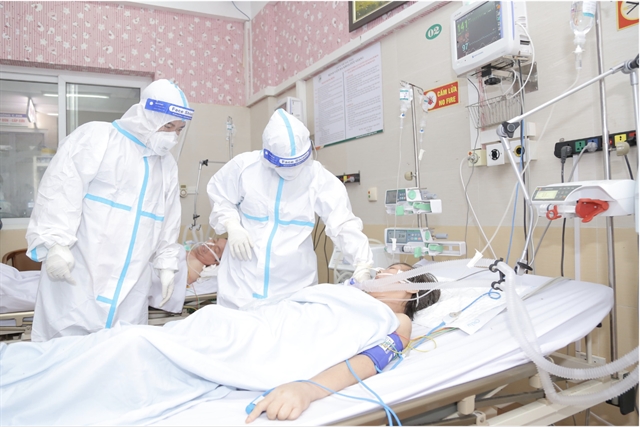
The IDFH model is considered an essential medical solution for responding to military and civilian emergencies, especially against the challenge of non-traditional security and dangerous, rapidly spreading infectious epidemics. This model was developed since the 2003 SARS epidemic and was extensively utilized during the COVID-19 pandemic, with 12 field hospitals ranging from 150 to 1,000 beds.

However, practical experience revealed several shortcomings in force organization, bed capacity, service ratio, department structure, deployment location, and material equipment.

Objective of the New Draft Regulation:

The Draft Regulation, developed by the Military Medical Department, aims to standardize and enhance response capabilities. The draft clearly specifies the function, scale, command structure, agency, and system of specialized departments corresponding to each IDFH model.

Proposals raised during the workshop focused on:

  • Staffing Increase: Supplementing the total staff allocation to ensure operational capacity and quality of treatment.

  • Flexible Structure: Building a flexible organizational structure adaptable to all epidemic levels and situations.

  • Training and Drills: Organizing regular training, drills, and exercises for IDFH deployment.

  • Operational Factors: Submitting proposals regarding deployment locations, isolation methods, and waste disposal for infection control, as well as operational funding.

Conclusion and Next Steps:

The Director of the Military Medical Department acknowledged the discussions and requested the department to incorporate the contributed opinions. The Military Medical Department will continue to revise the Draft to suit practical deployment within the Army. Once finalized and promulgated, the Regulation will serve as a crucial legal basis for hospitals to train, invest, drill, and be ready to deploy IDFHs in all situations.

Source: https://www.qdnd.vn/y-te/benh-vien/quy-mo-benh-vien-da-chien-truyen-nhiem-se-linh-hoat-de-ung-bien-moi-cap-do-dich-1014948

The Journey of Identification and Hope for Spinal Muscular Atrophy Patients

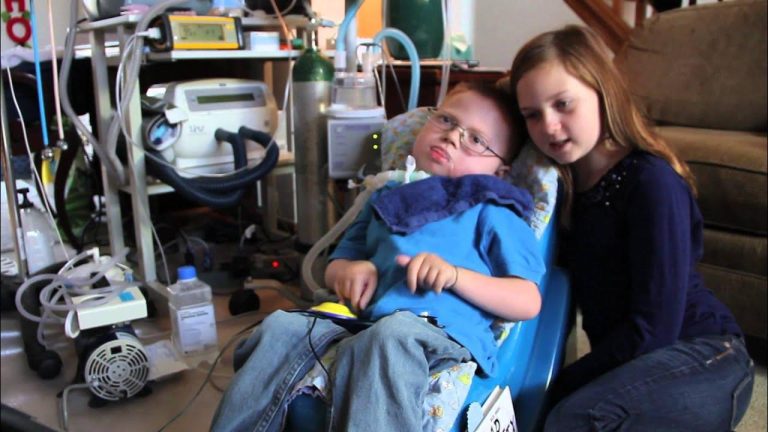
Spinal Muscular Atrophy (SMA) is a rare genetic disorder, dubbed the “muscle strength thief” of children. It is one of the most dangerous genetic disorders in young children, with an incidence rate of approximately 1 in 10,000 live birthsand a mortality risk of up to 90% before the age of two for its most severe form.

To enhance awareness and support for children living with SMA, the National Fund for Vietnamese Children (NFVC) has collaborated with Novartis Vietnam to implement the project “Raising Awareness and Enhancing Support for Children with Spinal Muscular Atrophy in Vietnam” (SMA – Empowering Children with SMA).

Disease Mechanism and Early Signs

According to medical experts, SMA is a rare genetic disorder caused by a defect in the SMN1 gene, leading to the degeneration of motor neurons and the progressive weakening of muscles. The severity of the disease depends on the amount of residual SMN protein in the body.

.Early signs that parents should watch for include:

  • Weak movement, difficulty holding the head up.

  • Delayed milestones such as sitting, crawling, or walking.

  • Reduced limb movement and muscle wasting.

  • Accompanied by difficulty breathing or frequent choking.

Diagnosis relies on clinical examination combined with SMN1 gene testing, sometimes supplemented by electromyography. Early detection is critical as it allows for more effective intervention, ranging from physical therapy and rehabilitation to the currently available specific drugs, aimed at maintaining muscle strength and slowing down disease progression.

Challenges and Community Support Solutions

The NFVC representative shared that families with children suffering from SMA face intertwined pressures, including the massive financial burden of treatment costs and mobility equipment, prolonged psychological distress, and sometimes stigma from the community.

Therefore, building a cohesive community among patient families and raising social awareness about SMA are key to eliminating prejudice and creating a proper supportive environment. The Fund also plans to expand social resource mobilization, develop specialized care services, and provide skill training for caregivers to help them confidently navigate the treatment process.

The NFVC and Novartis Vietnam collaborative project has a total budget exceeding VND 8.1 billion for the 2022-2025 phase, focusing on strategic activities such as community awareness campaigns, supporting gene testing, enhancing the diagnostic/treatment capacity of healthcare staff, and researching policy proposals.

Source: https://www.qdnd.vn/y-te/suc-khoe-tu-van/benh-teo-co-tuy-hanh-trinh-tu-phat-hien-den-hy-vong-1014945

Eli Lilly and NVIDIA Announce Partnership to Build Advanced AI Supercomputer

0

Pharmaceutical giant Eli Lilly and technology firm NVIDIA have disclosed a collaboration to construct a new supercomputing system. The project is considered one of the largest Artificial Intelligence (AI) partnerships within the pharmaceutical sector to date, designed to hasten the discovery process and reduce the development timeframe for novel medicines.

The computing system, which will operate on renewable electricity, is scheduled to be housed within Lilly facilities. Utilizing more than a thousand Graphics Processing Units (GPUs), the installation is set to function as a powerful computational infrastructure capable of managing the entire AI lifecycle, from training to deployment.

1. Breakthrough Application in Life Sciences

This formidable computing capability will enable researchers to train AI models on millions of experimental data points, allowing for the rapid identification of potential therapeutic compounds.

Select AI models will be integrated into Lilly TuneLab, the company’s $1 billion AI/Machine Learning (ML) drug discovery platform. This platform is offered to biotech companies free of charge, provided they contribute necessary training data in return.

Beyond enhancing early-stage discovery, Lilly plans to leverage the supercomputer to compress the journey from research to market. The technology is slated for use across various processes, including critical planning, medical image analysis, and manufacturing optimization.

2. The Transformation of Drug Research

Kimberly Powell, Vice President of Healthcare at NVIDIA, stated that contemporary AI infrastructures are emerging as the new instrumentation of science. This shift moves discovery away from guesswork-based experimentation toward the deliberate and intentional design of treatments.

Thomas Fuchs, Lilly’s Chief AI Officer, emphasized that the objective extends beyond mere speed, focusing instead on the ability to query biology at a massive scale. This will deepen the understanding of disease and translate that knowledge into meaningful scientific and therapeutic advancements.

The integration of AI into drug development is not a novel concept. Employing AI early in the drug lifecycle can boost success rates, lower operational expenses, and broaden the capacity for identifying new therapeutic agents.

Other major pharmaceutical companies have also pursued AI partnership deals:

  • AstraZeneca asserted that AI must be regarded as a “thought partner” in the drug discovery process (March 2025).

  • Novo Nordisk signed an agreement with NVIDIA to utilize the latter’s supercomputer housed at the Danish Centre for AI Innovation (June 2025).

  • NVIDIA previously collaborated on the construction of Cambridge-1, the UK’s most powerful supercomputer, partnering with GSK, AstraZeneca, and the National Health Service (NHS).

According to a report by GlobalData, the specialized global market for AI applications is anticipated to reach $512 billion by 2030.

Landmark Trade Agreement Shapes UK-US Pharmaceutical Market

0

The United Kingdom and the United States have reached a bilateral agreement to maintain zero tariffs on UK pharmaceutical shipments into the US for the next three years. This deal follows threats from the US President to raise import tariffs by up to 100% on branded drug imports, which constitute one of the UK’s largest exports to the US.

UK Commitments and Terms

In exchange for the tariff protection, the UK has agreed to implement significant changes to the National Health Service (NHS) pharmaceutical spending policy, marking the first time the amount paid for medicines is set to increase in over 20 years:

  • Medicine Price Threshold: The UK will increase the price threshold, at which it deems new treatments too expensive for approval, by 25%. This change is expected to lead to the approval of an additional three to five medicines annually.

  • Increased Health Budget: The UK aims to increase the overall NHS spending on medicines from 0.3% of GDP to 0.6% of GDP over the next 10 years.

  • Rebate Cap: The amount drug companies must pay back to the NHS to prevent overspending its allocated budget will be capped at 15% (down from over 20% in the previous year).

This agreement guarantees that UK pharmaceutical exports, valued at least at £5 billion annually, will enter the US tariff-free, protecting jobs and boosting investment.

US Perspective and Context

The US side, represented by the Health Secretary, hailed the agreement as a “historic step” towards ensuring that other developed countries “finally pay their fair share,” while bringing long-overdue balance to US-UK pharmaceutical trade.The US President had previously argued that American consumers subsidize medicines for other developed nations by paying premium prices.

The deal comes amidst mounting pressure following regulatory uncertainty and cost disputes in the UK, which had prompted major pharmaceutical companies to shift focus to the US, resulting in the cancellation or pause of several large UK investments over the past 18 months (including firms like GSK, Merck/MSD, and AstraZeneca).

Reaction and Impact

  • Pharmaceutical Industry (UK and US): Industry representatives expressed satisfaction, calling the deal a “real win” that will promote exports and enhance the UK’s competitiveness as a production and innovation base for medicines. Companies like Bristol Myers Squibb anticipate investing more than $500 million in the UK over the next five years.

  • Financial Analysis (UK): Think tanks raised concerns that the increased spending could cost the NHS an extra £3 billion. They cautioned that this additional cost would need to be fully funded by the Treasury, arguing that the funds might be better invested in areas such as GP services or tackling the hospital backlog rather than new drugs.

The UK government asserted that it is the only country in the world to have secured a zero percent tariff rate for pharmaceutical shipments to the US.

Noble Gesture Revives 16 Lives in 48 Hours

0

In just one weekend (November 29 – November 30), a profound humanitarian gesture of organ donation from three brain-dead individuals, combined with the intense dedication of physicians at Viet Duc University Hospital, successfully revitalized and improved the lives of 16 other patients.

The Humane Decision and Organ Pool:

All three brain-dead donors suffered from severe traumatic brain injuries due to traffic accidents. Despite aggressive intervention and intensive treatment by the hospital’s doctors, the patients succumbed to their injuries. The families of the patients, demonstrating great compassion, made the noble decision to consent to the donation of tissues and organs to save other patients waiting for a chance at life.

One particularly moving case involved Ms. Q.T.M (37, Muong ethnic group, Phu Tho province). Her husband expressed his hope that those who received his wife’s organs would live happily and healthily, believing his late wife would be pleased with the decision.

A total of 31 tissues and organs were donated, including: 01 lung, 03 hearts, 03 livers, 06 kidneys, 02 corneas, 02 blood vessels, 02 cartilage, 08 tendons, and 04 nerves.

Emergency Transplant Scale:

Upon receiving the information, Viet Duc University Hospital immediately organized an emergency consultation, proceeding with complex organ retrieval and transplantation cases:

  • 16 round-the-clock transplant surgeries were performed.

  • 8 severely ill patients had their lives revived.

  • 6 patients with end-stage renal failure received kidney transplants.

  • 1 patient with silicosis received a lung transplant.

  • 3 patients with heart failure received heart transplants.

  • 4 patients with liver diseases received liver transplants. Notably, one donor’s liver was split to provide life-saving transplants for two pediatric patients, aged 8 months and 12 years old.

Advancement in Vietnamese Medicine:

The Director of Viet Duc University Hospital stated that organ transplantation is among the most complex medical techniques, requiring seamless coordination across many highly skilled specialties. He remarked that over the past 20 years, particularly the last 15, Vietnamese medicine has progressed rapidly.

Many techniques, including organ transplantation, are now approaching the standards of developed countries. The Director highlighted that process improvements at the hospital have helped shorten liver transplant time from 12-14 hours down to just 6-7 hours, while treatment efficacy has increased. The hospital was also recently recognized with a First Prize in the Medicine and Pharmacy sector of a national awards competition for its work in “Implementation of Multi-Organ Transplantation from Brain-Dead Donors.”

Source: https://suckhoedoisong.vn/3-nguoi-chet-nao-hien-tang-giup-14-cuoc-doi-duoc-hoi-sinh-trong-do-co-benh-nhi-8-thang-tuoi-169251202081528096.htm

High-Level Personnel Appointment Bolsters Health Trade Union Activities

0

On December 1, the Vietnam General Confederation of Labour (VGCL) announced a significant personnel decision, appointing Mr. Nguyen Luong Tam, Deputy Director-General of the Department of Preventive Medicine (Ministry of Health), as the new Chairman of the Vietnam Health Trade Union for the 2023-2028 term. Mr. Tam replaces Associate Professor Dr. Pham Thanh Binh, who is taking early retirement.

The announcement ceremony was attended by leadership representatives from the Ministry of Health (Deputy Minister Do Xuan Tuyen), the Standing Deputy Secretary of the MoH Party Committee, and leaders from the VGCL and various healthcare units nationwide.

Appointment and Retirement Decisions

Pursuant to VGCL Decision No. 456/QD-TLĐ, Mr. Nguyen Luong Tam was added to the Executive Committee, Standing Committee, and assigned the role of Chairman of the Vietnam Health Trade Union, effective December 1, 2025.

Associate Professor Dr. Pham Thanh Binh was granted early retirement with due benefits and entitlements, consistent with government decrees related to not meeting the age requirement for re-election, effective the same date.

Commitments by the New Chairman

In his acceptance speech, Mr. Nguyen Luong Tam pledged to strive with dedication and innovation to fulfill his assigned duties, including:

  • Welfare Focus: Practically caring for the lives, health, and welfare of union members, particularly those working at the grassroots level.

  • Rights Protection: Protecting the legitimate rights of health sector workers through dialogue, reasonable sharing, and adherence to the law.

  • Organizational Development: Building the Vietnam Health Trade Union as a cohesive, humane, and professional home where every member is listened to, valued, and developed.

The new Chairman also committed to spreading professional pride, inspiring a spirit of dedication, and calling on union members to contribute opinions to foster greater public understanding and support for the health sector. He set a goal to effectively implement the Politburo’s Resolution No. 72, notably through the emulation movement, “All members of the Vietnam Health Trade Union for the satisfaction and trust of the people.”

Expectations from Health Ministry Leadership

Deputy Minister of Health Do Xuan Tuyen acknowledged the contributions of Dr. Pham Thanh Binh throughout his career and congratulated Mr. Nguyen Luong Tam, expressing confidence in his abilities, political qualities, and experience. The Deputy Minister conveyed hope that the new Chairman would continue to promote unity, enhance his professional and management skills, and successfully complete his tasks while upholding the union’s traditions.

Specifically, the Deputy Minister tasked Mr. Tam with thoroughly grasping the Politburo’s Resolution No. 72-NQ/TW on breakthrough solutions to strengthen public health protection and care, and with making the best possible preparations for the upcoming 15th Congress of the Vietnam Health Trade Union.

Source: https://suckhoedoisong.vn/ong-nguyen-luong-tam-la-tan-chu-tich-cong-doan-y-te-viet-nam-169251201214515226.htm

Strategic Direction Towards Universal Free Healthcare Unveiled

0

On the afternoon of December 1, the Ministry of Health (MoH) organized a workshop to gather expert opinions on the phased development of a scheme to implement free healthcare (hospital fee/charge exemption), in line with Resolution No. 72-NQ/TW dated September 9, 2025. This marks the first time the MoH has consulted experts toward realizing a policy for periodic health check-ups and free healthcare for all citizens.

Context and Healthcare Financial Challenges

Speaking at the workshop, the Permanent Deputy Minister of Health acknowledged Vietnam’s significant achievements in healthcare, including a Health Insurance (HI) coverage rate of 94.29% of the population in 2024 and a medical facility network extending down to the commune level.

However, the most pressing challenge remains the public’s high out-of-pocket spending, which is estimated to exceed 40% of total healthcare costs—a rate considered high by World Health Organization recommendations. This situation exacerbates the risk of impoverishment due to illness, particularly for the poor, vulnerable groups, and those with chronic diseases.

Significance and Implementation Roadmap

The MoH representative emphasized that the gradual move toward free healthcare is an urgent requirement, bearing profound social and humanistic significance beyond merely financial solutions. The goals are:

  • To reduce the cost burden on citizens, especially vulnerable groups.

  • To increase equity in accessing health services, ensuring the principle of “leaving no one behind.”

  • To enhance healthcare quality by encouraging patients to seek earlier and more effective medical examination and treatment.

Development of the “Basic Healthcare Service Package”

The scheme will be built upon the foundation of universal Health Insurance. According to the MoH’s Health Insurance Department, the strategy involves gradually reducing, and eventually eliminating, the co-payment rate for many basic service groups.

A defined “basic healthcare service package” will be established, which includes a list of appropriate diseases, drugs, equipment, and techniques aligned with budget capacity and the Health Insurance Fund. This will constitute the service package citizens are entitled to receive free of charge within the insurance scope, while services requested on demand will require patient contributions to prevent unnecessary utilization.

Socio-Economic Impact

Experts noted that implementing free healthcare is expected to prevent tens of thousands of households from falling into poverty annually due to medical expenses. It will narrow the health gap across income groups and regions, encouraging earlier access to services. This, in turn, increases the potential for timely disease detection and treatment, reducing complications and mortality, and strengthening public trust in the state’s policies and health system.

Source: https://www.qdnd.vn/y-te/tin-tuc/bo-y-te-xay-dung-goi-dich-vu-y-te-co-ban-thuoc-pham-vi-mien-phi-tung-buoc-thuc-hien-mien-vien-phi-1014795

Vietnam’s Ministry of Health Expands List of Diseases Under Surveillance

0

The Ministry of Health (MoH) has issued a Decision adding 12 diseases to the list of Group A and Group B infectious diseases, as regulated by the Law on Prevention and Control of Infectious Diseases, with the aim of strengthening epidemic prevention and control efforts.

🔴 Group A Infectious Diseases (3 New Additions)

Group A infectious diseases are those considered exceptionally dangerous, highly transmissible, widely disseminated, associated with a high mortality rate, or caused by an unknown pathogen.

The three new diseases added to the Group A list are:

  • Influenza A virus (H5N6) disease.

  • Influenza A virus (H9N2) disease.

  • Nipah virus disease.

Following these additions, the current Group A list includes: Poliomyelitis, Influenza A-H5N1, Plague, Smallpox, Hemorrhagic fever caused by Ebola, Lassa, or Marburg viruses; West Nile fever, Yellow fever, Cholera, Severe acute respiratory infection caused by a virus, and the three newly added diseases. This group also covers new dangerous infectious diseases with unknown pathogens.

🟡 Group B Infectious Diseases (9 New Additions)

Group B infectious diseases are dangerous diseases characterized by rapid transmission capability and potential for fatality.

The nine new diseases added to the Group B list are:

  • Haemophilus influenzae type b (Hib) disease.

  • Pneumococcal disease.

  • Respiratory syncytial virus (RSV) disease.

  • Pneumonia caused by Legionella pneumophila bacteria.

  • Human Papilloma Virus (HPV) disease.

  • Whitmore’s disease (Melioidosis).

  • Chikungunya virus disease.

  • Botulism caused by Clostridium botulinum bacteria.

  • Listeria monocytogenes disease.

The Decision explicitly mandates that prevention and control activities for all 12 newly included diseases shall be implemented according to the provisions of the Law on Prevention and Control of Infectious Diseases applicable to their respective Group A and Group B categories.

Source: https://www.qdnd.vn/y-te/tin-tuc/bo-y-te-bo-sung-12-benh-vao-danh-muc-benh-truyen-nhiem-nhom-a-b-1014268

International Scientific Collaboration Advances Infectious Disease Research

0

A Vietnamese Research Institute has collaborated with Stanford University’s Institute for Microbiology and Epidemiology (US) to implement international-standard Hepatitis D Virus (HDV) screening tests for the first time in Vietnam. This initiative aims to support research into breakthrough Hepatitis B treatments and enhance the early detection of liver cirrhosis and liver cancer risks for tens of millions of people co-infected with Hepatitis B and D in the country.

Vietnam currently has approximately 10 million individuals living with Hepatitis B, with thousands of cases progressing annually to cirrhosis and liver cancer. The Hepatitis D Virus is highly dangerous as it only infects individuals already carrying Hepatitis B. When the two viruses coexist, the speed of progression to cirrhosis and liver cancer is accelerated by 2-3 times.

Multicenter Collaborative Research Project:

The joint research project, titled the HEP-D Study, is the largest and most comprehensive study on Hepatitis D ever conducted in Vietnam.

  • Scope: The study will be implemented across multiple centers, including General Hospitals in Hanoi and Ho Chi Minh City, as well as Bach Mai Hospital, running from November 2025 to July 2026.

  • Objective: To provide an opportunity for earlier detection for those co-infected with Hepatitis B and D, enabling them to proactively and more effectively prevent cirrhosis and liver cancer.

  • Protocol: Experts from the Stanford Institute have directly trained Vietnamese doctors and technicians on the Hepatitis D virus testing technique following the “Stanford standard” to ensure the study’s adherence to international protocols.

Strategic Benefits and Future Breakthrough Drugs:

The research aims to assess the prevalence and risk of Hepatitis B-D co-infection in Vietnam, serving as a crucial prerequisite for gaining early access to research on specialized breakthrough drugs for Hepatitis D. Through this collaboration, Vietnam also expects to soon introduce a breakthrough Hepatitis D drug invented by Stanford scientists, which is particularly critical as there is currently no specific global treatment available.

Patient Enrollment:

The HEP-D Study will recruit patients aged 16 and over who have been diagnosed with chronic Hepatitis B. Participants are required to visit for a single examination and undergo a blood test to detect the presence of the Hepatitis D virus infection. To encourage screening participation among Hepatitis B patients, the hospital system is fully sponsoring the first nearly 2,500 tests. This research is one of four key cooperation projects signed between the two parties in 2023.

Source: https://www.qdnd.vn/y-te/tin-tuc/viet-nam-lan-dau-tien-thuc-hien-xet-nghiem-viem-gan-sieu-vi-d-1013621

Health Ministry Proposes Standardization of Medical Device Selection

0

The Ministry of Health (MoH) is currently soliciting feedback on a vital Draft Circular. This document provides guidance on classifying medical devices based on technical standards and quality, aiming to establish a solid legal foundation for the procurement and utilization of equipment within the healthcare sector.

Strategic Objective and Legal Basis

The core purpose of the classification is to build a regulatory system that assists using units in identifying groups of medical devices with the most suitable technical standards and quality for their professional needs and financial capacity.

Crucially, this classification is expected to create a framework that enables investors and project owners to be more proactive in selecting advanced and modern medical devices, thereby enhancing the quality of healthcare services. The draft circular is a detailed implementation of the Government’s Decree No. 214/2025/NĐ-CP, which relates to the Law on Bidding regarding contractor selection.

Classification Principles and Circulation Requirements

The draft stipulates that medical devices, regardless of their classified group, must simultaneously meet both technical standards and quality requirements based on the practical needs of the using unit.

For domestically manufactured medical devices, they are eligible to participate in the corresponding groups if they meet the technical standards chosen by the using unit and are legally circulated in Vietnam. Recognized technical standards include National, International, Regional, Foreign, or Base (internal) Standards.

Structure of the 6 Classification Groups

The draft classifies medical devices into 6 groups based on a combination of Technical Standard requirements and Quality Origin (the country or organization permitting circulation):

  • Regarding Technical Standards: Groups are differentiated based on whether the device has Conformity Certification under Vietnamese law, or additional foreign standard or base standard certifications.

  • Regarding Quality: Groups are differentiated based on whether the device has circulation approval from at least 01 country/organization listed in the Appendix List (considered high-trust markets/organizations) or outside that list.

Specifically, the groups are structured in pairs (Groups 1 & 2, 3 & 4, 5 & 6) with the main difference lying in the quality origin. For example, Group 1 requires Conformity Certification and circulation approval from the Appendix List, while Group 2 requires Conformity Certification but with circulation approval from countries/organizations outside the Appendix List.

This detailed grouping aims to create flexibility while ensuring quality, allowing healthcare facilities to select equipment best suited to their professional capabilities and resources.

Source: https://suckhoedoisong.vn/bo-y-te-de-xuat-phan-loai-thiet-bi-y-te-theo-tieu-chuan-ky-thuat-chat-luong-169251128205239771.htm

Stress Management for Leaders: A Critical Competency in Modern Leadership

In today’s volatile business environment, leaders must think fast, stay resilient, and make high-stakes decisions with clarity. Stress is no longer an exception it’s a constant.
The real differentiator is how leaders manage stress, not how they avoid it.

𝐔𝐧𝐝𝐞𝐫𝐬𝐭𝐚𝐧𝐝𝐢𝐧𝐠 𝐒𝐭𝐫𝐞𝐬𝐬 𝐢𝐧 𝐋𝐞𝐚𝐝𝐞𝐫𝐬𝐡𝐢𝐩

Stress sharpens focus in small doses, but chronic stress undermines performance and emotional regulation.

The Stress-Performance Curve:
Underload: Too little stress → low drive.
Optimum Stress: Peak focus and execution.
Overload: Slower decisions, emotional volatility.
Burnout: Mental and physical breakdown.

High-performing leaders know where they are on this curve and adjust before the decline.

𝐖𝐡𝐲 𝐒𝐭𝐫𝐞𝐬𝐬 𝐇𝐢𝐭𝐬 𝐋𝐞𝐚𝐝𝐞𝐫𝐬 𝐇𝐚𝐫𝐝𝐞𝐫

🔹 High visibility & responsibility
🔹 Decisions with incomplete information
🔹 Leadership loneliness
🔹 Multi-directional expectations
🔹 Emotional labor in managing team climate

A leader’s stress cascades across teams, culture, and performance.

𝐄𝐯𝐢𝐝𝐞𝐧𝐜𝐞-𝐁𝐚𝐬𝐞𝐝 𝐒𝐭𝐫𝐚𝐭𝐞𝐠𝐢𝐞𝐬

1️⃣ Ki Breathing – Regulate the nervous system.
2️⃣ Micro-Pauses – 30 seconds + 3 deep breaths.
3️⃣ Cognitive Reframing – Shift perspective.
4️⃣ Micro-Recovery Moments – Step away from screens.
5️⃣ Functional Movement – Short, sustainable exercises.
6️⃣ Quality Sleep – Boost clarity and emotional balance.
7️⃣ Stress-Smart Nutrition – Greens, whole grains, nuts.
8️⃣ Digital Detox – Intentional screen-free windows.

𝐓𝐡𝐞 𝐋𝐞𝐚𝐝𝐞𝐫𝐬𝐡𝐢𝐩 𝐈𝐦𝐩𝐞𝐫𝐚𝐭𝐢𝐯𝐞

High performance isn’t about eliminating stress.
it’s about managing it intelligently to sustain clarity, resilience, and long-term effectiveness.

Consolidated by GHME

Stroke: Pathophysiology – Epidemiology – Emergency Management & Prevention

Abstract

Stroke, including ischemic and hemorrhagic types, remains the second leading cause of death and a major cause of long-term disability worldwide. Vietnam reports over 220,000 new cases annually. The rising incidence in adults under 55 underscores the need for early recognition, timely reperfusion, and comprehensive prevention. This summary highlights key pathophysiological mechanisms, the Penumbra concept, emergency actions, pre-hospital care, and evidence-based prevention.

1. Epidemiology & Trends

  • Global mortality: 6.6 million deaths in 2020 → projected 9.7 million by 2050.

  • DALYs increasing, especially in low–middle income countries.

  • Vietnam: >220,000 cases/year, mortality ~11%.

  • Rising rates in younger adults (<55) due to hypertension, diabetes, obesity, smoking, and dyslipidemia.

2. Core Pathophysiology

Classification

  • Ischemic stroke (87%): thrombotic or embolic occlusion.

  • Hemorrhagic stroke: vessel rupture → mass effect.

Core – Penumbra:

  • Infarct core: irreversible injury.

  • Penumbra: salvageable tissue if reperfusion is timely.

Secondary injury:

    • Inflammation and brain edema.

    • Electrolyte disturbances: ischemia → hyponatremia; hemorrhage → hyperkalemia.

    • Calcium toxicity and enzymatic cell death.

3. Early Recognition: FAST

  • F: Facial drooping

  • A: Arm weakness

  • S: Speech difficulty

  • T: Time to call EMS
    Record “Last Known Well” time.

4. Acute Management

  • IV thrombolysis: within 3–4.5 hours.

  • Mechanical thrombectomy: for large vessel occlusion, image-guided selection.

  • Delay leads to Penumbra loss and increased mortality.

5. Pre-Hospital Protocol: CHECK – CALL – CARE

6. Prevention

  • Blood pressure control is paramount.

  • DASH diet, low sodium, high fiber.

  • 150 minutes of exercise/week.

  • Stop smoking; limit alcohol.

  • Control glucose and lipids; adhere to medications.

  • Anticoagulation for atrial fibrillation when indicated.

7. Rehabilitation

  • Start early post-acute phase.

  • Multidisciplinary: PT, OT, speech therapy, nutrition, psychology.

  • Goal: maximize functional recovery and reduce long-term disability.

Consolidated by GHME


Sun Pharmaceutical’s updated label for Unloxcyt receives US FDA approval

0

The U.S. Food and Drug Administration (USFDA) has approved an updated label for Unloxcyt (cosibelimab-ipdl) for the treatment of adults with metastatic cutaneous squamous cell carcinoma (mCSCC) or locally advanced CSCC (laCSCC) who are not eligible for curative surgery or radiation therapy.

This update incorporates long-term follow-up data from the pivotal, multicenter, open-label trial, CK-301-101, which evaluated 109 patients (31 laCSCC; 78 mCSCC).

Improvements in Clinical Outcomes:

  • Objective Response Rate (ORR): The long-term follow-up analysis demonstrated an improvement in the primary endpoint of ORR, including more complete responses compared with the initial primary analysis. At least 50% of patients in the trial achieved an objective response.

  • Durability of Response (DOR): The median duration of response (a secondary endpoint) improved with longer follow-up and was not reached in either the mCSCC or laCSCC cohorts at the time of analysis. This highlights the sustained nature of the observed responses.

  • Response Speed: Many trial participants achieved a rapid response; the median time to response was 1.9 months and 3.6 months in the mCSCC and laCSCC cohorts, respectively.

Safety Profile and Mechanism of Action:

  • Safety Profile: There were no changes to the drug’s safety profile, including immune-mediated adverse reactions (imARs). Only two patients (0.9%) experienced high-grade imARs (Grade 3 dermatologic events), and there were no treatment-related deaths.

  • Benefit Balance: The drug is described as an evolution in checkpoint inhibition, offering a balance of durable clinical responses and acceptable tolerability—a key consideration for an aging patient population often living with multiple comorbidities.

  • Dual Mechanism: The drug operates by restoring the adaptive immune response (enabling T cells to recognize cancer cells by inhibiting PD-L1 binding with PD-1) while also engaging the innate immune system through an active fragment crystallizable (Fc) domain to induce antibody-dependent cell-mediated cytotoxicity (ADCC).

With this long-term data, the company reinforces its commitment to data-driven innovation. As the first and only PD-L1 immune checkpoint inhibitor approved for aCSCC, the drug establishes a critical new treatment option, especially for patients over the age of 65 with comorbidities.

Source: https://www.pharmabiz.com/NewsDetails.aspx?aid=182710&sid=2

Generic Drug Approval Secured for Type 2 Diabetes Treatment in the US

0

A pharmaceutical company has announced that it secured tentative approval from the United States Food and Drug Administration (USFDA) for tablets containing the combination of empagliflozin and linagliptin.

  • Strengths: The tablets will be available in strengths of 10 mg/5 mg and 25 mg/5 mg, matching the reference tablets.

  • Indication: The empagliflozin and linagliptin combination is utilized as an adjunct to diet and exercise to improve glycaemic control in adults with type 2 diabetes mellitus when treatment with both active ingredients is appropriate.

  • Manufacturing: The company intends to manufacture these tablets at its formulation manufacturing facility located in the Special Economic Zone (SEZ) in Ahmedabad.

Economic Context and Business Performance:

  • The empagliflozin and linagliptin combination tablet represents a substantial market, recording annual sales of $215.8 Million in the United States for the period ended September 2025 (according to IQVIA MAT data).

  • With this approval, the group has now secured a total of 428 approvals and has filed 487 Abbreviated New Drug Applications (ANDAs) since the start of its filing process in FY2003-04.

  • Regarding business performance, the company reported a net profit of ₹1,259 Crore (approximately 12.59 billion Indian Rupees) for the quarter ended September 2025. This figure was 39% higher year-on-year compared to the ₹911 Crore (approximately 9.11 billion Indian Rupees) reported in the previous corresponding period.

Source: https://www.indiainfoline.com/news/companies/zydus-life-gets-usfda-nod-for-empagliflozin-and-linagliptin-tablets

Major Pharmaceutical Group Acquires Preclinical Cancer Asset

0

In light of substantial recent investments in oncology and mounting competition, a leading pharmaceutical corporation is seeking a new approach to combat cancer. The company has finalized a deal to purchase a preclinical program from the Swedish biotech firm, Sprint Bioscience.

Focus of the Agreement:

The deal centers on a biological target known as TREX1.

  • Cancer Mechanism: Research suggests that inhibiting TREX1 can activate anti-tumor immune activity. A healthy TREX1 gene typically helps prevent over-activation of the immune system, but in oncology, it may allow cancer cells to evade the body’s natural defense mechanisms. The therapeutic goal of inhibition is to unleash anti-tumor immune responses.

Financial Terms:

The agreement stipulates that the pharmaceutical group will pay Sprint Bioscience $14 million up front. Sprint Bioscience is also eligible to receive up to an additional $400 million if the program meets certain clinical, regulatory, and commercial milestones. This structure is seen as a low-risk option, with the majority of potential payments contingent upon the program’s success.

Strategic Context:

This deal is part of the corporation’s ongoing effort to reinforce its oncology portfolio.

  • The company has invested billions into oncology, including the $21 billion acquisition five years ago that brought in the cancer drug Trodelvy. However, Trodelvy has fallen short of initial expectations and encountered research setbacks, including the withdrawal from the bladder cancer market after a study failed to confirm its clinical benefits.

  • Simultaneously, the firm is grappling with increased competition in its cell therapy division and regulatory uncertainty surrounding its crucial HIV franchise.

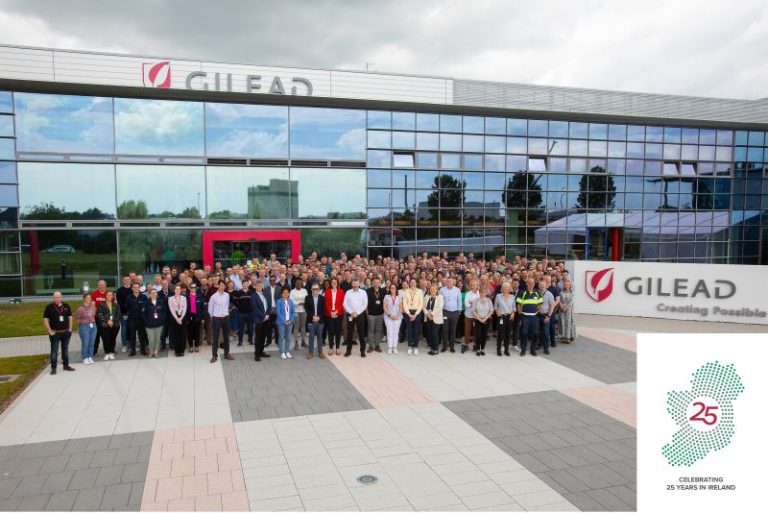
Therefore, externally sourcing new drug candidates is essential to boost business growth. Prior to this agreement, the company had announced a $350 million deal to acquire a technology capable of genetically modifying immune cells inside the body.

Novel Immunotherapy Regimen Approved for Early-Stage Gastric Cancer

0

The U.S. Food and Drug Administration (FDA) has granted approval for the use of Durvalumab (an immunotherapy) in combination with standard-of-care FLOT chemotherapy (fluorouracil, leucovorin, oxaliplatin, and docetaxel) for treating adult patients with resectable, early-stage and locally advanced (Stages II, III, IVA) gastric and gastroesophageal junction (GEJ) cancers.

This regimen represents the first immunotherapy approach approved for resectable gastric and GEJ cancers, marking a major breakthrough in the treatment of these diseases, which had seen no significant advancements in approximately two decades.

The approved treatment regimen is administered perioperatively, meaning it spans before and after surgery, and includes:

  • Neoadjuvant Therapy (Pre-surgery): Durvalumab combined with chemotherapy.

  • Adjuvant Therapy (Post-surgery): Durvalumab combined with chemotherapy, followed by Durvalumab as monotherapy.

Data Basis from Phase III MATTERHORN Trial:

The approval is founded on positive data from the Phase III clinical trial, MATTERHORN. Final analysis results regarding overall survival (OS) demonstrated a statistically significant and clinically meaningful benefit compared to chemotherapy alone:

  • Risk Reduction: The Durvalumab plus FLOT perioperative regimen reduced the risk of death by 22% compared to chemotherapy alone (HR 0.78).

  • Estimated Survival: At the three-year mark, estimated survival was 69% for the Durvalumab-based regimen, versus 62% for the FLOT-only group.

  • New Standard of Care: This survival benefit was observed regardless of the tumor’s PD-L1 status, establishing a new standard of care in this curative-intent setting.

Researchers and company executives emphasized that this perioperative approach (adding immunotherapy before and after surgery, followed by immunotherapy maintenance) constitutes a meaningful change, given the historically poor prognosis where about three out of four patients typically relapsed within the first two years. This approval opens an entirely new chapter in the management of early-stage disease.

Source: https://www.pharmexec.com/view/fda-approves-imfinzi-plus-flot-early-locally-advanced-gastric-gej-cancers